

This article was first published on Deythere.
In 2026; Bitcoin (BTC) is still a top crypto asset, trading at around $60 after a high of $126K in late 2025.
Investors can now buy Bitcoin via exchange; brokers, apps, or even ATMs. Each method requires ID verification and carries fees (bank transfers are cheapest; cards are costly).
Big financial firms are now also offering access to crypto; a good example is Charles Schwab which just launched “Schwab Crypto” for direct BTC trading). As a beginner or an institutional investor, one might ask: How to buy Bitcoin (BTC)?
Choose How to Buy Bitcoin
The most popular way to buy Bitcoin is through a crypto exchange, where you can swap your USD (or other currencies) for BTC. You sign up for an account; go through the identity verification, deposit funds, and place a buy order. Exchanges like Coinbase and Kraken (if you live in the U.S.) or Binance, OKX, and KuCoin are open for business 24/7 for global users.
According to a review in Money.com, Kraken has low fees (as low as 0.00% maker fee if you’re using Kraken Pro); and also top notch security, while Coinbase is user-friendly (the only downside being that instant buys cost around 2% in fees).
You can even use PayPal or other finance apps to buy Bitcoin, but typically at higher spread costs. Another option is to go through stock brokers or buy into an ETF e.g. a Schwab account can soon trade a spot BTC ETF, but note ETFs only give price exposure (you won’t get spendable BTC).
There is also the option to go peer-to-peer (P2P) and buy Bitcoin using cash or bank transfers via platforms like LocalBitcoins or Paxful, or to use a Bitcoin ATM (which is easy but often comes with fees of 7-20%). Each of these options has its pros and cons: exchanges give users all the control needed but require ID verification and a few extra steps, while cash methods may compromise privacy or have high costs.
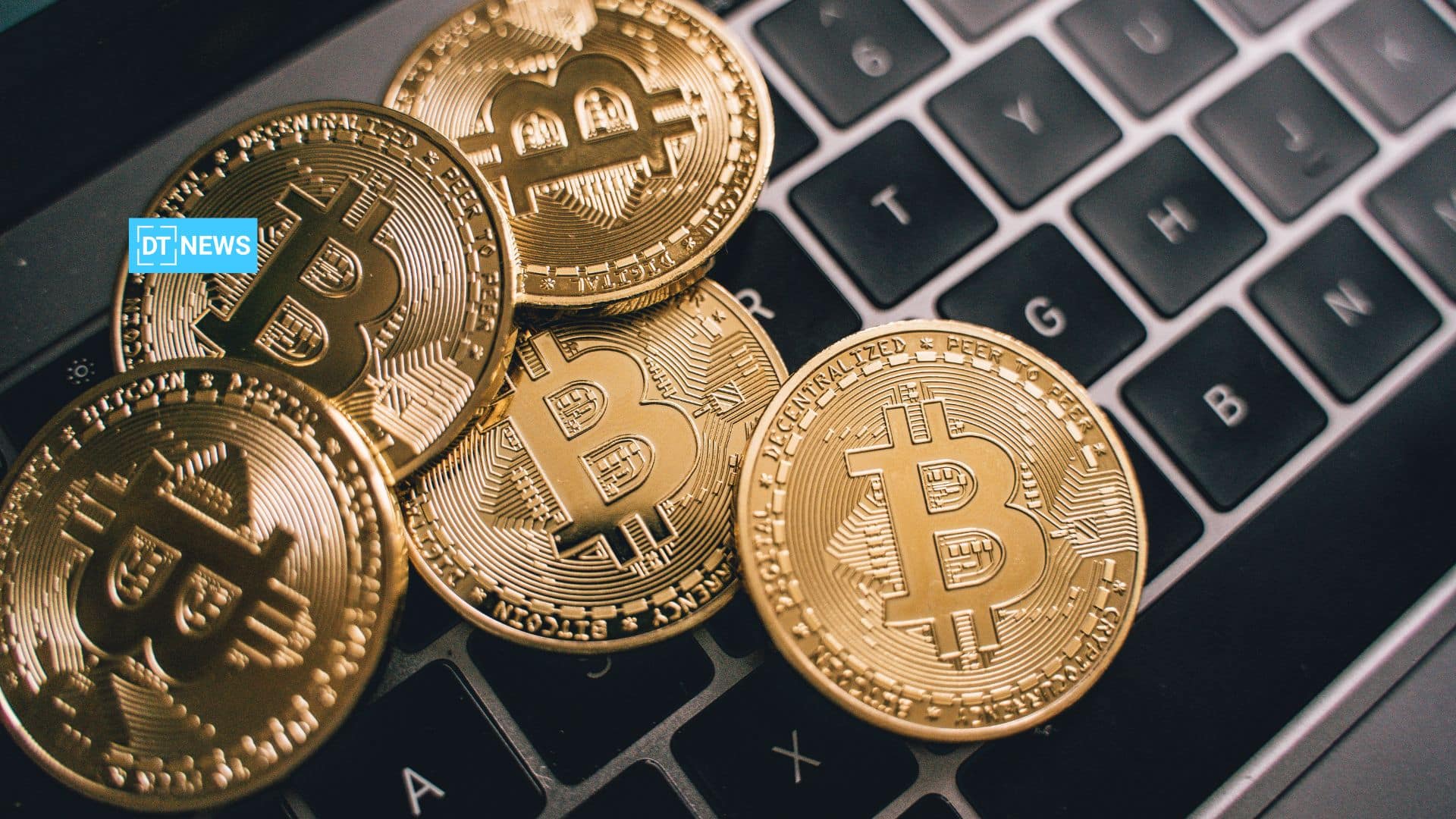
Getting Started with a Crypto Exchange
Step 1: Choose an exchange you can trust. For beginners, the top options are still Coinbase (USA) and Kraken (USA and Europe), both of which let users deposit fiat. Binance (Binance.US in the US) and Crypto.com are the go-to choices globally.
Ensure the exchange you pick is available in your country and accepts the currency you want to use. Do your research and pick an exchange with top-notch security (like cold storage and 2 factor authentication) and good reviews. According to reports, Kraken, for instance, has never been hacked and holds 95% of its assets offline, while Coinbase has FDIC insured accounts and crime insurance.
Step 2: Set up and verify your account. Most exchanges will want an email and a password as well as some ID documents like a drivers license or passport so they can do their KYC (Know Your Customer). Due to global AML rules in 2026, most regulated platforms are required to do AML checks. Upload your documents, fill in your information , and wait for approval (usually minutes to days). Once that is done, enable security features like two-factor authentication.
Step 3: Fund your account. Most exchanges support various options for depositing funds such as bank transfers, credit/debit cards, or other digital payment rails.
Bank transfers are generally the cheapest (0%-1% but take 1-5 business days to clear), however, credit/debit cards are instant (though they can cost a bit more, typically 2%-5%). Coinbase charges 3.99% for debit card buys. Some exchanges let users use PayPal, which can be helpful but may come with extra fees so make sure you check. P2P exchanges let you pay in cash, gift cards or other methods, but exercise caution: use escrow and meet in person for cash deals.
A word of caution: Always double check the final rate before making a purchase, including the fees. This is the exchange fee + spread + any payment processing fees. Some exchanges will charge a maker or taker fee (0.25%-0.40% per trade). Also note the exchange spread (the difference between buy and sell prices) can add cost, especially with instant-buy features.
Step 4: Buy Bitcoin. Once your account is funded, go to the exchanges ‘Buy/Sell’ or ‘Trade’ page and enter the amount of USD (or your fiat) you want to spend on Bitcoin, or the amount of Bitcoin you want to buy. You can use a market order (which buys at the current price) or a limit order (set a price, the order will go through if it gets hit).
For new users, a market order is simplest. Check all your details, then confirm and the Bitcoin will turn up in your exchange wallet once it is all done. Review the transaction: note the exact BTC received and total fees charged on your order receipt.
Step 5: Withdraw (optional but recommended). If you really want to have full control over your Bitcoin, then transfer it to a personal wallet. While a lot of people keep their coins on an exchange, storing them in a custodial wallet means you don’t really own the private keys.
Buy Bitcoin only if you plan to either spend it or securely store it. A hardware wallet (cold wallet) is safest. If you set one up, get your wallet’s Bitcoin address and withdraw the BTC from the exchange to your wallet. Remember network fees apply (these go to miners, not the exchange). Always test with a small withdrawal first.
Using a Broker or Crypto-Backed App
An alternative for convenience is to buy Bitcoin through a stock broker or integrated finance app:
Brokerages/Financial Apps: Many brokers now offer crypto trading. For example, Fidelity, Schwab and eToro allow Bitcoin trading within their apps. Schwab’s new platform will charge 0.75% per trade. These use fiat accounts and are regulated, so they may require only your brokerage credentials (ID is usually already on file).
However, withdrawals of actual Bitcoin are often not allowed; you’ll own a crypto-backed position or ETF instead. Use these if you just want price exposure inside a retirement or brokerage account. A Wall Street expert notes spot BTC ETFs are great for IRAs but cannot replace owning BTC itself.
Payment Apps (P2P, Crypto Tab): Apps like PayPal, Cash App, Robinhood or Revolut let users buy small amounts of Bitcoin easily via their existing account. Fees vary: Cash App has a spread around 1% and a 2.75% fee on credit card purchases.
Such apps are good for quick buys but often have higher costs and sometimes limit withdrawals to exchanges. If using them, enable all security features (PIN, biometrics) and treat your balance like holding a stock.
Choosing Payment Methods and Understanding Fees
Here’s a quick overview of common payment methods:
| Payment Method | Typical Fee | Speed | Platforms & Notes |
| Bank transfer (ACH, SEPA) | 0%-1% | 1-5 days | Cheapest. Coinbase, Kraken, Binance, Kraken, others. Widely available. |
| Credit/Debit Card | 2%-5% | Instant | Instant but costly. Example: Coinbase 3.99%. |
| PayPal/Other e-Wallets | 1%-4% | Instant | Available on Coinbase & some apps, fee plus exchange fee. |
| Crypto (stablecoin) | 0.1%-0.5% | Minutes | On-chain swap: Convert USDt o USDT then trade for BTC on DEX/CEX. Requires a crypto wallet. |
| Bitcoin ATM | 7%-20% | Immediate | Physical kiosks (Verif ID often required above limits). Very high fees. |
| P2P (cash/gift card) | Varies | 24h+ | LocalBitcoins, Paxful, etc. Use escrow. Can be cheap or free, but risk of scams. |
Users should be aware that there can be a catch in the markup on price; that is, instant-buy fees hiding in various fees and charges. Always double-check if an exchange or app shows a spread or commission on top of the quoted rate. If you can, use a regular spot trade after funding via bank, this is usually the cheapest way to buy Bitcoin.
KYC and Limits – A Reality of the Digital Age
As of 2026, it is almost guaranteed that every regulated platform enforces KYC. For example, Coinbase and Binance.US require government IDs and AML screening because it’s the law. Unverified accounts may have low daily limits (around $1,000) and withdrawal caps. Even those ‘no-KYC’ exchanges like MEXC or Bybit still impose tiered limits and often block U.S./EU users. The main point is that if you want higher purchase limits or fiat bank transactions, be prepared to verify your identity.
- Documents you’ll need: A passport or driver’s license and proof of address.
- Why KYC: Anti-money laundering (AML) laws and travel rules globally mean exchanges have to report any large transfers.
No matter which platform you choose, never try to get around or bypass KYC by lying. That often gets accounts frozen. If you are concerned about your privacy, you might want to consider peer-to-peer or decentralized swaps (but only for advanced users who also need to be aware of taxation rules). For beginners, plan to provide ID and a selfie check.
Expert Tips for Buying Bitcoin
A word of warning from a crypto fraud investigator, Jamal Walker: “Real support will not request your recovery words. Keep all communication inside the platform app”. What this means is use only the official channels when buying. Scammers are notorious for targeting new buyers with fake apps or help desks.
Main takeaways:
Stick with reputable platforms. Go with well-known exchanges or brokers that publish proof-of-reserves and insurance coverage.
Make security your priority. Always turn on two-factor authentication and if available, allowlist withdrawal addresses. For instance, Schwab, for instance, emphasizes “low, transparent pricing; brand familiarity; and asset security” as users’ top concerns.
Beware of FOMO. Bitcoin’s price can swing wildly. Do not treat Bitcoin as a guaranteed way to make a fast profit. If the market is volatile, consider buying in small increments (“dollar-cost averaging”) rather than trying to buy it all at once.
Conclusion
Knowing how to buy Bitcoin in 2026 is all about choosing the right on-ramp, understanding fees, and following regulations. The most straightforward method is still using a crypto exchange where users can create an account, verify their identity, deposit funds, and place a buy order. Payment options range from bank transfers (low fee, slow) to debit cards (fast, but a higher fee).
Most importantly, stay secure. Follow expert advice on keeping your coins safe, never share your private keys or seed phrase and consider moving bought BTC into a personal wallet.
Glossary
Bitcoin (BTC): The original and most famous cryptocurrency. It is a decentralized digital currency created back in 2009 that lets you send value from one person to another without needing any middlemen.
Crypto Exchange: Online platforms (like Coinbase or Kraken) where you can buy, sell or trade cryptocurrencies using fiat money or other coins.
Fiat Currency: Government-issued cash – USD, EUR, GBP, etc.
Private Key / Wallet: A secret code that lets you control your Bitcoin.
Spot Bitcoin ETF: A fund traded like a stock that holds Bitcoin in reserve.
Frequently Asked Questions About How to Buy Bitcoin
What do I need to buy Bitcoin?
You’re going to need an account with a platform (be it an exchange or a broker), government ID for the KYC checks and some fiat ( USD, EUR, etc.) on hand.
Which payment method has the lowest fees?
Bank transfers (ACH in the U.S., SEPA in Europe) tend to be the cheapest, usually under 0.5% total but it’ll take a few days. Meanwhile, paying by debit/credit card is the fastest but comes with fees of 2-5%. Always compare fees and speed before you buy.
Do I have to withdraw Bitcoin to my own wallet?
No but it is definitely the safer option. Exchanges provide a level of security but they can be hacked or they can restrict withdrawals. If you want to have full control over your coins, withdraw them to a private wallet (hardware wallets are the most secure). If you do decide to leave BTC on an exchange, make sure it is a reputable one and consider setting up two-factor security and whitelisting withdrawal addresses.
Can I buy tiny fractions of Bitcoin?
Yes, exchanges let investors buy as little as a few dollars worth of BTC. There’s no minimum requirement for buying a whole coin.
References
Disclaimer: This article is for informational purposes only and does not constitute financial advice. Bitcoin and cryptocurrency investments carry risk. Always do your own research and consider consulting a financial advisor before making investment decisions.