


This article was first published on Deythere.
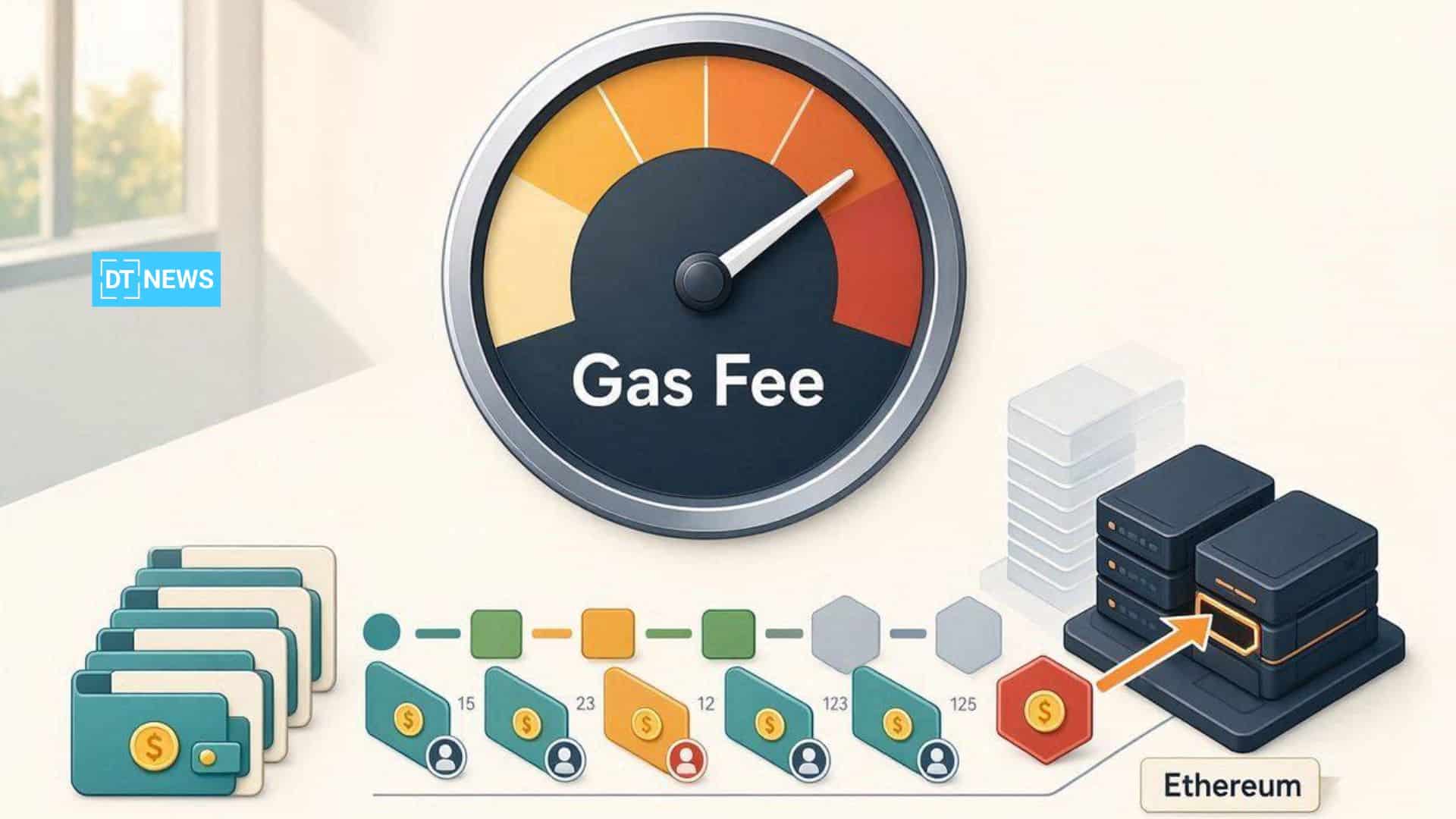
Gas fees are small payments in crypto required to process blockchain transactions. They pay for computation, secure the network, and prioritize transactions. Users bid higher fees for faster processing. Recent upgrades have driven Ethereum gas fees to near-zero (medians under $0.02).
How are these gas fees are calculated, why do they fluctuate with demand, and how do different blockchains manage transaction priority?
Gas Fees Explained
Every blockchain transaction requires a small payment called a gas fee also known as a transaction fee. In simple terms, a gas fee is the cost paid in the network’s native token (like ETH on Ethereum) to execute an operation.
This concept is most prominent on Ethereum, where gas measures computational work on the EVM. Ethereum’s official docs explain that a gas fee equals “the amount of gas used to do some operation, multiplied by the cost per unit gas”.
In other words, complex actions like smart-contract interactions consume more gas than simple transfers, and users pay accordingly.
Gas fees serve several key purposes:
- Network Security and Spam Prevention: Charging a fee for every operation deters malicious or frivolous transactions. Gas fees help keep the network secure by requiring a fee for every computation, preventing bad actors from spamming.
- Validator/Producer Incentives: In proof-of-work or proof-of-stake systems, miners/validators earn gas fees for processing blocks. These fees reward participants for using computing resources.
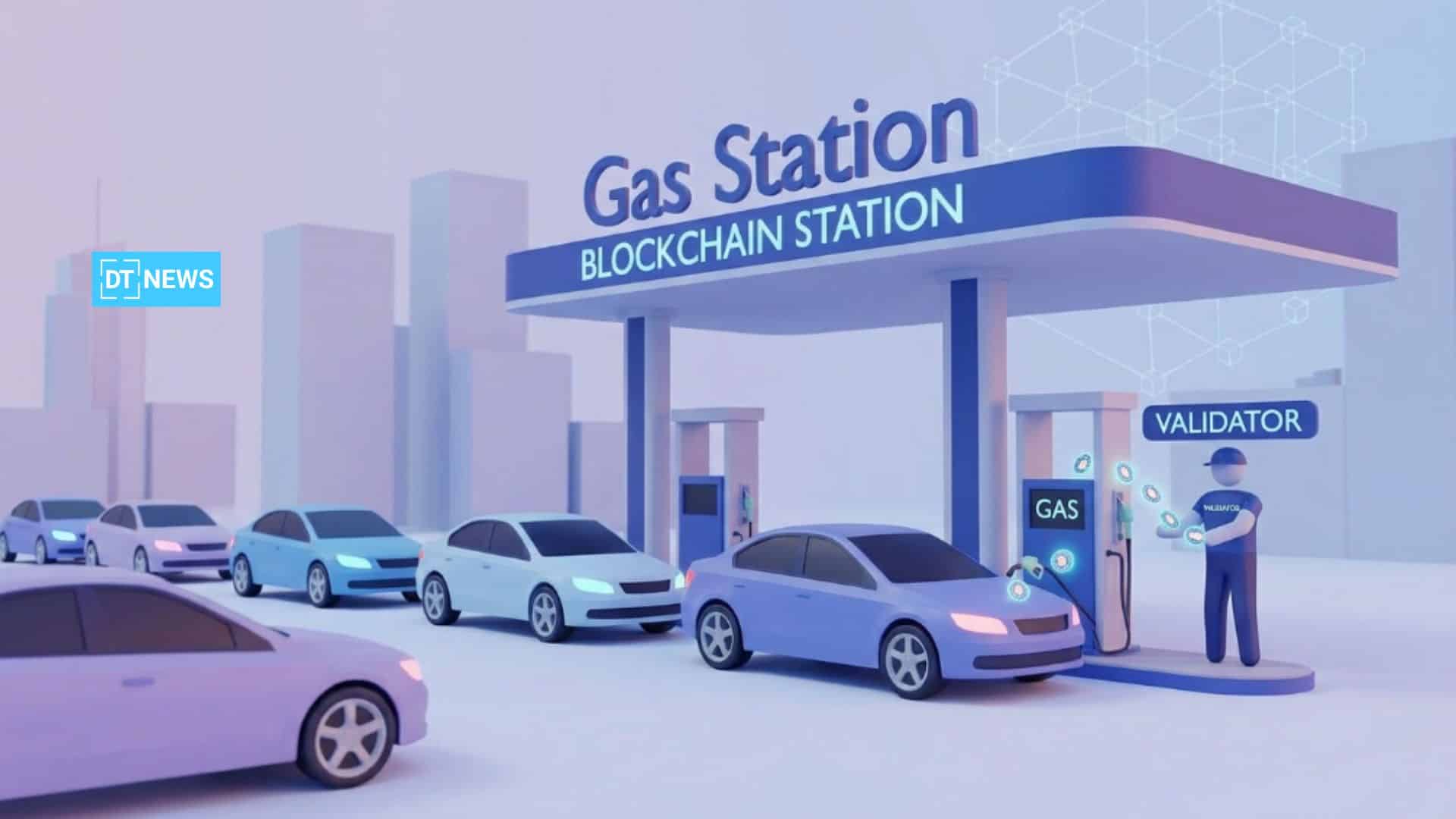
- Transaction Prioritization: Perhaps most importantly, gas fees enable a market-based priority system. When demand spikes, users pay higher fees (or “tips”) to jump the queue. Network documentation and analysts describe gas as a bidding mechanism.
For example, Coinbase Institute notes that “users bid for space in the next block by attaching a fee, and validators prioritize transactions based on these fees”. Hence, setting a higher fee makes it more likely to include your transaction first.
In essence, gas fees are not arbitrary charges but integral to how blockchains allocate scarce block space. They align incentives: by paying more in fees, users can get faster service, and by earning fees, validators stay motivated to secure the chain.
Gas fees “create a market-based system where urgent or high-value transactions can be processed quickly.
How Gas Fees Are Calculated
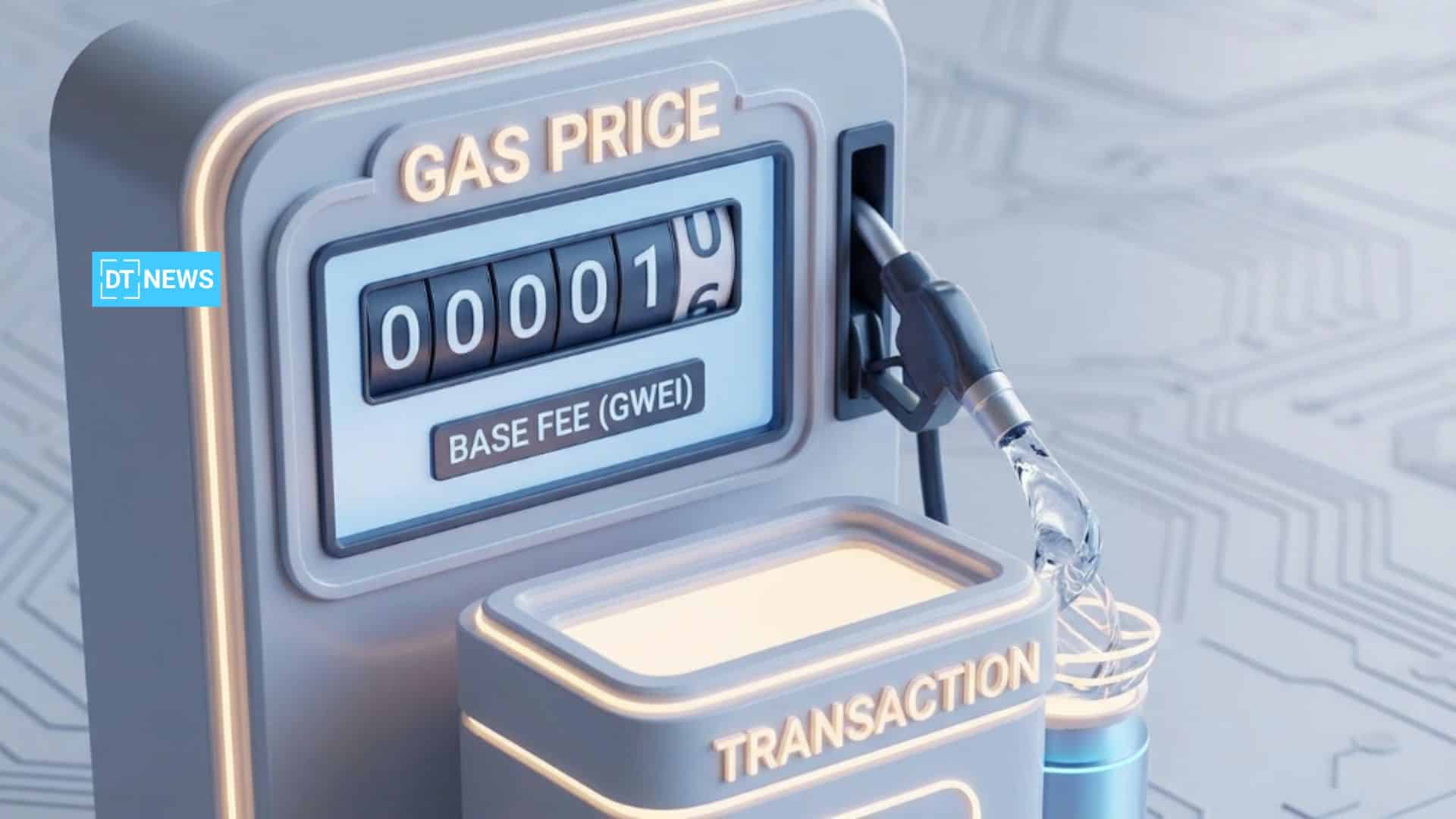
On many blockchains (notably Ethereum), gas fees consist of two parts: a base fee set by the protocol of each block and an optional priority tip (set by the user). This model ensures predictable, fairness-oriented pricing.
The base fee is burned (removed from supply) and adjusts dynamically with congestion. The priority fee (or miner tip) goes to the validator/miner as an extra reward.
Users choose how much to tip. By bidding a higher tip (gas price), they effectively pay miners more to include their transaction sooner. Wallets often suggest a reasonable tip, but savvy users can manually raise it for speed.
The actual fee paid = gas used × (base fee + priority fee). For example, if a transaction uses 30,000 gas and the base fee is 20 gwei with a 5 gwei tip, the total fee is 30,000 × 25 gwei. All blocks (post-1559) burn the base portion and give the priority tips to validators.
Therefore, gas fees fluctuate with demand. When many users compete for block space, the base fee rises sharply. During hot demand events like NFT drops, token launches, volatile markets, fees can spike as users outbid each other. Conversely, in quieter periods fees drop.
Ethereum data bear this out. After a turbulent 2021-2024 era of high fees, recent protocol upgrades (Dencun, Pectra, etc.) expanded capacity. As a result, Ethereum’s median fee per transaction plunged from over $2 in early 2024 to under $0.02 by early 2026.
This near-zero cost is contrary to prior years. Blockchain analysts note that today “Ethereum mainnet transaction costs declined from peaks above $0.50 in early 2025 to near-zero levels by February 2026”. This simply means an average Ethereum transaction in mid-2026 often costs only a few cents or less.
Transaction Prioritization on Ethereum and Beyond
Because blockchain blockspace is limited, most networks use fee auctions to decide which transactions to include first. In essence, higher-fee transactions are prioritized. This applies to Ethereum, Bitcoin, and many L1 chains, though specific mechanics vary.
Ethereum (Proof-of-Stake):
Validators choose the highest-paying transactions. Each user’s transaction includes a max priority fee (tip) they’re willing to offer per gas unit. Miners are incentivized to include the transactions with the largest tips first.
During periods of high network traffic, gas fees act as a market-driven mechanism for prioritizing transactions. Users can set higher gas fees to ensure their transactions are processed quickly. In short, Ethereum’s fee-market means high-tipped transactions “jump the queue.”
Bitcoin (Proof-of-Work):
Miners similarly select transactions with higher satoshis per byte fee. During congestion, users raise fees to avoid delays. (Note: Bitcoin fees are much lower in 2026 due to batching and second-layer solutions, but the prioritization concept still holds.)
Binance Smart Chain (BNB Chain):
An EVM-compatible chain, BNB also uses gas and tips. As Binance reported, average BNB gas prices were around 1 gwei ($0.013) in mid-2026, with “fast” transactions (higher priority) around 1.5 gwei ($0.019). CEO Changpeng Zhao even proposed cutting these low fees further by 3-10×.
However, he cautioned that totally eliminating fees would invite “lots of spam, and also affect validators”. He believes the principle that some fee is needed to prevent abuse.
Solana:
Solana uses a different model. Fees are fixed and extremely low. Every transaction has a base fee of 5,000 lamports (0.000005 SOL), roughly $0.0005 at $100/SOL. During demand spikes, users can add a small priority fee usually staying under $0.01 to get faster processing.
Thus, Solana keeps fees predictably minuscule regardless of traffic. Unlike auction-based fees, Solana’s fees remain stable regardless of network activity. Users do have an option to pay more for faster service, but it’s rarely needed for normal load.
Layer-2 Rollups:
Ethereum’s Layer-2 networks (Arbitrum, Optimism, etc.) also have their own fee markets. Since they post data to Ethereum, their users pay two layers of fees (L2 plus an L1 data fee). However, upgrades like EIP-4844 (blobs) have cut L2 fees by lowering data costs. Recent studies find L2 median fees around $0.0015-over 99% below 2024 levels.
In summary, transaction prioritization is always governed by fees in reality. This market ensures that limited block space is allocated efficiently, while also rewarding those who secure and maintain the network.
When demand is high, traders may deliberately overpay to guarantee inclusion; when demand is low, even a minimal tip gets one through. The main idea is that higher fees buy higher priority across all major chains.
Recent Trends and Upgrades
Blockchain fee markets have evolved rapidly. Major upgrades have really altered gas fee dynamics, especially on Ethereum:
- EIP-4844 (“Proto-danksharding”) introduced “blobs” in March 2024, cutting layer-2 data fees. This made L2 transactions (like NFTs and DeFi ops) extremely cheap, often only a few cents.
- Block Gas Limit Increases: Ethereum validators raised the gas limit (block size) from 30M to 60M in late 2025. More recently, there’s talk of 100M or higher. Each 10M increase adds 3.5 TPS (transactions per second). More throughput means fewer congestion spikes.
- Consensus Improvements: Ethereum’s move to proof-of-stake and tweaks (Pectra, Fusaka upgrades) improved performance, further driving fees down.
The net effect? According to on-chain data, Ethereum’s mainnet is now “busier and cheaper.” Daily transactions hit all-time highs (2.88M in January 2026) even as fees fell.
A recent analysis also states Ethereum mainnet transaction costs declined from peaks above $0.50 in early 2025 to near-zero levels by February 2026, showing sustained low fee pressure.. Put simply, what used to cost dollars now often costs pennies or less.
Other chains also see shifting fees:
- Avalanche C-Chain (EVM): With Snowman consensus, Avalanche boasts about 2-second finality. A standard token transfer costs only a few cents. For example, moving USDT on Avalanche (65k gas) typically costs $0.01-$0.05. Even during spikes, fees rarely exceed $0.30.
- Polygon PoS: Often on par with Avalanche, about $0.01 per transaction (quick confirmations, with final Ethereum checkpoint in tens of minutes).
- Tron: Energy-staked accounts enjoy very low fees (<$0.20), but many transactions (without staking) run $1-$3. (Tron relies on a different model but still uses bidding during congestion.)
- Bitcoin: Legacy Bitcoin fees spiked in past cycles but have been moderate recently due to off-chain scaling (Lightning). Bitcoin typically charges a few dollars per transaction in 2026, though this varies widely with mempool load.
The following table summarizes typical fees and timings as of mid-2026:
| Blockchain | Avg. Fee (USD) | Finality Time | Notes |
| Ethereum L1 | $0.02 (median) | 12 sec per block | Post-upgrades, base fees are very low; occasional spikes with high demand. |
| Arbitrum (L2) | $0.002 (median) | 1-2 sec (L1 commit) | Optimistic rollup; fees 99%+ lower than L1 after blobs. |
| Polygon PoS | $0.01 | 2 sec (soft) | Fast, cheap; 4 min for Ethereum checkpoint. |
| Avalanche | $0.03 | 1-2 sec (final) | EVM-compatible; fees 1-5 cents (few sec finality). |
| Solana | $0.0005 | 0.5-1 sec | Fixed base fee; optional priority fees (≪$0.01). |
| BNB SmartChain | $0.013 | 3 sec | EVM chain; average 1 Gwei ($0.01), high priority ~1.5 Gwei. |
| Tron | $0.20-$3 | 3 sec | Very low for energy-staked accounts; otherwise ~$1+. |
| Bitcoin | $1-$5 (varies) | 10 min per block | Legacy UTXO chain; fee prioritization by sat/vB (was $20 in 2021). |
Expert Insights and Analysis
Ethereum’s co-founder Vitalik Buterin observed that the dropping fee regime changes earlier assumptions. With mainnet much busier and cheaper, he argued that many Layer-2 rollups might lose their purpose if L1 stays inexpensive.
In other words, when Ethereum base fees drop so low, the original rationale for switching to L2 (to avoid high fees) is weaker.
Industry leaders likewise emphasize balance. Binance CEO Changpeng Zhao (CZ) noted that reducing fees must be done carefully. In early 2026, he proposed slashing BNB Chain fees by 3-10× (to under $0.01), but cautioned that completely eliminating fees would spur “lots of spam” and undermine validator incentives.
Similarly, Tron’s Justin Sun advocated lower fees to boost activity, but all experts agree that zero fees invite abuse.
Academic research also confirms this. A Rutgers University study found Ethereum’s upgrades (blobs, bigger blocks) doubled throughput and drove down median fees seriously.
They forecast is that by late 2026, Ethereum fees could rival even Solana’s, while TPS still trails top chains.
Overall, the consensus among analysts is that gas fees will likely remain low in the near term, barring extraordinary demand. However, fees can still spike briefly (e.g. during popular token launches or network-wide events). The Fee market remains active.
Innovative ideas like on-chain gas futures (proposed by Vitalik) are even being explored to let large users hedge against volatility.
How to Minimize Gas Costs
With fees so low, cost is less of a concern than in past cycles. But savvy users still time or route transactions to save a few cents:
- Time Transactions: Even minor demand fluctuations can change the Ethereum base fee. Waiting for off-peak hours (e.g. weekends, late nights) can shave gas costs. Many explorers (Etherscan, etc.) now show live fee charts.
- Use Layer-2 Networks: For Ethereum-based activity, consider a layer-2 rollup. Fees on Arbitrum, Optimism or ZK rollups are typically hundreds of times cheaper than L1.
- Select the Right Chain: Blockchains like Solana or Avalanche have ultra-low fees for simple transfers.
- Batch Operations: When possible, bundle multiple actions (e.g. multi-transfer) into one transaction to save on per-tx overhead.
- Monitor Fee Tools: Gas trackers (e.g. Cryptoneur, GasNow, or wallet-recommended values) can help pick a reasonable tip. Some wallets offer “slow/normal/fast” presets.
Despite best efforts, remember that transaction priority depends on fee, so never set an unreasonably low tip if you need a quick confirmation.
Conclusion
Gas fees in major blockchains have reached really low levels by mid-2026, due to protocol upgrades and scaling solutions. Ethereum’s average gas price is now nearly zero, L2 rollups charge mere fractions of a cent, and high-throughput chains like Solana keep fees stable around $0.0005.
Transaction prioritization remains governed by these fees. Users pay higher tips to ensure faster inclusion. Gas fees now usually show network demand instead of crippling costs. However, gas fees still serve as the economic gatekeeper deterring spam and aligning incentives even as systems evolve.
Based on latest data and expert analysis, this “cheap gas” regime will continue, but savvy users should still understand how fees and tips work to optimize their transactions.
Glossary
Gas: A unit measuring computational work on blockchains (especially Ethereum). Each operation consumes a specific amount of gas.
Gas Limit: The maximum gas a user is willing to allow for their transaction.
Base Fee: In Ethereum’s current model, each block has a base fee per gas unit, adjusted by protocol based on network demand.
Priority Fee (Tip): An extra fee added by the user on top of the base fee, paid to the block producer.
Mempool: The set of pending transactions waiting to be included in a block. Miners/validators choose transactions from the mempool, usually selecting those with the highest fees first.
Frequently Asked Questions About Gas Fees
Why do gas fees change?
Gas fees fluctuate with demand. If many users compete for limited block space, the base fee rises, and users must bid higher to get in. Conversely, during low traffic, fees drop. This supply-demand effect is inherent to fee-market mechanisms.
How does transaction prioritization work?
Transactions offering higher fees (or tips) are picked first by miners/validators. Ethereum’s model lets users add a priority fee (tip) on top of the base fee; higher tips earn faster inclusion.
What’s a priority fee (tip) in Ethereum?
After EIP-1559, every Ethereum transaction has a base fee (set by protocol) and an optional priority fee. The priority fee is a small tip to validators.
Can I avoid gas fees?
Not entirely. Gas fees are necessary to use blockchains. You can minimize them (e.g. by using Layer-2 networks or timing your transactions), but each transaction still requires some fee. Those fees secure the network and prevent spam.
References
Disclaimer: This article is for informational purposes only and does not constitute financial or investment advice.