

Crypto market panic has returned with force as traders face one of the weakest sentiment phases of the year. The latest Fear and Greed reading has dropped into extreme fear territory, showing how quickly confidence can drain from digital assets when price declines, leverage, and macro pressure arrive at the same time. Bitcoin has held up better than many smaller tokens, yet the wider market still looks nervous, with forced liquidations adding fuel to an already fragile setup.
Crypto Market Panic Deepens Across Major Assets
Crypto market panic is not only about falling prices. It is about behavior. When traders rush to cut exposure, leveraged positions unwind, and buyers step back, price action can become sharper than the actual news behind it.
That pattern is now visible across the market as more than $600 million in crypto positions were liquidated in a 24-hour period, showing how heavily traders had leaned into directional bets. Most liquidations came from long positions, which means many traders expected a rebound and were caught on the wrong side when prices moved lower.
Liquidations matter because they are not normal selling as they are forced exits. When exchanges close leveraged positions, they often push prices further in the same direction. That creates a chain reaction, especially in thin liquidity conditions.
Fear Index Shows Traders Are Playing Defense
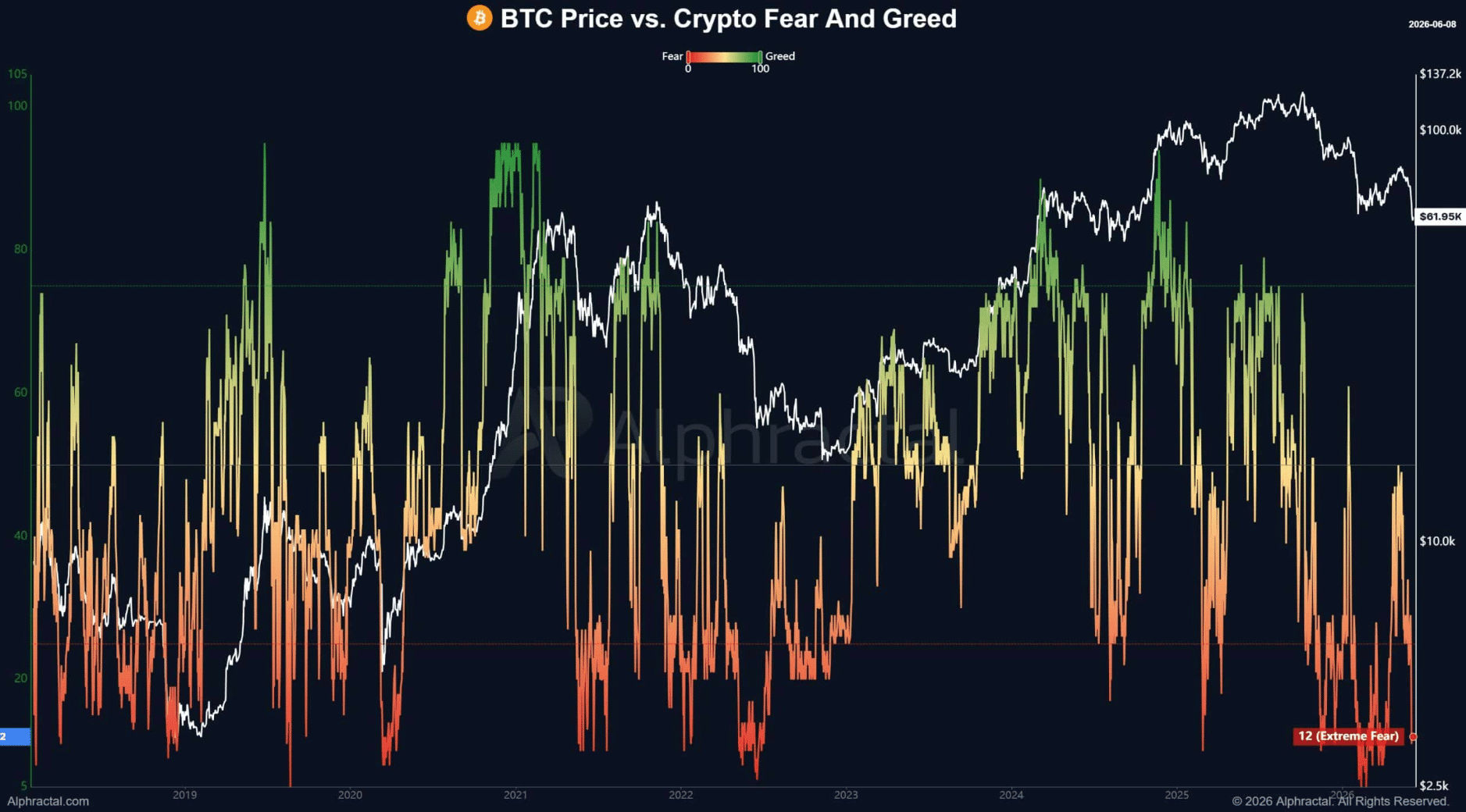
Crypto market panic also appears clearly in sentiment data as the Fear and Greed Index measures market mood on a scale from 0 to 100. A low score signals extreme fear, while a high score points to extreme greed. In plain English, this index tries to show whether traders are acting with confidence or fear.
Extreme fear does not always mean prices will keep falling. Sometimes it appears near local bottoms because sellers become exhausted. Still, it is not a clean buy signal. In weak markets, fear can stay low for days or weeks, especially when traders lack a strong reason to return.
Bitcoin’s slightly stronger sentiment compared with the wider market suggests large-cap crypto still has some defensive value. That said, altcoins remain more exposed because they usually depend on stronger risk appetite and deeper liquidity.
Liquidations Turn Weakness Into A Faster Sell-Off
Crypto market panic often becomes more dangerous when leverage is high. Leverage allows traders to control larger positions with less capital, but it also increases the risk of forced liquidation when prices move against them.
This is why liquidation data is one of the most important crypto indicators during market stress. A high liquidation number shows that positioning was crowded. If most liquidations are long positions, it means too many traders were betting on upside. If shorts dominate, it may signal a squeeze higher.
In the latest move, long liquidations carried most of the damage, suggesting the market was too hopeful too soon. That leaves Bitcoin and Ethereum facing a harder path because spot buyers now need to replace lost leveraged demand.
Macro Pressure Adds Another Layer
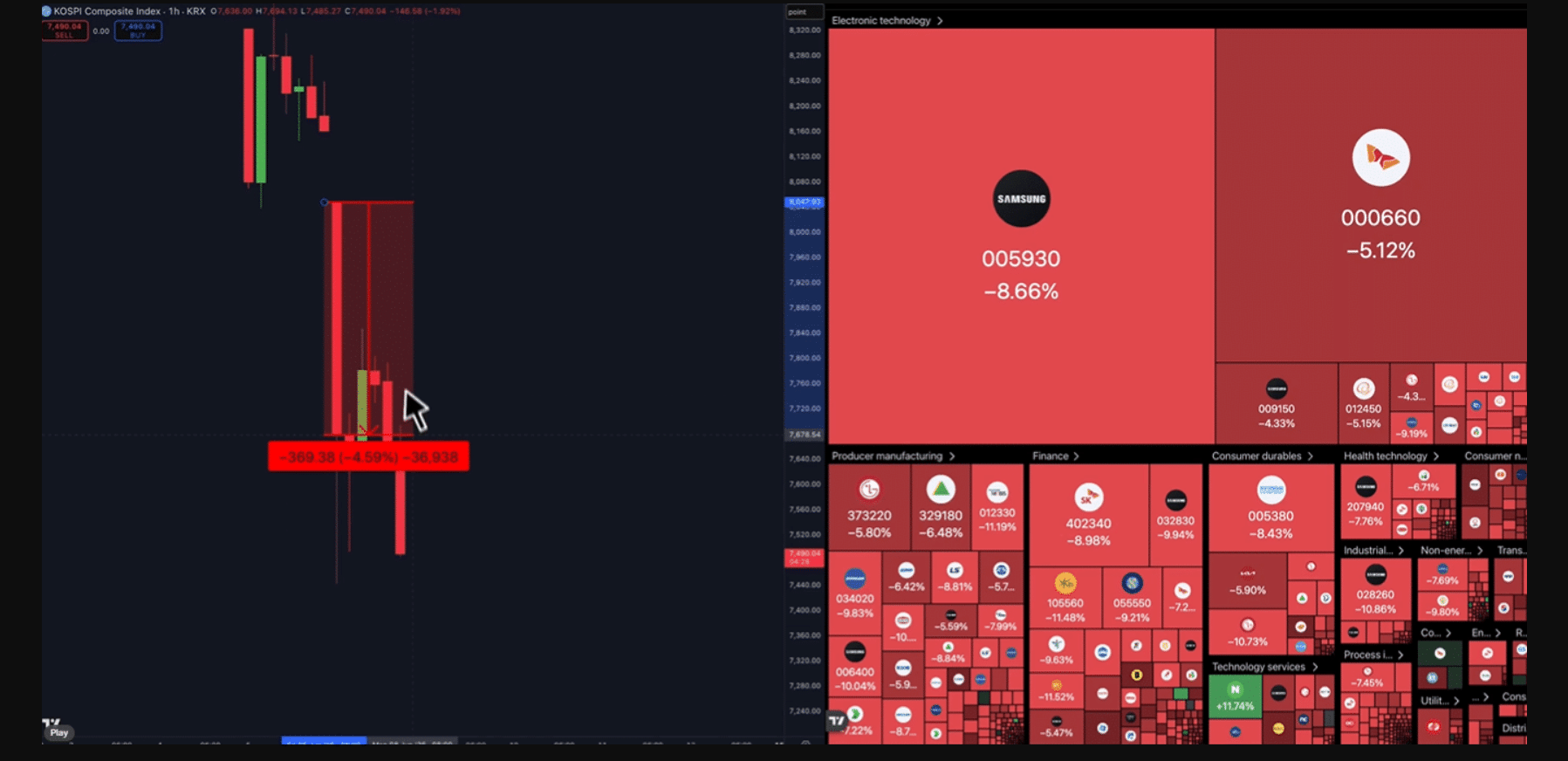
Crypto market panic did not form in isolation sa weakness in global equities, especially Asian markets, added pressure on digital assets. Crypto often trades like a high-risk asset when stocks fall sharply, even though long-term supporters view Bitcoin as an alternative monetary asset.
That split matters. In calm markets, Bitcoin can trade on adoption, ETF flows, supply trends, and network demand. In panic conditions, it often trades like technology shares with extra volatility. This is why traders are watching bond yields, stock indexes, liquidity, and the US dollar alongside crypto charts.
What Traders Should Watch Next
Crypto market panic will ease only if several signals improve together. The first is Bitcoin holding key support without another wave of forced selling. The second is falling liquidation volume, which would suggest leverage has cooled. The third is a recovery in the Fear and Greed Index from extreme fear toward neutral.
Trading volume also deserves attention as a rebound with weak volume may fail quickly, while a rebound with strong spot buying can show real demand. Open interest is another key metric. If open interest falls after liquidations, the market may be cleaner. If it rises too fast again, leverage risk can return.
Conclusion
Crypto market panic has pushed traders into a defensive mood, and the latest liquidation wave shows how fragile sentiment remains. Bitcoin may still act as the market’s anchor, but altcoins could struggle if liquidity stays weak and macro pressure continues. For now, the market needs patience more than hype. A stable recovery would require less leverage, stronger spot demand, and a clear improvement in investor confidence.
Frequently Asked Questions
What does extreme fear mean in crypto?
Extreme fear means traders are highly nervous and defensive. It can signal oversold conditions, but it does not guarantee a price rebound.
Why are liquidations important?
Liquidations show forced selling or buying from leveraged positions. Large liquidation waves can increase volatility and deepen market moves.
Can Bitcoin recover during crypto market panic?
Bitcoin can recover if support holds, leverage drops, and spot buyers return. Without those signals, rebounds may remain unstable.
Glossary Of Key Terms
Fear and Greed Index: A sentiment gauge that tracks whether crypto traders are fearful, neutral, or greedy.
Liquidation: A forced closure of a leveraged trade when losses cross the exchange’s margin limit.
Open Interest: The total value of active futures contracts that have not been settled.
Spot Demand: Real buying of crypto assets without leverage or futures contracts.
Sources
Disclaimer: This article is for informational purposes only and does not provide financial advice. Cryptocurrency markets are highly volatile, and readers should conduct independent research before making investment decisions.