

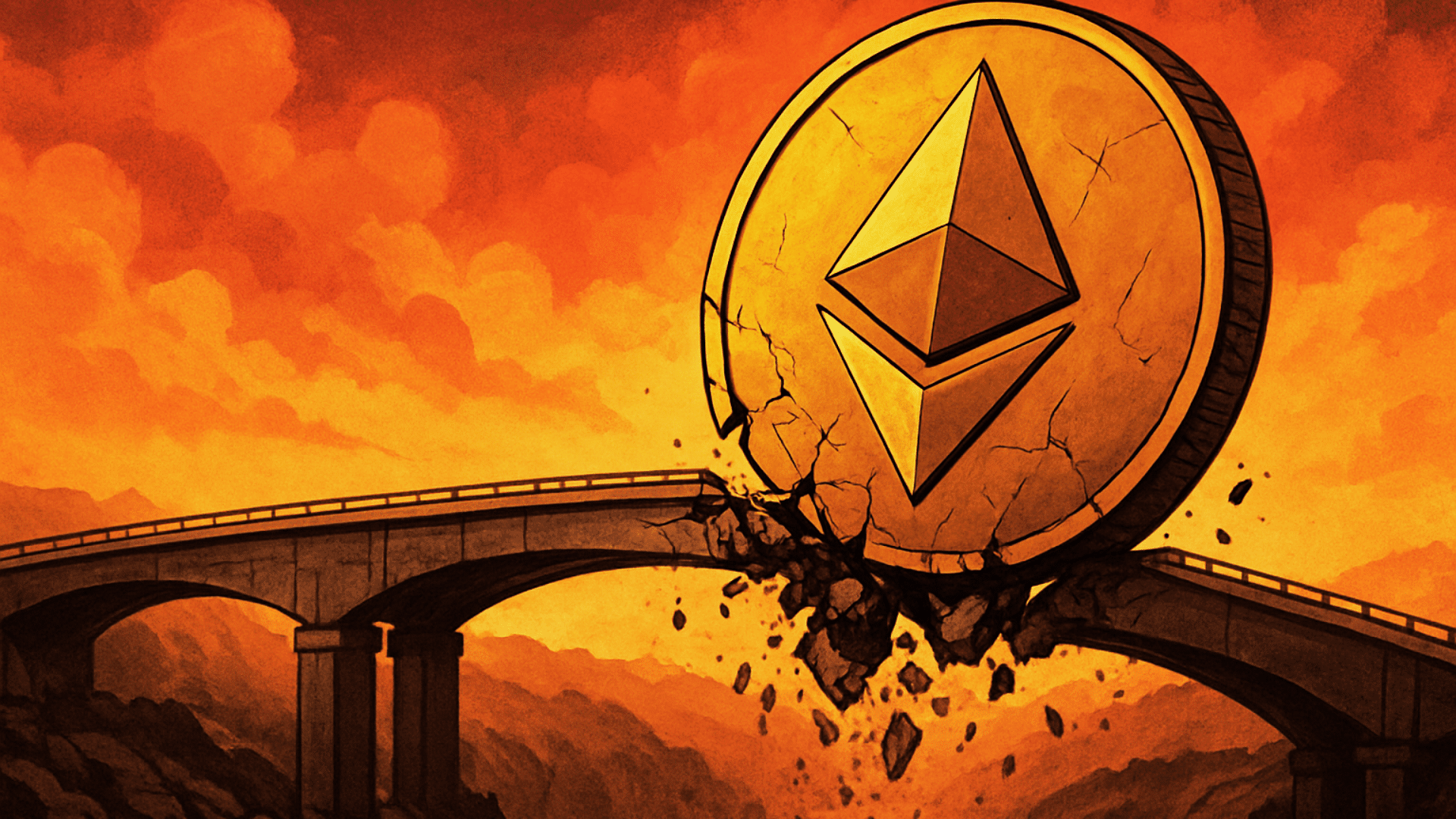
MegaETH has shut down MegaMafia, its 2-year startup program, after deciding that the initiative created successful companies but returned too little value to the network. The move ends plans for a third cohort and signals a new strategy centered on first-party products, stronger ecosystem control, and applications designed specifically for MegaETH.
MegaETH Accelerator Ends After $80 Million Funding Run
The MegaETH accelerator supported 20 teams across 2 cohorts and helped them raise more than $80 million through pre-seed, seed, and Series A rounds. That figure suggests the program succeeded at attracting capital, one of the clearest early indicators of investor confidence in young crypto ventures.
Still, the financial results were less useful for MegaETH. The network took no equity, governance rights, or economic ownership in the startups. It assumed founders would remain committed to its technology as their products grew, but several leading teams eventually chose different paths.
MegaETH co-founder Shuyao Kong said on X, “After spending the last two years building the MegaMafia, we have decided to sunset the program.” She added that the program succeeded in several ways, although its original assumptions no longer held.

Successful Apps Raised Capital, Then Moved Elsewhere
The main weakness of the MegaETH accelerator was retention as GTE, once promoted as an onchain exchange capable of competing with centralized platforms, chose to build its own blockchain. Noise selected Base, HelloTrade moved toward Monad, and Cap adopted a multichain approach after launching on MegaETH.
For an emerging network, that shift matters as applications create lasting blockchain value when they generate transactions, fees, liquidity, stablecoin demand, and repeat users inside the ecosystem. When an app leaves, much of that activity goes with it.
Kong described the imbalance clearly: “In many ways, the MegaMafia was the best incubator of this cycle. But very little of that value has trickled to Mega.”
Heavy Support Failed to Secure Long-Term Alignment
The MegaETH accelerator provided far more than investor introductions. MegaETH spent millions of dollars on market making, direct lending, liquidity support, engineering work, and security audits.
The team also helped projects change leadership, revise products, and pursue mergers. For 5 teams, MegaETH reportedly helped shape the initial product vision before supporting fundraising. It also organized events in New York, Brussels, Bangkok, Singapore, and Seoul.
This makes the closure more telling as the MegaETH accelerator did not end because founders lacked capital or technical guidance. It ended because successful startup outcomes did not create durable network loyalty or reliable economic returns.
First-Party Apps Become MegaETH’s New Priority
MegaETH will now direct more resources toward first-party consumer products and OMEGA applications. These products are expected to use the network’s low-latency infrastructure, wallet, and stablecoin more deeply than independent projects might.
MegaETH has described OMEGA apps as products made possible by 10-millisecond blocks, high throughput, and real-time onchain activity. Earlier examples included trading platforms, lending markets, prediction products, and interactive games that depend on rapid execution.
By developing products internally, MegaETH can maintain direct relationships with users, gather feedback faster, and control how revenue and activity return to the protocol. This approach carries greater execution risk, but it could address the value-capture problem that weakened the MegaETH accelerator model.
What the Change Means for MEGA Holders
The shutdown of the MegaETH accelerator is not automatically bullish or bearish for MEGA. The more useful indicators will be active users, transaction growth, fee revenue, stablecoin liquidity, developer activity, application retention, and recurring demand for first-party products.
Investors should also watch whether existing MegaMafia teams continue supporting the chain. MegaETH says current projects will still receive assistance, even though the MegaETH accelerator will not accept a third cohort.
Conclusion
The MegaETH accelerator proved that a blockchain can help founders raise serious capital without securing long-term ecosystem loyalty. MegaETH is now choosing tighter control over open-ended incubation. That may improve value capture, but the network must prove that its own applications can attract users and sustain meaningful onchain activity.
Frequently Asked Questions
Why did MegaETH close MegaMafia?
The program helped startups succeed, but too little value returned to MegaETH.
How much did participating teams raise?
The 20 teams raised more than $80 million.
Will existing projects still receive support?
MegaETH says current MegaMafia projects will continue receiving support.
Glossary of Key Terms
Accelerator: A program that helps startups develop products, secure funding, and enter markets.
First-party app: An application built or directly controlled by a network’s core organization.
Liquidity: Available capital that allows assets to trade without causing large price changes.
Value capture: The process through which network activity creates revenue or economic benefits for a protocol.
Sources