
This article was first published on Deythere.
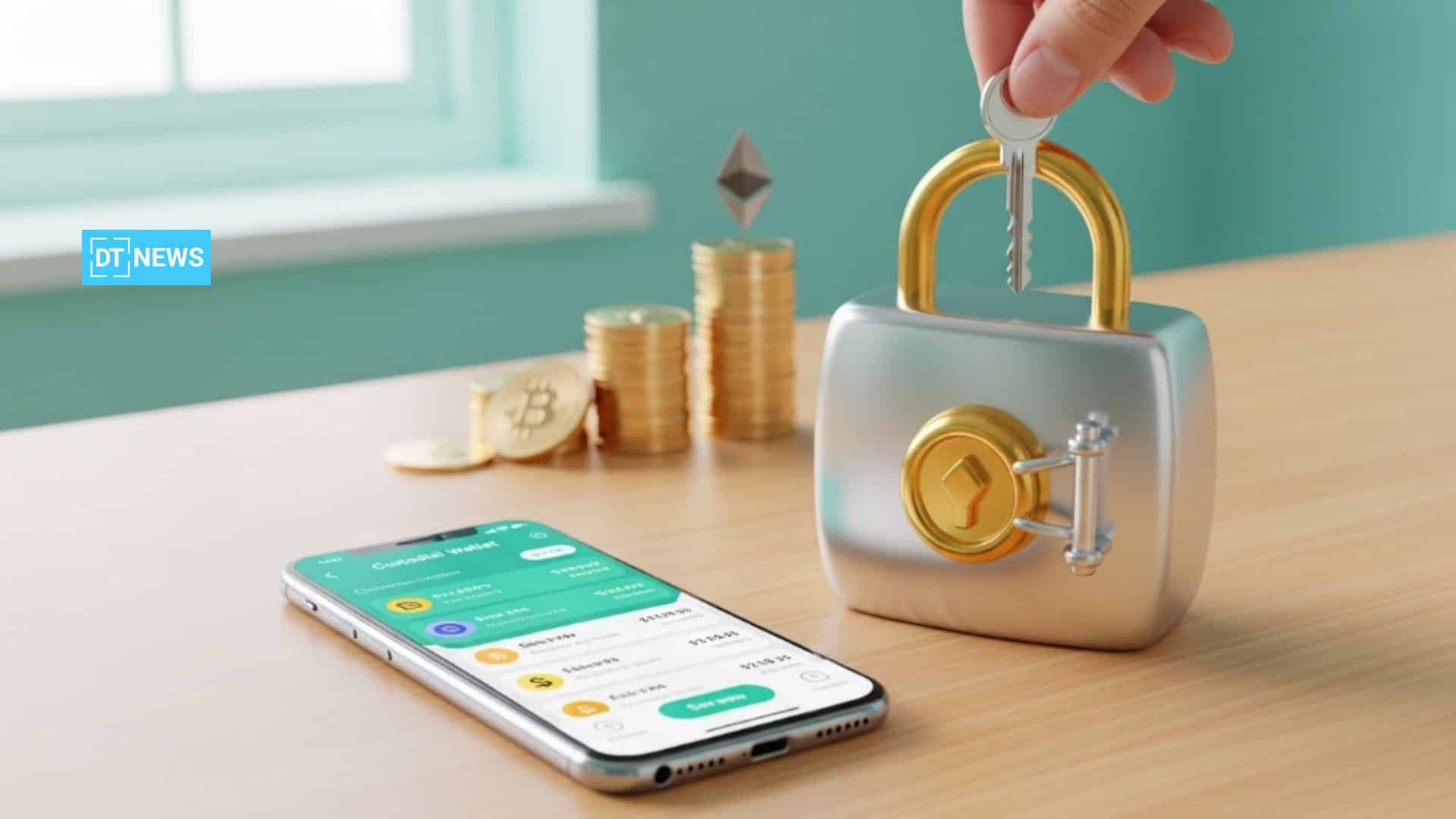
A custodial wallet, also known as a hosted wallet, is a type of crypto wallet where a trusted third party holds the private keys on a user’s behalf. In practical terms, when a user signs up for an account on a cryptocurrency exchange (like Coinbase or Binance), that account often acts as a custodial wallet.
The exchange holds onto and looks after the keys to the user’s coins, and all the user gets to do is log in, and manage their holdings through their interface or website.
Since the custodian has control of the keys, only they can sign off on transactions on the blockchain, even though users see and request transactions in their user interface.
In this setup, the user’s crypto balance is basically just an entry in the custodian’s own internal accounts, rather than being stored on the blockchain with the user’s own address. It’s only when a user withdraws to an external address do the funds move on-chain.
With a custodial wallet, a user has to really trust the provider to do the right thing. You’re relying on them to follow all the proper security practices and to stick to regulations so that your assets are safe. This is similar to how banks work. Just as banks keep an eye on your money, custodians keep an eye on your crypto.
How Custodial Wallets Work
A custodial wallet can work like a regular bank account for crypto. When you deposit cryptocurrency into a custodial wallet (e.g. sending Bitcoin to your exchange account), the coins don’t immediately move to a new blockchain address you control, the exchange credits your account internally.
The wallet’s private keys remain under the exchange’s control. It’s only when you decide to withdraw your money that the custodian has to go ahead and broadcast an on-chain transaction from their own holdings to your specified address.
This setup provides convenience but has limitations:
- Off-chain balances: Transfers between accounts on the same platform (say between two users on the same exchange), it often settles instantly off-chain, without moving actual tokens on the blockchain.
- Withdrawal process: To move funds on-chain, the exchange processes a withdrawal. This can incur fees, time delays for security checks, and may hit daily limits.
- Shared security: The custodian pools all user funds together using professional teams and hardware wallets. However, concentrating large funds makes custodial wallets a tempting target for hackers or fraud.
But even so, many custodial providers invest heavily in security. They follow strict rules (often regulated as money services or trusts) to separate client funds from company assets and insure portions of deposits. For example, major custodial exchanges may use multi-signature cold storage, have dedicated security teams, and hold insurance for online wallet breaches.
Still, as crypto pros say, “not your keys, not your coins”. If the custodian fails (due to hack, fraud, or bankruptcy), you could lose access to your coins.

Custodial Wallet vs. Self-Custody (Non-Custodial)
A non-custodial wallet is one where the user is directly in charge of their private keys (on hardware or software you control), whereas with a custodial wallet the exchange or service has control of them. Some of the key differences include:
| Feature | Custodial Wallet | Self-Custodial Wallet |
| Key Holder | Third-party custodian (exchange, trust, bank) | You alone control keys (hardware or software wallet) |
| Control | Custodian has control over your funds | Full direct control of funds and transactions |
| Ease of Use | Simple UI, no seed phrase to manage | More complex setup (secure storage of seed phrase) |
| Recovery | Forgot password? Exchange can reset access | If you lose keys or seed, funds are irrecoverable |
| Security | Depends on custodian’s security practices; risk of hacks or insolvency | Security relies on you; protected if you use hardware wallets and backups |
| Regulation | Often complies with financial regulations (KYC, AML) | Typically unregulated; you transact pseudonymously |
| Examples | Coinbase, Binance, Kraken, or bank custody | MetaMask, Ledger/Trezor, Trust Wallet, Atomic Wallet |
In short, custodial wallets are all about convenience, you log in like any online account, and complex crypto details are handled for you while non-custodial wallets prioritize sovereignty: you bear all responsibility but also enjoy maximum control and privacy.
A lot of users split their funds by keeping some in a custodial wallet for ease of trading and small purchases and some in self-custody for long-term savings and big holdings.
Benefits of Custodial Wallets
Convenience and Support: Custodial wallets make it easy for beginners to access crypto. Users don’t need to memorize seed phrases or manage keys, just use an email/password (and 2FA).
Platforms usually have easy ways to turn fiat into crypto, built in trading, and user-friendly apps to get you going. Customer support can help with account issues or locked funds, something impossible with a self-custody wallet.
Integrated Services: Exchanges usually integrate custodial wallets with their trading, staking, borrowing, and other services. So users can stake their tokens right on the trading app or lend them out without having to do a thing. This seamless experience is a big reason many traders stick to custodial solutions.
Recovery Options: If you forget your login details, custodial services have ways to recover your account (email verification, or doing a KYC refresh). That way if you lose access to your account, your funds aren’t gone for good like they can be with self-custody.
Insurance and Regulation: Some custodial providers insure their users against losing their digital assets. They’re also often regulated like financial institutions, which means they have to keep client funds separate from theirs just like banks do. So if something goes wrong, your assets are protected.
Professional Security: Large custodians take security seriously, using multi-signature wallets, air-gapped storage and penetration testing. While not foolproof (exchanges have been hacked), their specialized teams can offer security that an average user may not achieve alone.
Risks and Drawbacks of Custodial Wallets
Counterparty Risk: “Not Your Keys”: The biggest risk with custodial wallets is that users have to trust the company holding their assets. If they mess up, get into trouble with the law, or go bankrupt, you could lose your money. There have been plenty of examples of this – FTX in 2022, QuadrigaCX in 2019 being a couple of high-profile ones.
When an exchange holds your keys, your assets are at the mercy of risks you can’t control. And if you’re using a custodial service that goes bankrupt, you might be left with nothing other than unsecured debts.
Central Point of Failure: Custodial wallets introduce a weak point that hackers love to target. Hackers target large exchanges because of the potential payout. There have been a lot of major breaches over the years like Mt Gox in 2014, Bitfinex in 2016, and KuCoin in 2020. Even if the exchange has a secure cold storage for some of their assets, online wallets holding user funds can be compromised.
Regulatory and Legal Risks: Authorities or courts can freeze custodial wallets and exchanges might comply with government orders to freeze accounts or enforce withdrawal limits.
Their terms of service often say that the assets are “held by” the company (not the user’s property) in events like bankruptcy.
This legal uncertainty is a risk: a major exchange’s quarterly filing once warned customers that in bankruptcy “the crypto assets we hold in custody on behalf of our customers could be subject to bankruptcy proceedings and such customers could be treated as our general unsecured creditors.”.
- Privacy Trade-off: When you use a custodial service, you have to undergo a full KYC/AML verification and they keep a record of your activity. If privacy is a priority, this can be a downside. Non-custodial wallets allow pseudonymous use (no KYC needed).
- The Potential Fees and Limits: Some custodial wallets charge extra for withdrawals and put limits on how many transactions users can make in a day. They may also pause transfers during high volatility. In extreme cases, they might suspend withdrawals entirely (e.g., during technical issues or legal probes). Non-custodial wallets do not impose such centralized limits.
What Experts Think
Regulators and industry experts keep saying that crypto custody needs to be secure and transparent. In a 2025 statement, the U.S. SEC’s Commissioner noted that investment funds holding crypto need clear custody options under existing laws.
Banks and custodians are also saying that crypto custody should follow the same kind of rules that they do for traditional assets which involves keeping users assets separate from the rest, being transparent , and making sure they’re well-regulated. The Bank Policy Institute reckoned it was good to apply these traditional rules to crypto too, pointing out that if a custodian fails it can cause trouble for investors.
Where Things are Headed in 2026: Institutional investment is really taking off, and regulators are finally starting to get certain issues sorted out. In the U.S. there has been guidance from the regulators which now lets state-chartered trust companies to custody crypto for funds under securities laws. Traditional banks have re-entered crypto custody after regulatory hurdles were eased.
At the same time, there’s been a huge increase in demand for custodians who are insured and fully compliant, which shows how much investors are keen to follow the rules and regulators are bent to see them do so.
How to Choose: Custodial or Non-Custodial?
Neither custodial nor non-custodial wallets are universally the “best” option; it all comes down to what users need and how much risk they’re comfortable with:
Go with a custodial wallet if: You’re just getting started with crypto and want it to be as easy as possible to use. You’re an active trader and need a hassle-free way to get fiat on and off the platform. You value having someone to turn to if things go wrong. A reputable exchange or finance app can be a big help in all these areas.
Go with a non-custodial wallet if: You know your way around the tech side of things, want to be in full control, and are looking for a secure way to hold onto large amounts of cryptocurrency. You want maximum privacy and are okay with managing your own personal key. Self-custody (using hardware wallets, software wallets etc) is usually the safest bet.
A lot of experts recommend a combined approach. Keep a trading or emergency balance in a custodial wallet and store the rest in a hardware or self-custodial wallet. Whatever you do, don’t forget to turn on 2-factor authentication on your custodial account and only use exchanges or custodians that are clear on regulatory compliance and have insurance.
Conclusion
Custodial wallet usage continues to grow as crypto adoption gains ground. They offer convenience and support, making it easier for millions of people to get into crypto. However, they do come with their own set of risks such as counterparty risk and regulatory worries to mention a few.
From past records, big custodial failures can be very costly for users. As of 2026, regulators are getting clearer on custody rules. Still, it is best to keep what you hold in a custodial wallet to a minimum and only use well-regulated providers.
For savings or privacy, always pair a custodial wallet with a secure self-custody. By understanding the pros and cons and keeping an eye on developments, crypto users can make informed custody choices.
Glossary
Private Key: A secret cryptographic code that proves ownership of crypto funds. Who holds the private key controls the coins.
Custodian: An entity (exchange, bank, trust) that holds and safeguards users’ crypto assets in a custodial wallet.
Self-Custody (Non-Custodial): A wallet model where the user holds their own private keys (e.g. hardware or software wallets).
Segregated Custody: Regulatory principle where client assets are kept separate from the custodian’s own assets for safety.
Frequently Asked Questions About Custodial Wallets
What is the biggest difference between a custodial and a non-custodial wallet?
A custodial wallet stores your crypto private keys on a third-party’s servers (like an exchange), while a non-custodial wallet gives you complete control over your keys.
Are custodial wallets really safe?
Custodial wallets can be safe if you’re using a reputable, regulated company with top-notch security. But they are never completely risk free as there’s always the possibility of a hack or insolvency.
How do I go about getting a custodial wallet?
A lot of crypto exchanges and financial apps give you a custodial wallet automatically when you sign up. For example, registering with Coinbase or Kraken will get you a custodial wallet with an address to send crypto to.
Can custodial wallets hold multiple cryptocurrencies?
Yes, most custodial services support different coins and tokens. But the company decides which assets they’ll support, so do your research and check which cryptocurrencies they allow before you start depositing.
References
Disclaimer: This is not official financial advice. Do your own research and consult a financial advisor before making any decisions.