

This article was first published on Deythere.
Web3 technology has become mainstream reality in many areas of the internet. By using blockchains, smart contracts and peer- to- peer networking systems, Web3 apps are putting data and control back into users’ hands.
Unlike the centralized platforms of Web2 (like Facebook or Google) , a decentralized Web3 envisions “community-run networks” governing access and content.
Web3 and Decentralization: The New Internet
Web3 is envisioned as the next big step in the evolution of the internet, built on open, distributed technology. What it offers is an internet that is truly decentralized, meaning no single company or server has the upper hand.
Under Web2 (today’s internet), big corporations have a hold on data and services. But in Web3’s vision of things, it is about a new, decentralized internet built around blockchains, where use and access are controlled by community-run networks rather than a handful of corporate gatekeepers.
This means users themselves have control over their data, identities, and assets using things like cryptographic keys and protocols rather than leaving them in the hands of Google, Meta or Apple.
According to reports, Web2’s hallmark was platform centralization. Applications like social media or e-commerce rely on centralized servers and data silos. Web3 technology changes this model using blockchain and decentralized databases.
Web2 delivers a platform-centric approach, which centralized the control of applications, identities, and data but Web3 technology delivers this in the form of decentralized data and fewer protocols, often based on open‑source networks.
What that means, in essence, is that Web3 is all about replacing trust in institutions with trust in code and networks. Every transaction or interaction has to get the seal of approval from the network, not from a middleman.
Web3’s main features are decentralization, transparency, and user control. Data storage in Web3 is “decentralized, unlike the centralized approach of Web2”.
That means your photos, messages or documents on Web3 apps live on distributed nodes (computers) rather than on a single server farm.
In a decentralized internet, users could even buy and sell their own data on their own terms. Web3 technology involves creating a more democratic internet where no single point of failure exists and users have more say over how information is used and shared.
The Technologies Behind Decentralization
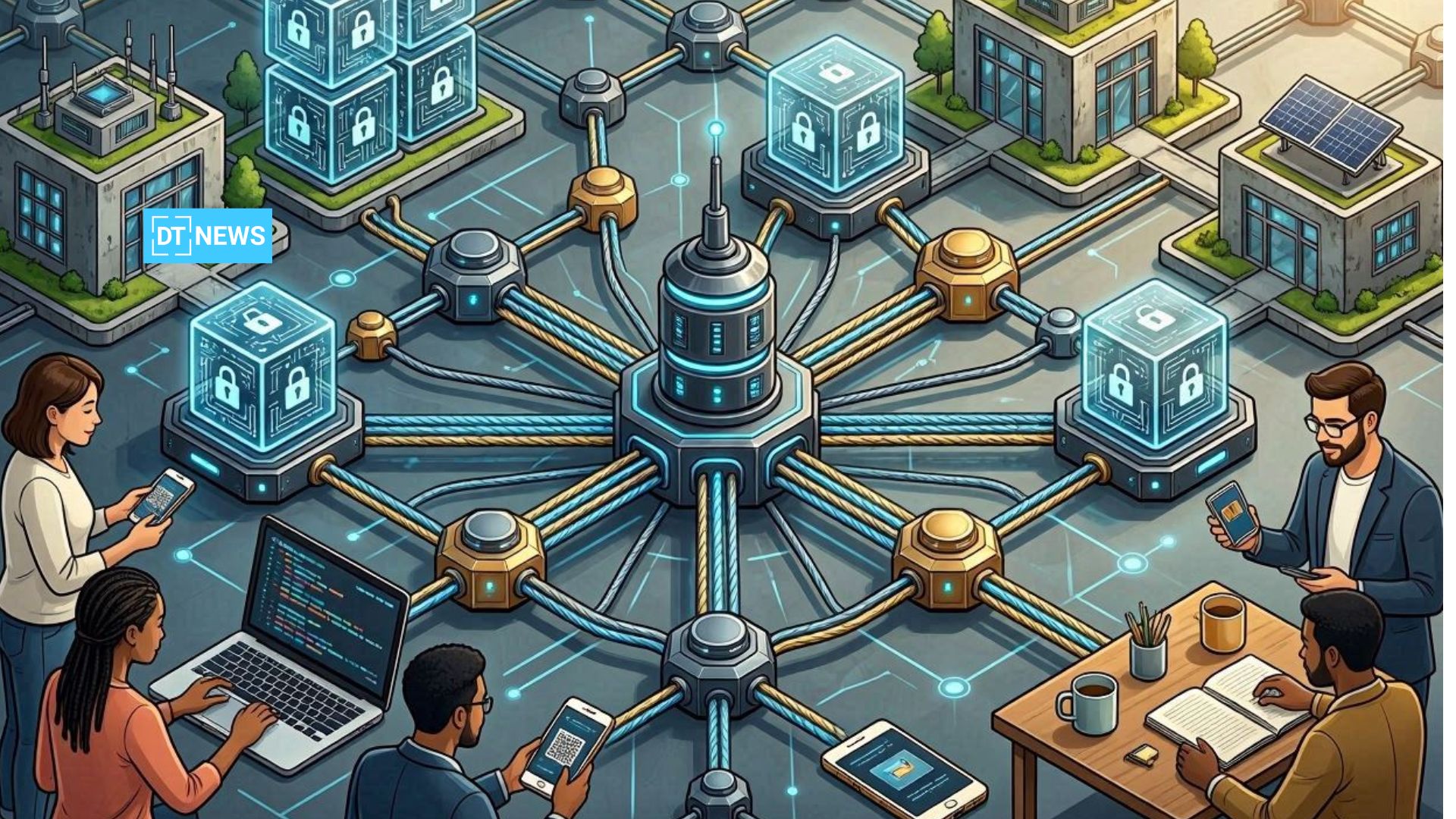
Web3 decentralization is basically made possible by a few main technologies, each one of which replaces centralized servers or authorities with distributed, peer-controlled systems:
Blockchain networks: a blockchain is a digitally distributed, decentralized ledger that lives across a computer network. Instead of data being stored in one place, it is stored in blocks across different nodes all over the world. When new information gets added, every node has to get on board and update its copy, so no single party can just alter records without being noticed.
This design makes it impossible to have one single point of control or failure. For example, public blockchains like Ethereum or Solana run on thousands of nodes around the globe, making them resilient to censorship and almost fail-proof.
Smart Contracts: These are self-executing code on a blockchain. They automatically enforce rules (like an agreement) when conditions are met. In a decentralized internet, smart contracts let users interact (e.g. make payments, trade assets, access content) without a centralized middleman. Because the code runs on many nodes, trust lies in the code’s logic rather than in a single company.
Decentralized Storage and Distribution: Web3 technology uses peer‑to‑peer storage systems to keep files. Projects like IPFS (InterPlanetary File System) and Arweave let users save and retrieve data across a network of computers instead of a single server.
For instance, IPFS describes itself as “open protocols to store, verify, and share data across distributed networks”. Websites or apps built on IPFS spread their files across many nodes. This makes content more resilient (if one node goes offline, others still serve data) and censorship-resistant (hard for any one entity to block it).
Table 1 below summarizes how the Web3 (decentralized) web differs from the traditional centralized web in key aspects.
| Feature | Web2 (Centralized Internet) | Web3 (Decentralized Internet) |
| Data Ownership | User data is owned and controlled by platform providers (e.g. social networks, cloud services). | Users own their data through cryptographic keys or tokens; data is stored on open networks. Users can even sell or control their data. |
| Infrastructure | Relies on centralized servers and cloud providers (Amazon AWS, Google Cloud, etc.). | Uses distributed nodes and peer-to-peer protocols (blockchain nodes, IPFS storage, decentralized DNS). |
| Identity & Login | Centralized identity (email/password controlled by service providers). | Decentralized identity (wallets, DID standards). Users control their digital identity not a single company. Decentralized IDs are secured on blockchains. |
| Trust Model | Users must trust central authorities (banks, platforms, or intermediaries) to enforce rules. | Trust is “trustless”: transactions only occur if code conditions are met and consensus is reached across nodes. |
| Governance | Platform rules and content policies are set by corporate owners. | Governance can be community-based (DAOs, token voting) or code-driven. Protocol upgrades and rules may be decided by consensus of stakeholders. |
| Censorship Resistance | Can be high (in open countries) or low (when platforms remove content or governments block sites). | Greater censorship resistance. Content on blockchains or distributed storage cannot easily be removed by a single party. For example, banned content from a country’s internet (like a blocked Wikipedia page) can be published on IPFS to restore access. |
| Content Economy | Users don’t earn from content/data; platforms monetize user data. | Users can earn tokens for contributions (writing smart contracts, creating content, providing services) and even sell personal data or digital goods directly through tokens. |
These decentralized features come from open standards and protocols, many of which were defined by groups like the W3C or Linux Foundation, and can be used by just about any developer.
For example, instead of relying on ICANN or a DNS provider, decentralized name services (like Ethereum Name Service, ENS) lets users register nice, easy to remember names on a blockchain. That way, the internet isn’t controlled by just a few central authorities.
Decentralization in Action: Use Cases and Projects
The web is becoming more decentralized in some prominent Web3 projects:
Blockchain Platforms (Ethereum, Polkadot, Cosmos etc): Each of these platforms creates a “trustless” network for running applications and any developer can use them. For instance, Ethereum hosts thousands of decentralized apps built on top of it, everything from finance (DeFi) to games. Polkadot and Cosmos aim to connect all these different blockchains together, making it even harder for one organization to control what happens.
Decentralized Finance (DeFi): These are platforms like Uniswap, Aave, and Compound that run on blockchains and replace traditional banks and exchanges. Users can swap currencies, lend and borrow without needing to go through an intermediary. This is a whole financial layer that exists entirely on blockchains and is a big step away from centralized institutions.
Decentralized Storage and Data: These are projects like IPFS and Filecoin (which sits on top of IPFS) that let developers store websites and data on distributed networks. For instance, the Ethereum Name Service provides blockchain-based domain names, and other projects like OrbitDB are building decentralized databases that can store data across different peers. Even archives, for example when Wikipedia was blocked in Turkey, a copy was put up on IPFS and users were able to access it.
Decentralized Social Networks and Communication: Federated networks like Mastodon (part of the “Fediverse”) show a good example of how to build a decentralized network that lets users connect to different servers. (Note: Mastodon is not blockchain-based but is a good example of a decentralized architecture.) There are also blockchain-centric projects like Lens Protocol or Crossbell that run on public blockchains, so users can post and share without having their info locked down to one particular server.
Internet of Things (IoT) and Connectivity: There are new networks emerging that use blockchain to make the internet more connected. For example Helium 5G got a community of people to build a decentralized wireless network by incentivizing them to create it. It’s a good example of how even internet infrastructure (like routers, sensors, satellites) can be decentralized and driven by incentives.
Gaming and Virtual Worlds: Web3 gaming platforms use blockchains to make it so players really own their in-game items (as NFTs) and can run games on decentralized servers. Platforms like Decentraland and The Sandbox are built on Ethereum and their worlds and economies are governed by smart contracts so users don’t have to rely on a single company.
There are many other niches, from decentralized VPNs and streaming platforms (like Livepeer for video) that are emerging as the web becomes more decentralized. Another trend is blockchain interoperability (with projects like LayerZero, Cosmos or Hyperlane) that is helping to get different decentralized networks to work together and share value.
Benefits of a Decentralized Internet
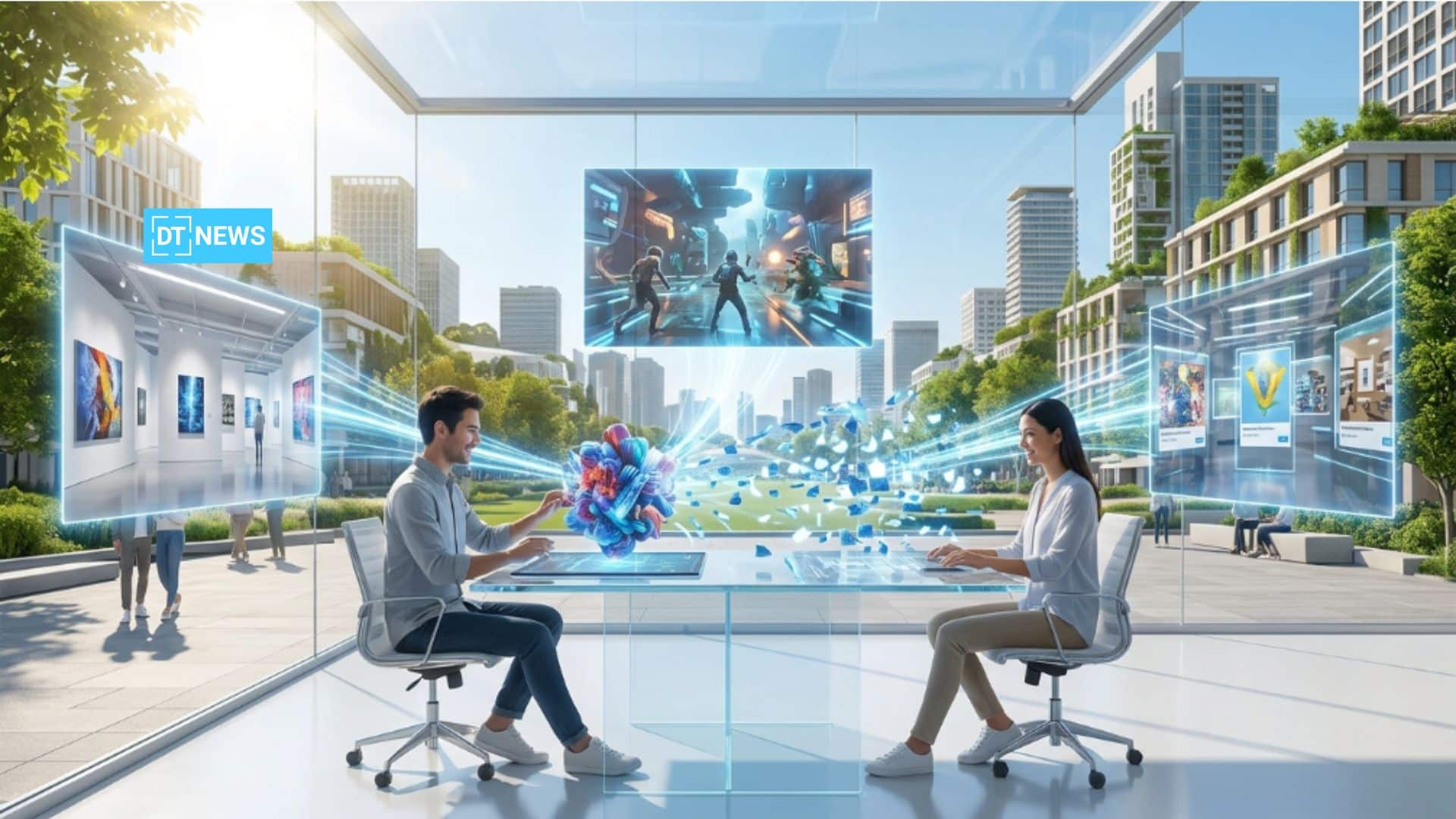
A Decentralized Web3 internet brings different benefits:
User Empowerment: Decentralization puts the power in users’ hands. No longer do users have to hand over their personal data and control to those running the show on centralized platforms. Users get to hold the keys to their own data and smart contracts.
Censorship Resistance: Content and transactions get spread across different nodes, which makes it a lot harder for anyone (governments, companies, or even a single rogue actor) to shut things down or censor services. Because it is all based on open protocols, content stays accessible as long as some node is hosting it.
Innovation and Interoperability: Open infrastructure means the doors are wide open for innovators. Web3 networks mostly use open-source standards so developers from all over the world can build on top of each other’s work. Just as the TCP/IP internet spawned countless apps, blockchain-based networks allow permissionless innovation.
Trustless Transparency: Transactions and code are publicly verifiable. The rules aren’t hidden behind corporate policies, they’re coded in smart contracts and transparent for all to see.
New Economic Models: Tokens and cryptocurrencies give rise to new business models (crowdfunding via token sales, token-curated registries, staking rewards, etc.). Users can earn and spend tokens directly, giving rise to a shared digital economy.
Decentralized Identity and Privacy: Decentralized identifiers (DIDs) let users log in to different services without giving up their personal information
Challenges and Expert Analysis
While the promise of Web3 decentralization is compelling, experts say it is a lot more complicated:
Centralization Tendencies: Unfortunately, many of these Web3 systems still concentrate power in other ways. Web3 may unintentionally concentrate influence among a technically proficient and financially privileged elite. For example, in some DAOs, only a handful of token holders get to decide on things, and that is not what decentralization is about. Similarly, blockchain infrastructures rely on early investors or major validators who wield outsized influence.
Access and Usability: Decentralized systems can be complex. Not everyone has the technical skills or the internet access to get involved. If only the “tech-savvy elite” can use them, then what’s the point of decentralization? Experts reckon that there is a need for a hybrid approach, something that blends the best of decentralization with some human oversight to make sure that less technical communities aren’t left behind.
Performance and Scalability: Blockchains today face limits on transaction speed and cost. Public chains can become congested (high fees on Ethereum are a recent example). While layer‑2 solutions and new consensus methods (Proof-of-Stake, sharding, etc.) help, Web3 networks often trade off some efficiency for decentralization. This can hinder mainstream adoption unless solved.
Security and Fraud: Just because it is decentralized doesn’t mean it is secure by default. The fact is, smart contracts can have bugs, and even decentralized exchanges or apps aren’t immune to being exploited. High-profile DeFi hacks have really shown that when it comes down to it, it is the code that enforces the rules which is only as good as the code’s correctness. Users must still exercise caution.
Regulatory Uncertainty: Meanwhile, regulators are still trying to catch up. There are frameworks like the EU’s MiCA but there’s still a lot of debate about how to govern decentralized services. Some are worried that if regulations get too harsh, it might do more harm than good by forcing central intermediaries. Policy experts are saying that a “hybrid” approach will probably be the solution. That means finding a balance between innovation and consumer protection that works for everyone.
Misconceptions: Some critics say that Web3 isn’t entirely decentralized because it still relies on services that are centralized (like some dApps using centralized servers or APIs). Advocates argue that like web1, Web3 will coexist with some centralized components (e.g. Alchemy, Infura for Ethereum node access).
In summary, analysts agree Web3 is a powerful vision but how it turns out in reality will still be a factor of design choices, community engagement, and policy frameworks. Web3 technology is certainly shifting power to individuals and communities, but without careful thought and oversight, new forms of centralization can easily come up.
Conclusion
Decentralization in Web3″ is transforming the internet. It is allowing users to take back control from corporations and redistribute power to individuals and communities.
Web3 technology promises a whole new, decentralized internet, built on blockchains, where users can reclaim ownership of their data and content. This means that core technologies like blockchains, smart contracts, and peer-to-peer protocols enable people to run their own nodes, verify transactions, and interact without the need for intermediaries.
However , experts are also cautioning that achieving true decentralization is going to be tough. They warn that decentralized networks can end up empowering a new technical elite, which just begs the need for more inclusive models.
Web3 is really pushing the internet back towards its roots, but its success hangs on balancing innovation with fairness, and making sure that the code and balancing innovation with fairness, and code with human-centric policy.
Glossary
Web3: The next generation of the internet, where decentralization is a part of things. Built on blockchain technology, it lets people interact directly without the need for a central authority.
Decentralization: This is the opposite of centralization. Rather than control being held by a central entity, it is instead spread out across different nodes.
Blockchain: A decentralized digital ledger of transactions maintained by a network of computers where each entry is linked to the one before it using cryptography. This means that once something has been added, it can’t be changed.
Smart Contract: Self-executing code on a blockchain that automatically enforces agreements when conditions are met. It is immutable (cannot be changed once deployed) and runs on every node.
DAO (Decentralized Autonomous Organization): A community-led organization run by rules encoded as smart contracts. Token holders vote on proposals; there is no central CEO.
Frequently Asked Questions Web3 Technology in Internet Decentralization
What is Web3 technology and how does it differ from Web2?
Web3 is the idea of a decentralized internet run on blockchain and related technologies. Unlike Web2, where big tech firms always hold the reins on user data and services, in Web3, instead of a central authority controlling things, control is shifted to a network of distributed systems. This lets users take charge of their own data and services, without needing to rely on some big corporation.
How do blockchains make the internet more decentralized?
Blockchains are a record book that is shared across different computers, not just one server. Each of these computers holds a copy of the data and agrees or disagrees with new entries. This removes any single weak point where problems could happen, and is not reliant on some central authority.
What are the benefits of a decentralized internet?
So far, the main benefits seem to be more control over one’s own data and more privacy, because only the user has the keys. Users are also less likely to get censored, because data is spread across a lot of nodes, and it is more transparent.
Are there any downsides to decentralization in Web3?
There are a few potential downsides to consider. Some critics say that just building on blockchain doesn’t necessarily make things fair. Power can end up being held by a small group of insiders who are knowledgeable. A lot of public blockchains also struggle with slow speed and high fees. Regulation is also still being figured out.
References
Disclaimer: This article should not be taken as investment or financial advice of any kind. Web3 and associated technologies is still evolving and outcomes are still uncertain. If you’re thinking of getting involved with Web3 platforms or markets, just do your own research first.