
This article was first published on Deythere.
- 24X Proposal Keeps Tokenized Stocks Inside Existing Market Structure
- Access Remains Permissioned Not Open
- DTC Remains the Record Keeper
- The Real Competition Is Distribution
- Conclusion
- Glossary
- Frequently Asked Questions About Tokenized Stocks
- What are tokenized stocks?
- What is the 24X filing?
- Will tokenized stocks replace traditional shares?
- Who is in control of settlement under the proposal?
- References
Tokenized stocks are often tagged as the great leveler, a way to bring traditional finance and blockchain technology together. But a new regulatory filing now suggests that the rollout in the United States might not be as revolutionary as many crypto enthusiasts were expecting.
On June 11, 24X National Exchange filed with the SEC a proposed rule change called SR-24X-2026-20 and on June 16, that filing was published by the SEC, while on June 22 it was officially lodged on the Federal Register. The plan is for eligible 24X members to trade tokenized stocks and exchange-traded products, through a trial programme run by the Depository Trust Company (DTC)
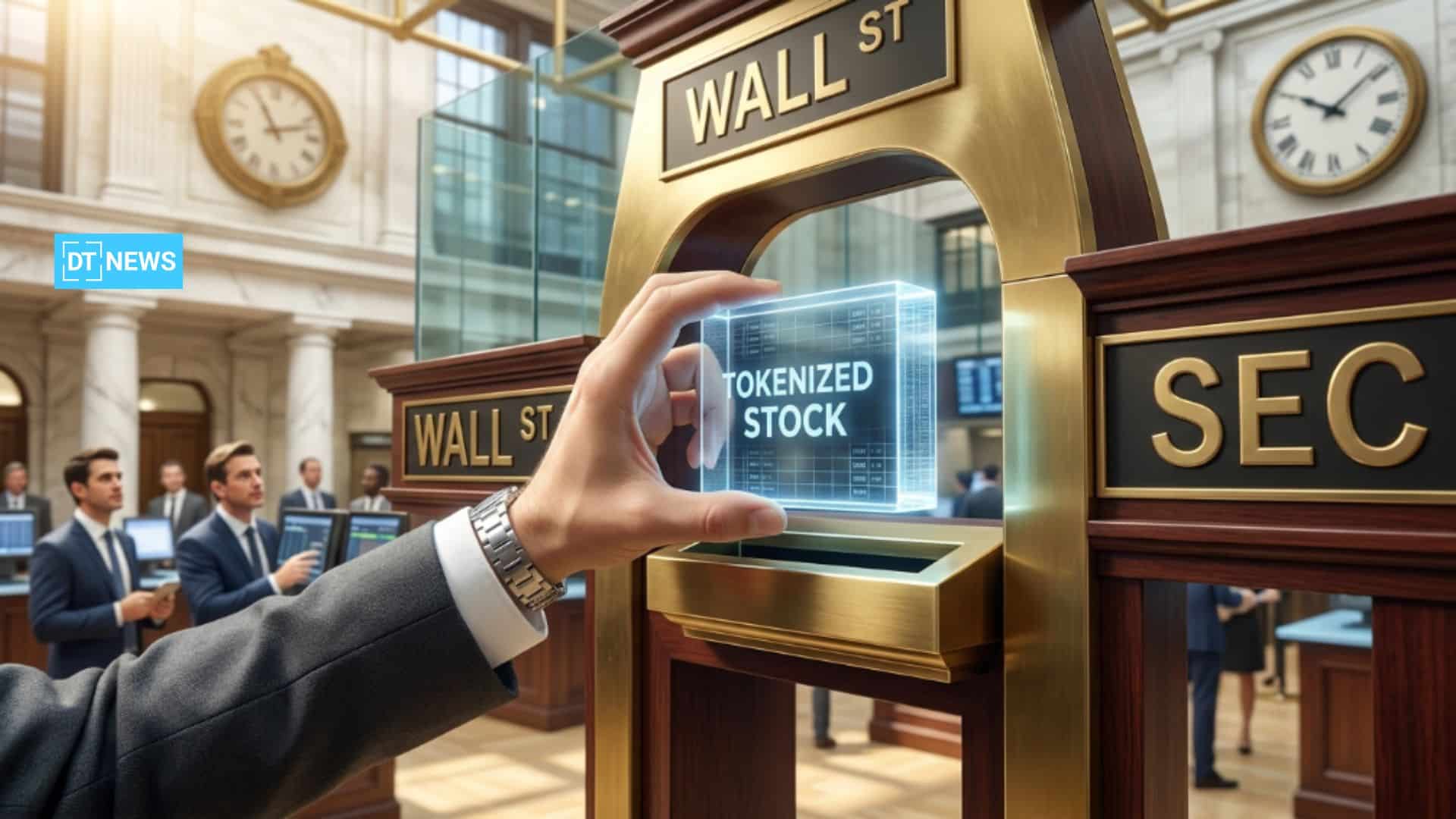
The filing suggests tokenized stocks are going to be added on top of the old Wall Street infrastructure. Exchanges, settlement systems, custody records, shareholder rights, and participant controls will all remain exactly as they are, and blockchain technology will just be grafted on.
24X Proposal Keeps Tokenized Stocks Inside Existing Market Structure
The most important thing the filing shows is that tokenized stocks will be carrying on just as normal within the current national market system.
The proposal says that DTC-eligible participants can trade tokenized versions of approved equities and exchange-traded products, while using DTC to sort out and clear and settle transactions. Liquidity will be on the same exchange order book, and the tokenized shares carry the same legal rights as the traditional version.
To qualify, a tokenized security has to have the same CUSIP, trading symbol, rights and privileges as the original stock. So basically, investors won’t be buying separate blockchain-based assets, they’ll be buying the same security in a different format.
It looks similar to some of the other work that has been going on in the industry. In December 2025, DTC got permission from the SEC to launch tokenization services for a few select securities, including Russell 1000 stocks and major ETFs. The framework lets tokenized representations exist, as long as they preserve the same investor protections and ownership rights as the traditional version.
Access Remains Permissioned Not Open
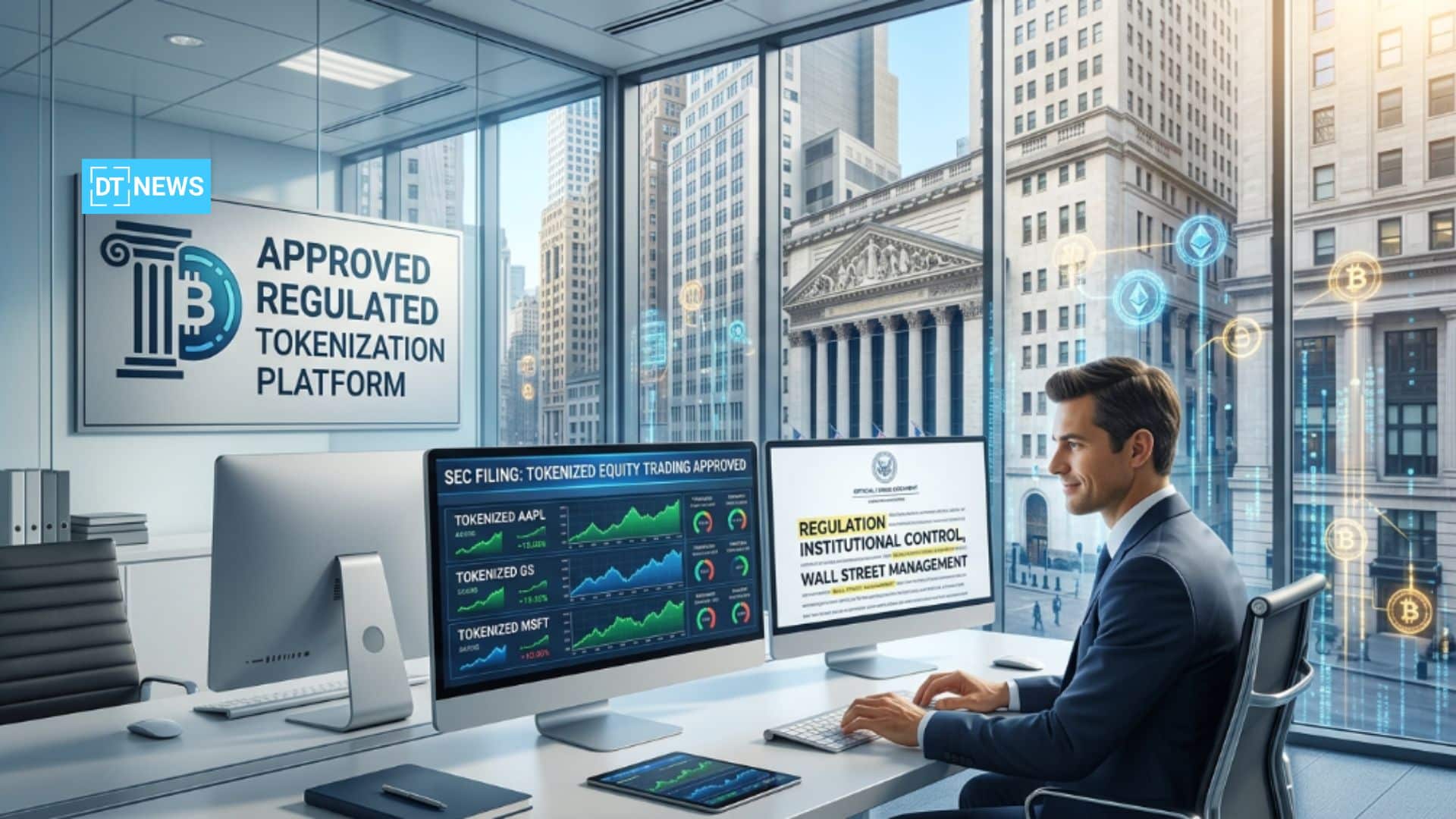
The fact that blockchain tech is being introduced doesn’t change much, access is still tightly controlled.
The 24X proposal requires participants to meet certain eligibility requirements tied to being members, approved securities, compatible blockchains and registered wallets. And if an investor wants to settle with a token, they have to indicate that when they place the order.
DTC will only process tokenized settlement if requirements are met. If any of the participant, wallet, blockchain or security fail the eligibility checks, then it defaults back to traditional settlement.
That just shows where the power really lies.
The token part exists because of the rules and DTC systems. Tokenization isn’t going to override the existing market infrastructure, it is just going to work within the boundaries that are set by the regulated institutions.
This differs from a lot of the crypto-native platforms out there, where users are expecting open access, self-custody and fewer middlemen.
DTC Remains the Record Keeper
Another feature from the proposal is the role that DTC continues to play.
Under the tokenization pilot approved by the SEC in December 2025, DTC participants can opt to keep security entitlements on distributed ledger technology rather than just DTC’s central ledger under the SEC-approved tokenization pilot. However, ownership records still sit under DTC’s watchful eye.
When they turn securities into tokens, DTC takes the entitlement from a participant account, puts it into a Digital Omnibus Account and mints a token to an approved wallet. Importantly, Cede & Co, the nominee of DTC, remains the registered owner of the underlying securities. DTC also keeps an eye on things through LedgerScan, an off-chain monitoring system that’s the official record for tokenized entitlements.
The arrangement provides blockchain functionality while preserving centralized oversight. Tokens may move between approved wallets, but DTC retains visibility into transfers and determines operational standards.

The Real Competition Is Distribution
The filing doesn’t settle the question of who is going to dominate the tokenized stocks market.
Crypto-native platforms offer advantages that traditional exchanges often struggle to match, including global accessibility, wallet-based user experiences, and around-the-clock participation.
The 24X-DTC model is different. It prioritizes regulatory certainty, investor protection and keeping with existing securities laws over being open.
Supporters say that this will make it easier for institutions to adopt because it keeps shareholder rights and legal clarity. Critics will probably see this as being overly restrictive and not what blockchain is all about.
If DTC managed to deliver real benefits like longer trading hours, operational efficiency and seamless settlement, traditional infrastructure providers could gain an early advantage. If the process feels too controlled, then crypto-native competitors may continue attracting users seeking greater flexibility.
Conclusion
The 24X filing offers how tokenized stocks could enter mainstream finance without replacing Wall Street’s old ways.
Exchanges are still going to run the markets, DTC still does the settlement, shareholder rights remain the same. The difference is that eligible securities could also exist in tokenized form.
Tokenized stocks are going to be coming to investors via the same channels as always, even if the technology that is powering them is changing fast.
Glossary
Tokenized Stocks: This is a digital version of a traditional share recorded on the blockchain.
DTC (Depository Trust Company): This is the primary US company responsible for the clearing and settlement of securities.
CUSIP: This is a unique number that gets assigned to a tradable security in the US.
Settlement: The process of transferring ownership and completing a securities transaction.
Frequently Asked Questions About Tokenized Stocks
What are tokenized stocks?
Tokenized stocks are the blockchain version of traditional shares which still carry the same rights as the original share.
What is the 24X filing?
It’s the SR-24X-2026-20 which is a proposed SEC rule change that would allow eligible participants to trade tokenized securities through a DTC pilot program.
Will tokenized stocks replace traditional shares?
No, tokenized stocks are just another way to own the same security with the same rights and all.
Who is in control of settlement under the proposal?
DTC would continue handling clearing and settlement while overseeing tokenized entitlements through its pilot framework.