
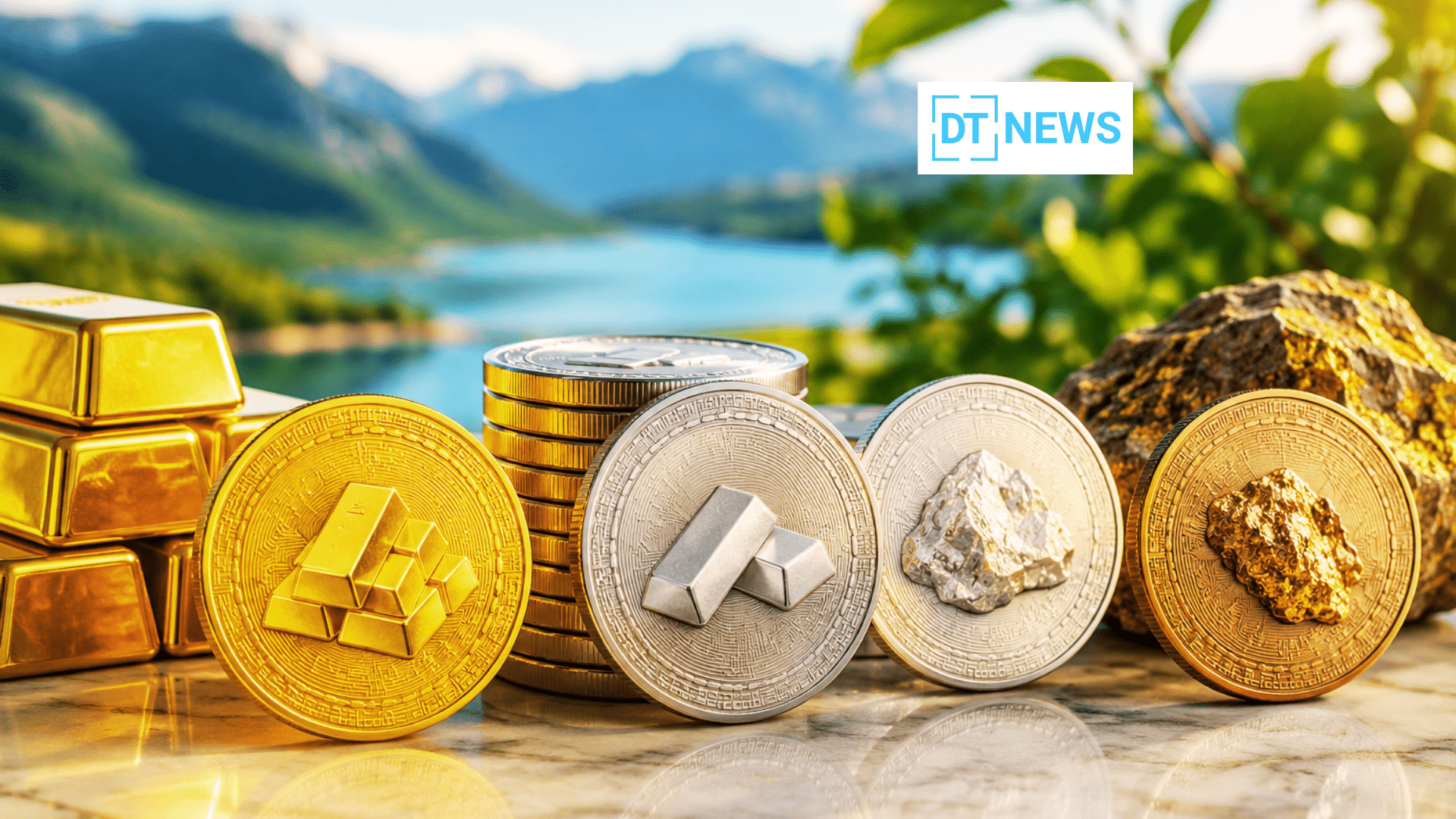

Gold-backed stablecoins are becoming an important part of the growing real-world asset tokenization sector as blockchain technology creates new ways to represent traditional commodities through digital ownership. The shift reflects a broader change in financial markets where physical assets such as gold, silver, platinum, and palladium are being explored through blockchain-based systems. These digital assets aim to combine the long-standing value of commodities with the speed, transparency, and accessibility offered by modern technology.
- What are Gold-backed stablecoins and commodity-backed digital assets?
- How does tokenized gold work through blockchain networks?
- Why are investors exploring digital representations of commodities?
- Which gold-backed assets are leading the market?
- How is commodity tokenization expanding beyond gold?
- What challenges could affect the future of tokenized commodities?
- Conclusion
- Glossary
- Frequently Asked Questions About Gold-Backed Stablecoins
The development of tokenized commodities marks a move beyond digital-only cryptocurrencies. Instead of focusing only on assets created within blockchain networks, the industry is increasingly looking at ways to bring traditional stores of value into digital financial systems. This transformation is creating new opportunities while also raising important questions around custody, transparency, regulation, and trust.
What are Gold-backed stablecoins and commodity-backed digital assets?
Gold-backed stablecoins represent digital assets that are connected to physical gold reserves, giving users a blockchain-based way to access gold ownership. Similar to this model, Commodity-backed stablecoins link digital tokens with real-world resources such as gold, silver, platinum and palladium. The process involves tokenization where physical commodities are stored under the supervision of an issuer or custodian and digital tokens are created to reflect the value or ownership linked to those assets.
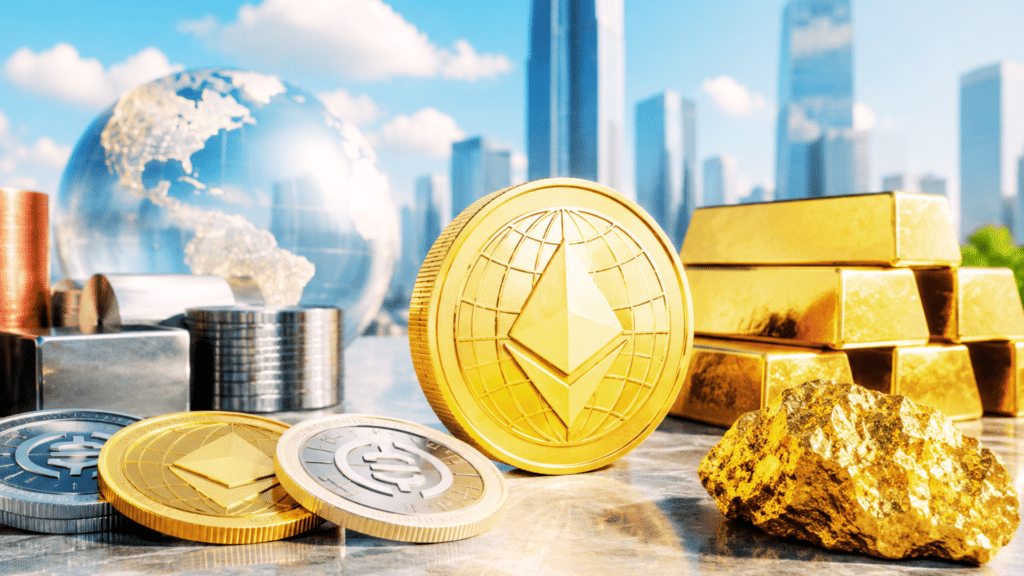
The tokens can then be transferred, traders or used within blockchain-based financial applications. Unlike traditional stablecoins such as USDT and USDC which are designed to maintain a stable value against fiat currencies, commodity-linked digital assets generally follow the market value of their underlying resources. This means their prices can change depending on commodity market movements. Their growing use shows how blockchain is being explored as a way to bring traditional assets into a more digital financial environment.
How does tokenized gold work through blockchain networks?
Tokenized gold relies on a connection between physical reserves, custody arrangements, and blockchain records. The process begins when an issuer acquires gold that meets required quality standards and places it in secure storage facilities managed through professional custody systems. Digital tokens are then created based on the quantity of gold held in reserve. Each token represents an allocated amount of the physical commodity, usually measured in grams or troy ounces.
Blockchain technology records ownership details and allows users to transfer their digital gold exposure without physically moving the underlying asset. This creates a more efficient way for investors to access gold while avoiding some traditional challenges linked with storage, security, and transportation. However, trust remains central to the model. Investors depend on issuers, custodians, and verification processes to confirm that the physical reserves exist and are properly maintained.
Why are investors exploring digital representations of commodities?
Investors are increasingly looking at tokenized commodities because they offer a connection between traditional wealth preservation methods and digital financial systems. Gold has remained one of the most recognized stores of value globally due to its long history as a financial asset. The appeal of gold tokenization comes from combining physical commodity exposure with blockchain-based convenience.
Users can access digital forms of gold without directly handling storage or transportation responsibilities. Gold-backed stablecoins and other tokenized commodity products also support fractional ownership. This allows investors to gain exposure to smaller portions of commodities that may otherwise require larger amounts of capital. Experts in the digital asset sector have highlighted that real-world asset tokenization could expand the role of blockchain beyond cryptocurrencies by bringing traditional financial products into digital environments.
Which gold-backed assets are leading the market?
Several projects have become examples of how blockchain can represent physical gold ownership. Tether Gold (XAUT) and Paxos Gold (PAXG) are among the recognized gold-linked digital assets in this space. Tether Gold (XAUT) provides blockchain-based access to gold through tokens connected to allocated physical reserves.
The asset demonstrates how ownership of a traditional commodity can be managed through digital infrastructure. Paxos Gold (PAXG) follows a similar approach by linking each token to physical gold stored through custody arrangements. The project aims to connect blockchain-based ownership with established financial systems while maintaining traditional compliance practices. These examples show commodity tokenization is steadily linking physical assets with blockchain systems.
How is commodity tokenization expanding beyond gold?
Commodity-backed stablecoins are moving beyond gold as the market explores tokenizing silver, platinum, and palladium for their investment value and industrial use. Silver is drawing attention for its dual role as an investment asset and industrial material while platinum and palladium are also being evaluated as tokenization candidates due to their global market significance.
Even as commodity-backed stablecoins expand into these metals, gold remains the dominant commodity for blockchain tokenization because of its global recognition, historical importance, and entrenched role in financial markets. This shift shows how blockchain is entering areas once controlled by physical markets.
What challenges could affect the future of tokenized commodities?
Gold-backed stablecoins and commodity-backed stablecoins face several challenges as the sector matures. A primary concern is custody risk, since the physical asset sits outside the blockchain and must be stored by trusted custodians. Investors need to trust that issuers and custodians hold accurate reserves. Transparency through verification, independent audits and regular reserve reporting remains essential to build confidence.
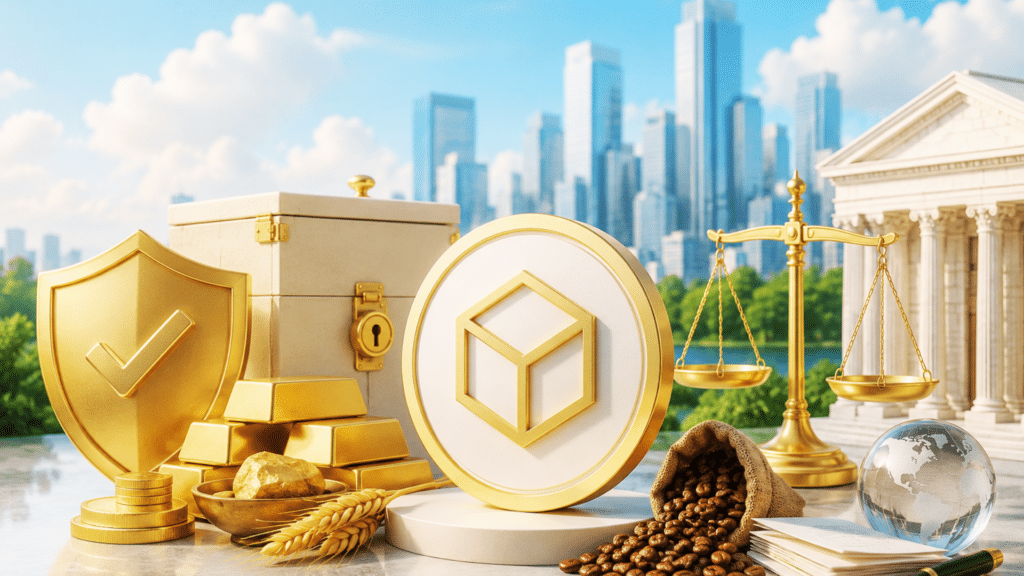
Liquidity presents another hurdle. Compared with major fiat-backed stablecoins, commodity-linked digital assets trade in smaller markets, which can reduce trading activity and overall efficiency. Regulation will also play a key role. Governments and financial authorities are developing approaches for digital assets and tokenized real-world assets and future regulatory frameworks could shape how these products are created and traded.
Conclusion
Gold-backed stablecoins are part of a bigger push to bring physical wealth into digital finance. They tie blockchain to real commodities, giving people a new way to hold traditional stores of value without leaving the crypto world. Tokenized commodities show blockchain is moving past just digital currencies. Projects backed by gold and other resources prove physical assets can live on-chain while still representing real-world value.
Commodity-backed stablecoins could keep growing as markets look for better ways to make ownership more accessible and efficient. But long-term success will depend on transparency, secure custody, clear rules, and trust from users. As finance keeps changing, the link between physical commodities and blockchain could become a core part of the next phase of digital finance.
Glossary
Gold-backed stablecoins: Tokens backed by physical gold on blockchain.
Commodity-backed stablecoins: Digital assets linked to real commodities like gold
Tokenization: Turning real assets into digital blockchain tokens.
Real-world assets (RWA): Physical assets represented on blockchain.
Digital gold: Tokenized gold enabling fractional ownership and transfer.
Custody: Secure storage of assets backing digital tokens.
Frequently Asked Questions About Gold-Backed Stablecoins
How do gold-backed stablecoins work?
They work by creating digital tokens that represent a fixed amount of real gold kept in storage.
Why is silver important in commodity tokenization?
Silver is important because it has both investment value and strong industrial use.
Why do people use gold-backed stablecoins?
People use them because they allow easy access to gold without needing to store or handle physical gold.
Are gold-backed stablecoins safe?
They can be safe, but they depend on trust in the company that stores and manages the gold.
How is commodity tokenization expanding beyond gold?
It is expanding to metals like silver, platinum, and palladium.