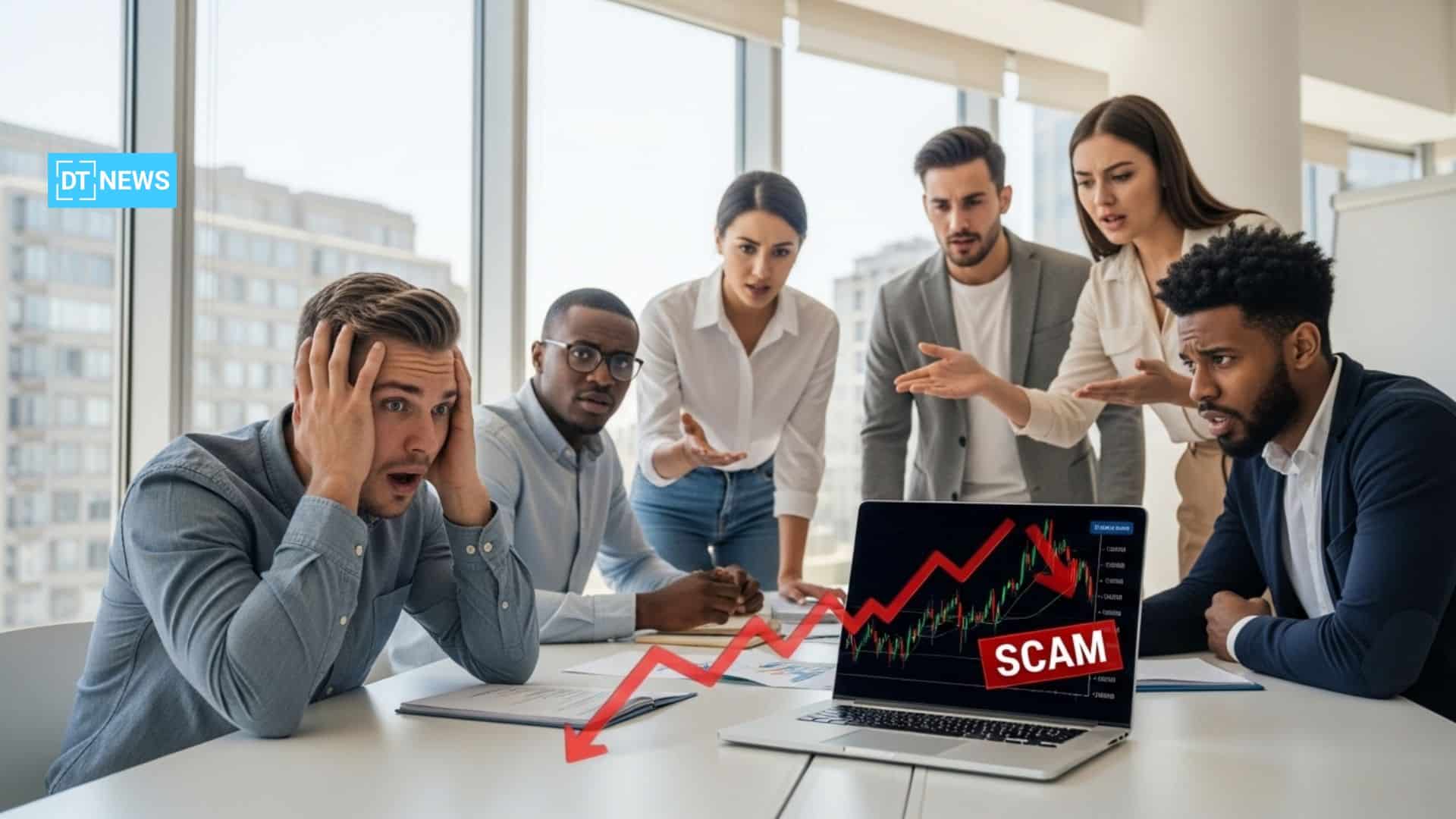

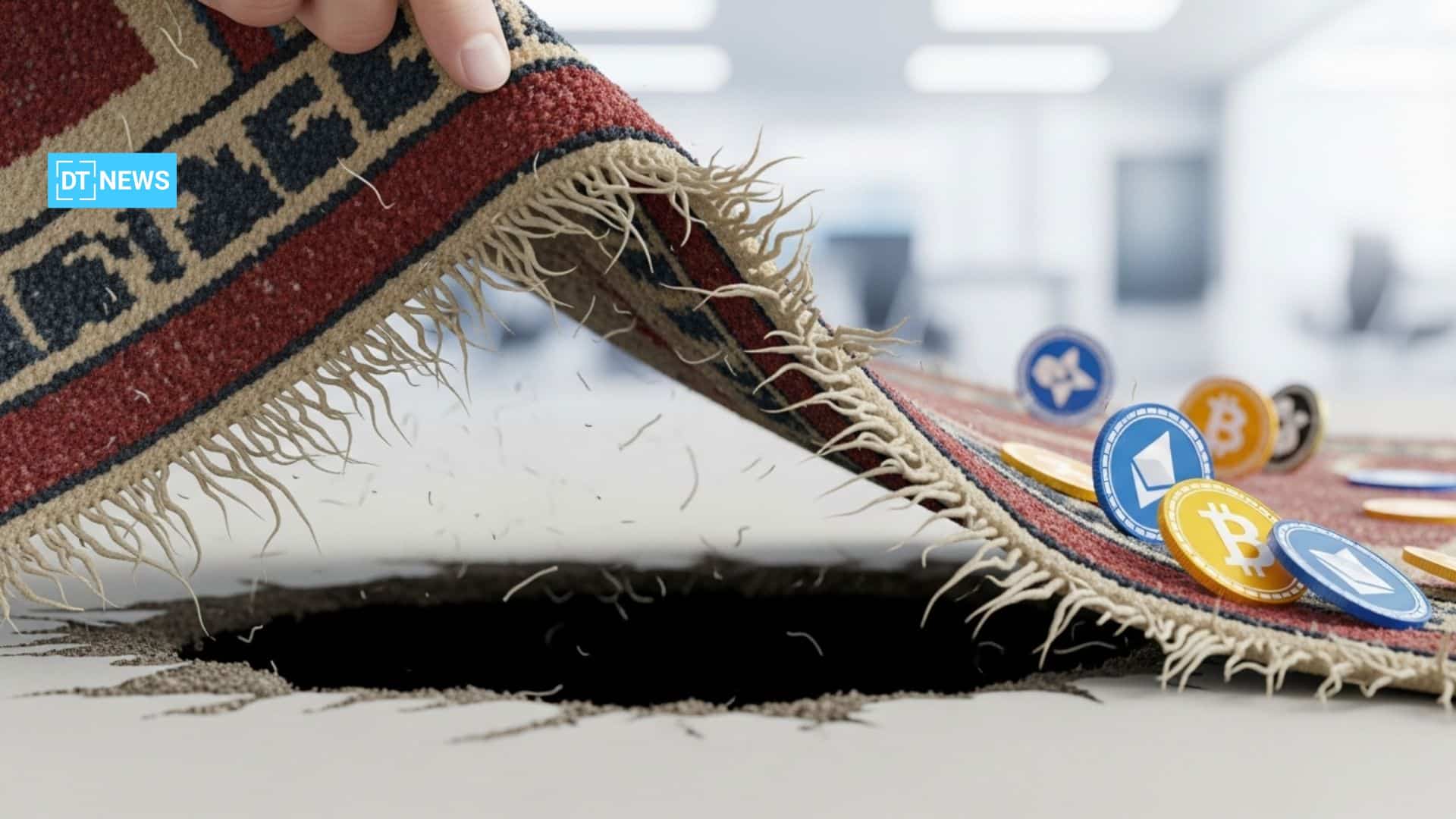
In recent years, the crypto rug pull scam has become a multibillion-dollar problem. Even with growing public awareness; identifying these scams before the launch of a coin is still a challenge for investors.
- Crypto Scam Headlines and Trends
- Warning Signs and Red Flags of Rug Pulls
- Common Rug Pull Red Flags and What They Mean
- Expert Opinion : On-Chain and Code-Level Detection
- Regulatory and Industry Guidance
- Detection Checklist and Best Practices
- Conclusion
- Glossary
- Frequently Asked Questions About Rug Pull Scams
- What is a “rug pull” scam?
- How can I spot a potential rug pull before investing?
- Are there any tools that can help detect rug pull scams?
- If I suspect that a project is a rug pull, what should I do?
- References
Rug pull scams are a massive problem, siphoning off billions from investors every year making them one of the biggest threats to crypto.
Crypto Scam Headlines and Trends
Last year was a notorious one for crypto scams with an estimated $14-$17 billion stolen worldwide in crypto fraud. In the U.S. alone, reported crypto investment losses totalled $11 billion in 2025. A large portion of these losses came from rug pull scams where developers artificially inflate a token’s price before withdrawing all the funds.
For example, Arkham Research defines a rug pull as when “developers essentially abandon the project and make off with investor cash , leaving the tokens worth nothing”.
The California DFPI also warns that rug pulls leave investors with a worthless currency after the developers pull out. Reports show that on some popular decentralized exchanges, up to 90% of new token pools ultimately get rug pulled.
As a result, being able to spot a rug pull has become an essential skill for any crypto investor.
It’s worth noting that attackers have gotten a lot more cunning , and recent reports reveal how AI-powered scams are a lot more effective than older methods.
According to reports, scammers using AI are making about 4.5 times more profit per operation than the old way of doing things. Some crypto projects now appear professional and “clean” to the naked eye, using all sorts of advanced tactics (like subtle taxes and sneaky functions) to evade the simplest of scanners.
This means that investors have to use several layers of detection to stay safe.
Warning Signs and Red Flags of Rug Pulls
Experienced traders know that there are usually warning signs long before a scam collapses. Here are some key flags to watch out for before a project launches:
Anonymous or Unverified Team: If the developers are hiding behind fake names or pseudonyms; that is a big red flag. Legitimate projects usually list their team members with verifiable track records.
No Proper Audit: Reputable projects get a security audit from firms like CertiK or OpenZeppelin. A complete lack of a proper audit report or just vague claims about one, is suspicious .
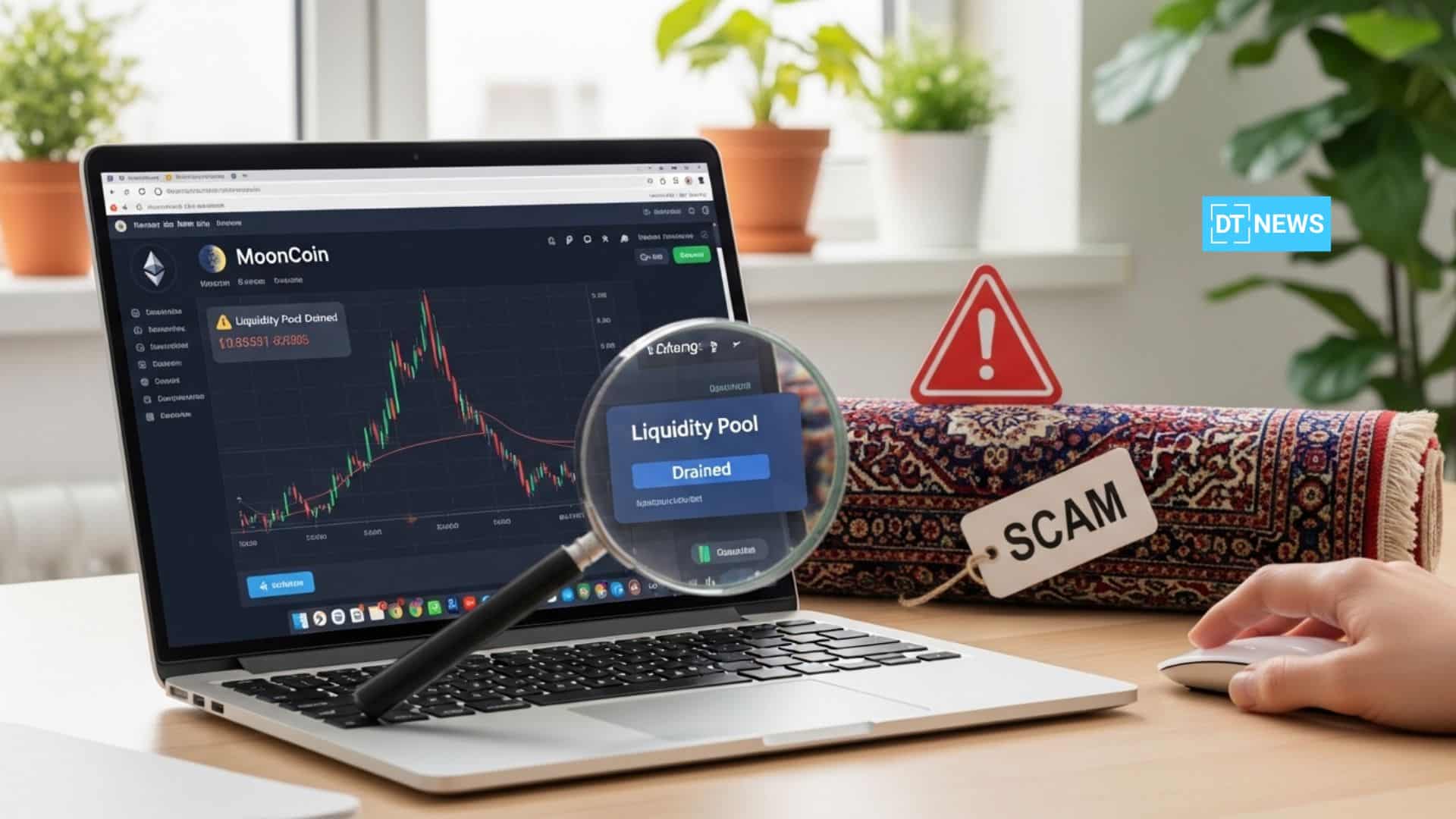
Unlocked or Zero Liquidity Lock: If the liquidity pool isn’t locked behind a time-bound contract, then the developers can take all the funds out at any time. Crypto scams often exploit unlocked liquidity by quickly pulling out funds.
Aggressive Marketing and Outrageous Promises: Be wary of claims like “guaranteed 10x returns” or constant hype on social media as it is usually a sign that it might probably be a scam. High-pressure tactics (e.g. urgent giveaways , influencer shilling) also often precede a rug pull
Odd Tokenomics: Pay attention to hyper-inflationary token supply ( too many tokens) or unequal distribution ( most tokens owned by a tiny group). If insiders own a large portion, they could dump the price when unsuspecting buyers start moving in.
Unusual Code or Fees: Built-in “honeypot” functions (where only buyers but not sellers can trade) or very high taxes/fees on selling are technical traps. Tools can help detect these; but even just seeing extremely high transaction fees (e.g. 90% tax to sell) is a warning.
New Social Channels: If Telegram/Discord groups or Twitter accounts are brand-new or have fake followers; it suggests a rush to create hype rather than a genuine community.
Common Rug Pull Red Flags and What They Mean
| Red Flag | Explanation |
| Anonymous Team | No real names or verifiable track record; developers hide behind pseudonyms. (Scammers avoid accountability.) |
| No Audit or Vague Audit | Lack of a real security audit from a known firm. (Means code may have unchecked vulnerabilities or traps.) |
| Unlocked Liquidity | Liquidity pool not locked in a contract. (Developers can withdraw funds instantly.) |
| Malicious Code/Taxes | Code with hidden functions (honeypots, blacklists) or extremely high selling fees. (May block sales or drain wallets.) |
| Extreme Hype & Guarantees | Promises of fixed, high returns; aggressive influencer marketing. (“Too good to be true” often is.) |
| Small Dev Token Holdings | Devs or insiders hold a large percentage of tokens. (They can dump price and exit.) |
| Fake Community | New or suspicious social media presence; bot followers. (Lack of genuine user interest.) |
By spotting these red flags, investors can boost their chances of avoiding a rug pull. The sooner one can identify warning signs, the sooner it is to get out of the project altogether.
Expert Opinion : On-Chain and Code-Level Detection
Beyond just looking out for surface level warning signs, a deeper technical analysis also offers powerful detection. What security experts recommend is a multi-layered approach using both smart-contract and blockchain forensics:
Static Code Analysis: There are various tools like Honeypot.is, TokenSniffer, GoPlus, that can scan token contracts for known “trap” code. They look for functions like the self-destruct or transfer-tax logic, hidden mint or burn, or blacklists.
DexTools for example shows Honeypot.is and RugDoc as two popular scanners that simulate buying/selling to see if there’s any locked up liquidity or transfer blocks going on. While static analysis can catch a lot of amateur scams, it can still miss out on some more sophisticated traps engineered by scammers who know what they’re doing .
Dynamic Simulations: More advanced scanners can do a buy-sell simulation on a forked blockchain. The FRB Agent “five-layer stack” runs a small buy order then tries to sell it back. If much less can be sold (e.g. only 90% of bought amount) and no legitimate fee explains it, the token is likely a trap.
This simulated trade can reveal whether the token has any conditional taxes or one-way selling rules. Tools like Honeypot.is do similar things to flag tokens that can’t be sold.
Behavioral and Historical Analysis: Cutting-edge detection methods now look at the history of transactions of wallets. ChainAware for instance scores the behavioral history of the token’s creator and liquidity providers.
Even if the new token’s code looks perfect, the developers who created it might have a history of scamming or other shady things going on. This method can catch scams before they get the chance to drain liquidity, a key part of pre-launch detection.
Manual Code Review: Even though there’s a lot of automated tools out there, a manual audit (or just reading the source code on a block explorer) can reveal issues. Experienced analysts will check for things like onlyOwner sell restrictions, developer privileges, or unsourced external calls.
For example, experts recommend looking for any require(false) flags or unusual transferFrom logic. While technical, even retail investors can learn basic checks by inspecting code on Etherscan or BscScan.
Experts advise , combining all these different methods: static scans, dynamic tests, and AI profiling. As DexTools notes, no single tool is going to catch everything, you need to do it all. A smart strategy is:
- Run a quick check with honeypot or other tools to see if it’s a scam
- Check out the risk scores on TokenSniffer or similar
- Verify any available audits
- Review token contract on-chain to see if there are any locks or owner rights. If any of these steps raise any red flags, then it’s safer to just leave it.
Regulatory and Industry Guidance
Despite blockchain’s decentralized nature, regulators still warn about rug pulls. The California DFPI has a clear definition of what constitutes a rug pull, as a scam where developers inflate the value of a project only to leave their investors high and dry.
Similarly, financial authorities and major crypto platforms are urging investors to do their own research before parting with their funds. Official crypto exchanges tend to stick to listing only vetted assets, so a token outside of a reputable platform, should be a major red flag.
Consumer-protection agencies are advising people to take certain precautions, such as verifying the team behind the project and locking any liquidity.
While there’s nothing stopping developers from launching an anonymous project; many jurisdictions view rug pulls as a clear breach of securities and fraud laws. Victims are encouraged to report suspected scams to authorities (SEC, FINRA, FTC; or local regulators) and use blockchain analysis firms to trace funds.
Detection Checklist and Best Practices
To avoid getting caught out by a rug pull scam project, use this quick checklist of actions:
Verify Team and Background: Look up the team behind the project (LinkedIn, previous projects etc); and verify their claims.
Check Code Repositories: If the smart-contract code is posted publicly (e.g on GitHub or Etherscan); review it for suspicious functions (or get it audited).
Use Detection Tools: There are tools out there that can scan a token address and give a quick idea of whether it’s a scam or not (e.g. RugCheck, TokenSniffer, Honeypot.is; GoPlus).
Inspect Liquidity: Make sure the new token’s liquidity is locked in place (check services like Unicrypt). If it’s not, then it is a big red flag.
Monitor Social Media: Take a look at the project’s community. New groups, bot followers, or spammy promotions suggest caution.
Test with a small amount first: If you’re still feeling optimistic about a project, then try investing a tiny amount first just to make sure you can get out without issue (a tiny buy-sell test).
By following these simple steps to detect a rug pull, investors can reduce the risk of getting scammed. High rewards usually come with high risk, so a healthy dose of doubt and a bit of research can save investors from losing everything to a scam.
Conclusion
To sum it all up, crypto rug pulls are a major problem and they’re only getting worse. The good news is that using rigorous detection methods can actually help.
By keeping an eye out for warning signs (anonymous teams, unlocked liquidity; hidden code traps) and using a multi-layered approach (code scans, simulations, AI-based wallet histories), investors can spot a scam token before it even launches.
No approach is foolproof, but combining automated tools with expert insights can make a big difference. Stay vigilant, keep your knowledge up to date and consult experts. To keep your crypto portfolio safe; the best advice is to treat every new project with a healthy amount of skepticism and due diligence.
Glossary
Rug Pull: A crypto scam where developers withdraw all funds or abandon a project after raising money; crashing the token’s value (leaving investors with worthless tokens).
Liquidity Pool: A reserve of tokens (often paired with a major cryptocurrency like Ethereum) that makes trading on decentralized exchanges possible.
Honeypot (Scam): A sneaky token contract that lets you buy but never ever lets you sell.
Smart Contract Audit: A detailed security review of a token’s code by experts.
Pump and Dump: A scheme where insiders hype up a token price (pump) and then sell off en masse (dump). While not exactly the same as a rug pull (it often involves some selling pressure after hype); it is another form of exit scam.
Token Lock / Locked Liquidity: A time-bound smart contract that prevents developers from removing liquidity from a pool for a set period.
Frequently Asked Questions About Rug Pull Scams
What is a “rug pull” scam?
A rug pull scam is a cryptocurrency fraud where project developers lure investors; then suddenly withdraw all funds, leaving the token worthless.
How can I spot a potential rug pull before investing?
There are a few warning signs to look out for: a team that’s anonymous; unrealistic promises of guaranteed returns, no security audit done, and a liquidity pool that’s unlocked are all bad omens.
Are there any tools that can help detect rug pull scams?
Yes, there are a few tools out there that’ll scan new tokens to give an idea of the risk of a rug pull. There are detectors like Honeypot.is or RugDoc which simulate transactions to ensure a token can be sold. Risk scoring platforms analyze contract code for blacklists or backdoors. New AI-driven tools (e.g. ChainAware’s Rug Pull Detector) assess the developer’s on-chain behavior.
If I suspect that a project is a rug pull, what should I do?
Don’t send any more funds, just stop investing. Double-check all publicly available information (team identities, official audit reports, etc.). You can report scams to authorities: e.g., the FTC (in the U.S.) or local financial regulators (California’s DFPI tracks crypto scams). If you’ve already bought the token, try to sell off some of it as quickly as you can.
References
Disclaimer: This article is for informational purposes only and does not constitute financial or investment advice. Crypto markets are volatile and carry risk. Always perform your own research before investing.