

This article was first published on Deythere.
- What Are Utility NFTs?
- How Utility NFTs Add Real-World Value
- Benefits and Challenges of Utility NFTs
- Expert Perspectives and Outlook
- Conclusion
- Glossary
- Frequently Asked Questions About Utility NFT
- What is a Utility NFT?
- How do Utility NFTs differ from regular NFTs?
- Are Utility NFTs legally regulated?
- What are common use cases of Utility NFTs?
- What are the risks of using Utility NFTs?
- References
NFTs have evolved since their 2021 boom. As of mid-2026, major brands and platforms are pushing a new generation of non-fungible tokens focused on utility. Dubbed “NFT 2.0,” these Utility NFTs embed functions like access rights, rewards, or dynamic features into tokens.
Industry reports also noted that in 2025 saw crypto shift from collectible hype toward practical uses.
What Are Utility NFTs?
NFTs (or NFT 1.0) have been mostly static digital collectibles (art, profile pictures, etc.) with unchanging metadata. Utility NFTs (NFT 2.0) add interactive or real-world value.
Technically, NFT 2.0 tokens are dynamic and programmable: their smart contracts can update attributes or grant privileges under certain conditions. A 2023 academic review notes that NFT 2.0 tokens “can have multiple owners and are oriented to use cases where the tokens can add utility to applications”.
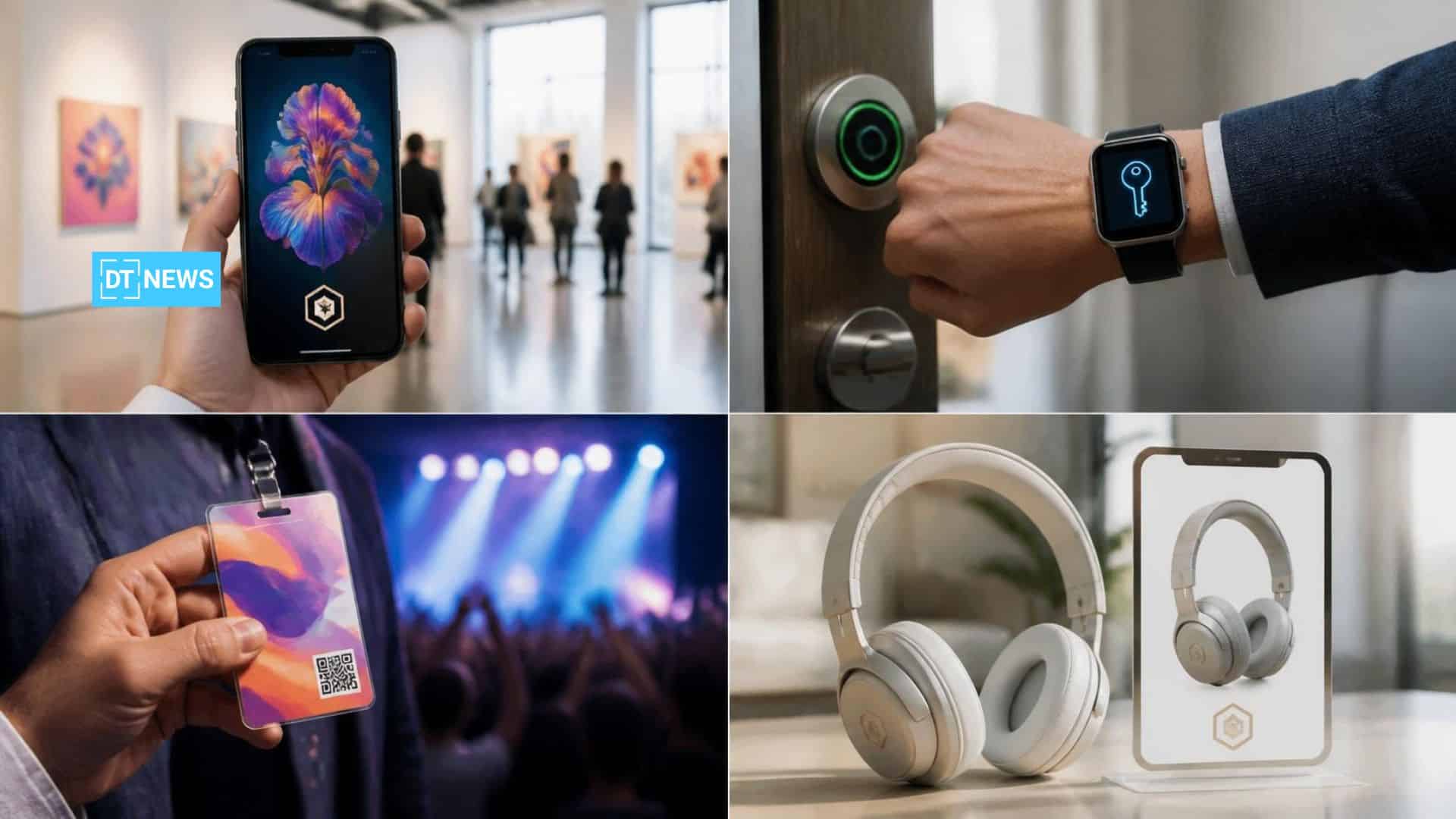
In plain terms, Utility NFTs go beyond simple ownership and can be used like tickets, membership cards, certificates, or in-game items that change over time.
According to experts, dynamic NFT (dNFT) are those with encoded smart contract logic that enables it to automatically change its metadata based on external conditions. For example, an NFT representing a gaming character might “level up” as the player gains experience, with its metadata updating to show new abilities.
Similarly, a Utility NFT might grant access to an online community or unlock rewards when certain actions occur. In short, NFT 2.0 tokens can interact with the world (via oracles, other contracts, or user inputs) to deliver ongoing value.
Table below summarizes common Utility NFT categories:
| Use Case | Description | Examples |
| Membership and Loyalty | NFT as a membership pass or loyalty card, granting perks (discounts, events, etc.) | GQ magazine NFT subscription; BAYC’s Yacht Club membership pass; Starbucks Odyssey rewards (NFT stamps) |
| Event Ticketing | NFTs as tamper-proof digital tickets, preventing fraud and enabling traceability | Sports Illustrated’s Box Office NFT tickets; GET Protocol blockchain tickets |
| Gaming Assets | NFTs for in-game items or characters that can evolve or be owned across games | Play-to-earn game avatars that level up (Chainlink example) |
| Physical Assets | Tokenizing real-world assets (real estate, art, collectibles) for fractional ownership or authenticity | Property title NFTs (future use); luxury good provenance NFTs |
| Identity and Access | NFTs representing identity, credentials, or event access rights (often non-transferable “soulbound” tokens) | University diploma NFTs; NFT IDs for access control |
| Community and Voting | NFTs granting voting rights or DAO membership, strengthening governance and engagement | DAO membership tokens; NFT club badges with voting |
Each of these utility categories is grounded in real products or pilots. For instance, Binance Academy notes that Bored Ape Yacht Club (BAYC) NFTs have been treated as membership cards in past times: “Holding a BAYC NFT has functioned as a membership pass to an exclusive club, giving owners early or free access to new collections and events”.
In ticketing, the reports are that NFT-based event tickets cannot be copied or faked, allowing organizers to track and manage sales on-chain.
How Utility NFTs Add Real-World Value
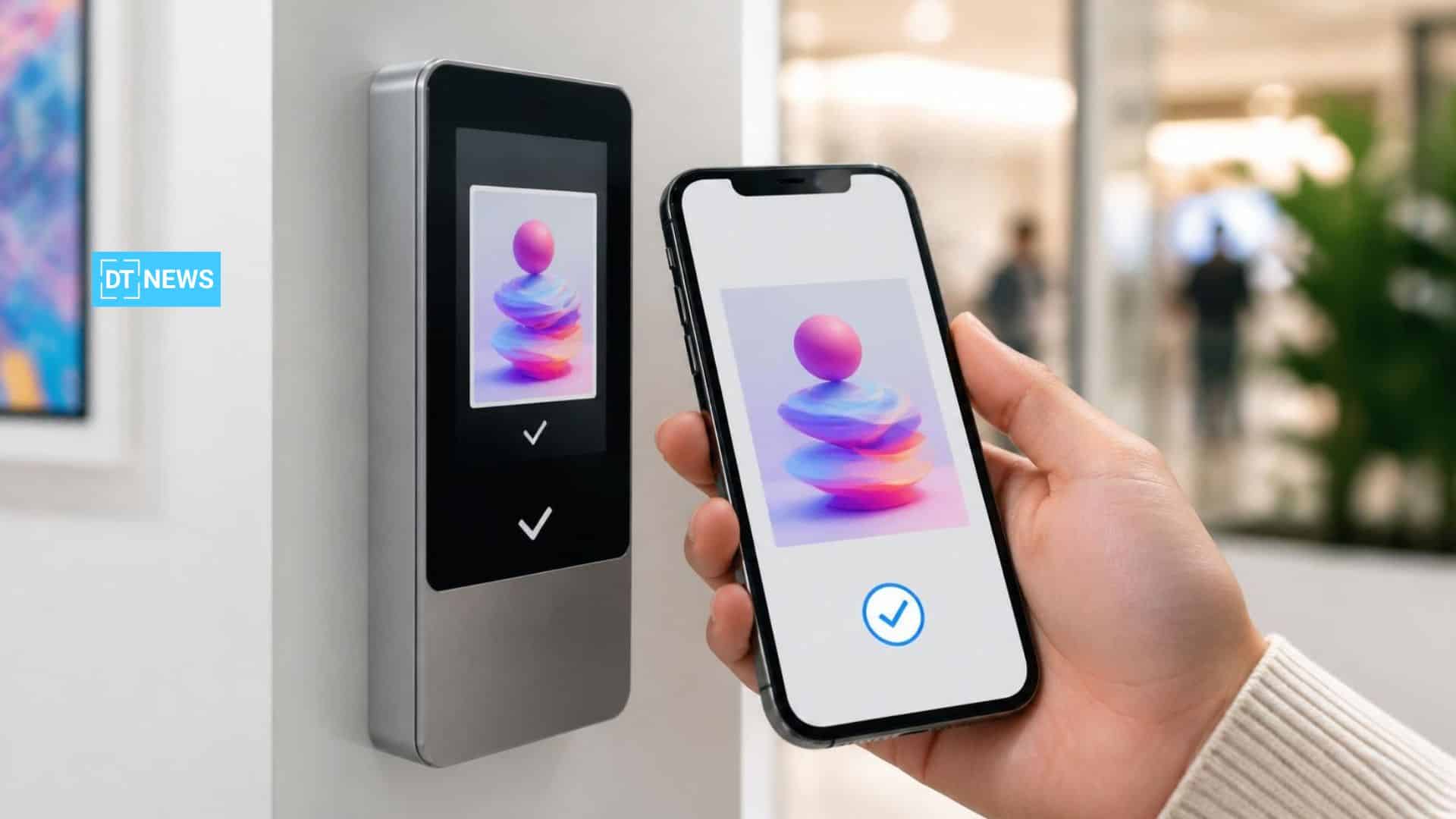
Utility NFTs tie tokens to tangible benefits. A membership NFT can grant access to exclusive clubs or services. For example, ApeCoin holders (tied to BAYC) gain invitations to branded events; GQ’s 2023 NFT drop included magazine subscriptions, merchandise, and VIP Discord access for NFT holders.
Loyalty NFTs reward customers: Starbucks’ Odyssey program let fans earn NFT “stamps” for trying products, which unlocked future perks. In these cases, the token itself proves membership or loyalty status.
NFT ticketing is another utility use. By minting each ticket as a unique NFT, organizers solve counterfeiting and control resale. Event promoters can track tickets in real time and enforce price caps. Sports Illustrated’s Box Office (built with Polygon) is a global NFT ticketing platform, merging traditional and NFT tickets to deliver highlights, collectibles, and loyalty offers to fans.
In gaming and metaverse, Utility NFTs empower true ownership. A player’s NFT character or item can exist outside any single game and be upgraded over time. Chainlink’s experts note how dynamic NFTs enable “character progression” in games.
As players gain experience, the NFT’s metadata (and in-game stats) can update to show their growth. These NFTs can also be used as collateral or staked for rewards, blurring the line between game assets and financial instruments.
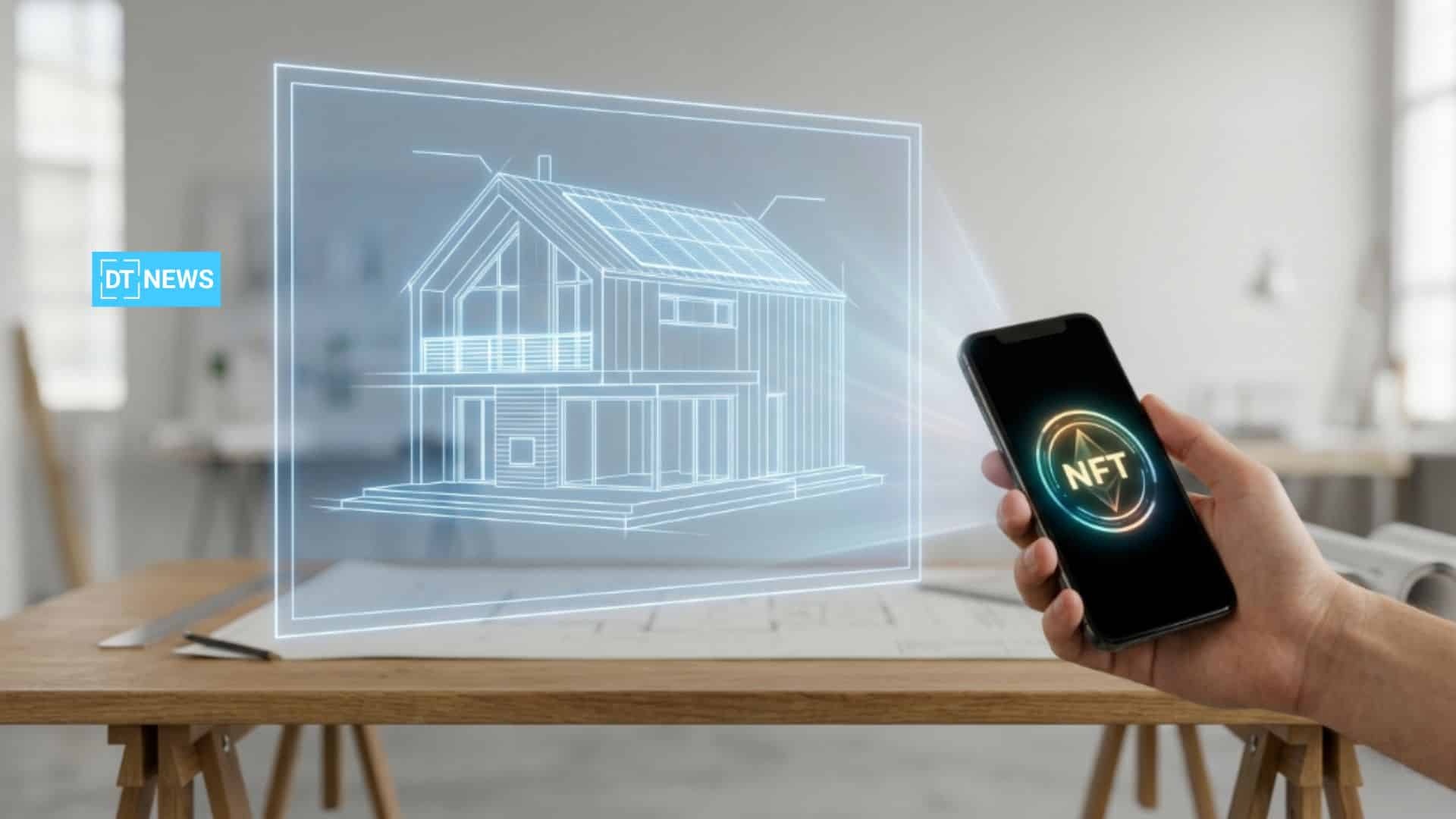
Beyond these, physical asset tokenization is also coming up. Real estate deeds, art collectibles, and even vehicle titles can be minted as NFTs. Recent research claims Property NFTs (dividing real estate into tokens) make investing more accessible, while supply chain NFTs verify product authenticity.
NFTs for identity (sometimes called “soulbound tokens”) can encode personal credentials on-chain. All these use cases show how Utility NFTs connect digital tokens to everyday utility.
Benefits and Challenges of Utility NFTs
Utility NFTs aim for lasting value not short-term hype. By tying tokens to services or assets, projects can sustain engagement. As analysts observe, NFT loyalty programs offer customers unique and exclusive rewards and “real-world value,” making them more appealing than standard loyalty points.
NFT-based perks (early access, discounts, airdrops) encourage holders to keep their tokens longer, boosting customer retention. Smart contracts also enable transparent royalty payments; for example, creators or venues can receive a cut every time an NFT ticket or collectible is resold.
However, risks and hurdles remain. Technical complexity is high. Utility NFTs may rely on oracles, smart contracts, and multi-chain bridges, introducing security vulnerabilities. Smart contract bugs have cost millions in NFT losses, so rigorous audits are essential.
Regulatory uncertainty is another issue. Until 2026, it was unclear if NFTs would be treated as securities. A major step occurred on March 17, 2026 when the U.S. SEC and CFTC jointly issued guidance on crypto. They classified NFTs under “digital collectibles”, not automatically as securities.
This means many NFT projects may avoid onerous SEC rules but any NFT that grants profit rights could still trigger securities laws. Companies and investors must still tread carefully and stay compliant as regulations evolve.
Other challenges include interoperability and adoption. An NFT built on one blockchain may not work on another without standards. The market for collectible NFTs has cooled since 2022, so new projects must prove real utility. If promised perks do not materialize or if the user experience is poor, holders may disengage.
Can decentralized applications (including NFT platforms) attract and retain users without relying on speculative incentives. Utility NFTs must therefore deliver consistent, user-friendly value to succeed.
Expert Perspectives and Outlook
Industry observers agree that NFTs are transitioning to functionality. Major NFT loyalty pilots: GQ issued an NFT magazine subscription, Sports Illustrated launched NFT ticketing, and Starbucks rolled out the Odyssey Web3 rewards program.
These mainstream experiments have the power to boost loyalty as customers hold tokens for future perks. Meanwhile, thought leaders on Crypto and Web3 note that many NFT projects built in past years were speculative, and now teams are focusing on utility use cases.
Blockchain analysts emphasize that the tech foundation is stronger. Projects like DareNFT and StreamNFT (on platforms like Skale and Polygon) are already exploring NFT rentals, fractional ownership, and cross-chain features that fit the NFT 2.0 vision.
In summary, Utility NFTs represent the next evolution of digital tokens. They transform NFTs into tools and experiences, not just digital art. As adoption grows, sectors from gaming to finance to live events experiment with NFT-based models. Experts caution that long-term success depends on delivering user value, not just tokenomics.
Conclusion
Utility NFTs are moving from hype to utility in 2026. They are being adopted by businesses as digital membership cards, tickets, and asset registers. While challenges (security, regulation, standardization) remain, Utility NFTs offer tangible benefits: traceability, royalties, and engagement.
Industry studies show that NFT loyalty programs have the power to boost loyalty and encourage community growth. As technology and regulation mature, Utility NFTs could unlock new business models where token ownership means actual, everyday value.
Glossary
NFT (Non-Fungible Token): A unique digital token on a blockchain that proves ownership of a specific item or asset. Unlike cryptocurrencies, NFTs are not interchangeable.
Smart Contract: A self-executing code on a blockchain that defines how tokens (like NFTs) behave, including ownership rules and automatic functions.
Dynamic NFT (dNFT): An NFT that can change its attributes or metadata based on external triggers (e.g., a gaming NFT that levels up as you play).
Token Gating: Using NFT ownership as a “key” to grant access to content, features, or communities (e.g., only holders can enter a Discord channel or unlock content).
Soulbound Token: A non-transferable NFT tied to an identity or credential (e.g., academic certificate or license) that cannot be sold.
Interoperability: The ability of NFTs and applications to work across different blockchains or platforms. Lack of standards can limit this.
Frequently Asked Questions About Utility NFT
What is a Utility NFT?
A Utility NFT is a non-fungible token that grants real-world value or services (beyond digital art). Examples include NFT tickets, loyalty cards, and access passes.
How do Utility NFTs differ from regular NFTs?
Regular NFTs (NFT 1.0) are static digital collectibles. Utility NFTs (NFT 2.0) often have programmable logic or attached rights.
Are Utility NFTs legally regulated?
In March 2026, U.S. regulators classified many NFTs as “digital collectibles”, not securities. This provides some clarity: NFTs used purely for utility (access, membership) are generally not securities, though any NFT sold with promised investment returns could be regulated. Always check current rules in your jurisdiction.
What are common use cases of Utility NFTs?
Utility NFTs are used for membership passes, event tickets, gaming assets, asset tokenization, identity/credentials, and governance.
What are the risks of using Utility NFTs?
Main risks include smart contract vulnerabilities (bugs/hacks), regulatory uncertainty, and interoperability issues between blockchains. Also, utility claims may not materialize, which can harm token value. Users should conduct due diligence and not assume all NFTs carry guaranteed benefits.
References
Disclaimer: This article is for informational purposes only. It does not constitute financial or legal advice. The value and utility of NFTs and related tokens involve risk. Past performance is no guarantee of future results. Always do your own research and consult qualified professionals before investing in or using blockchain assets.