

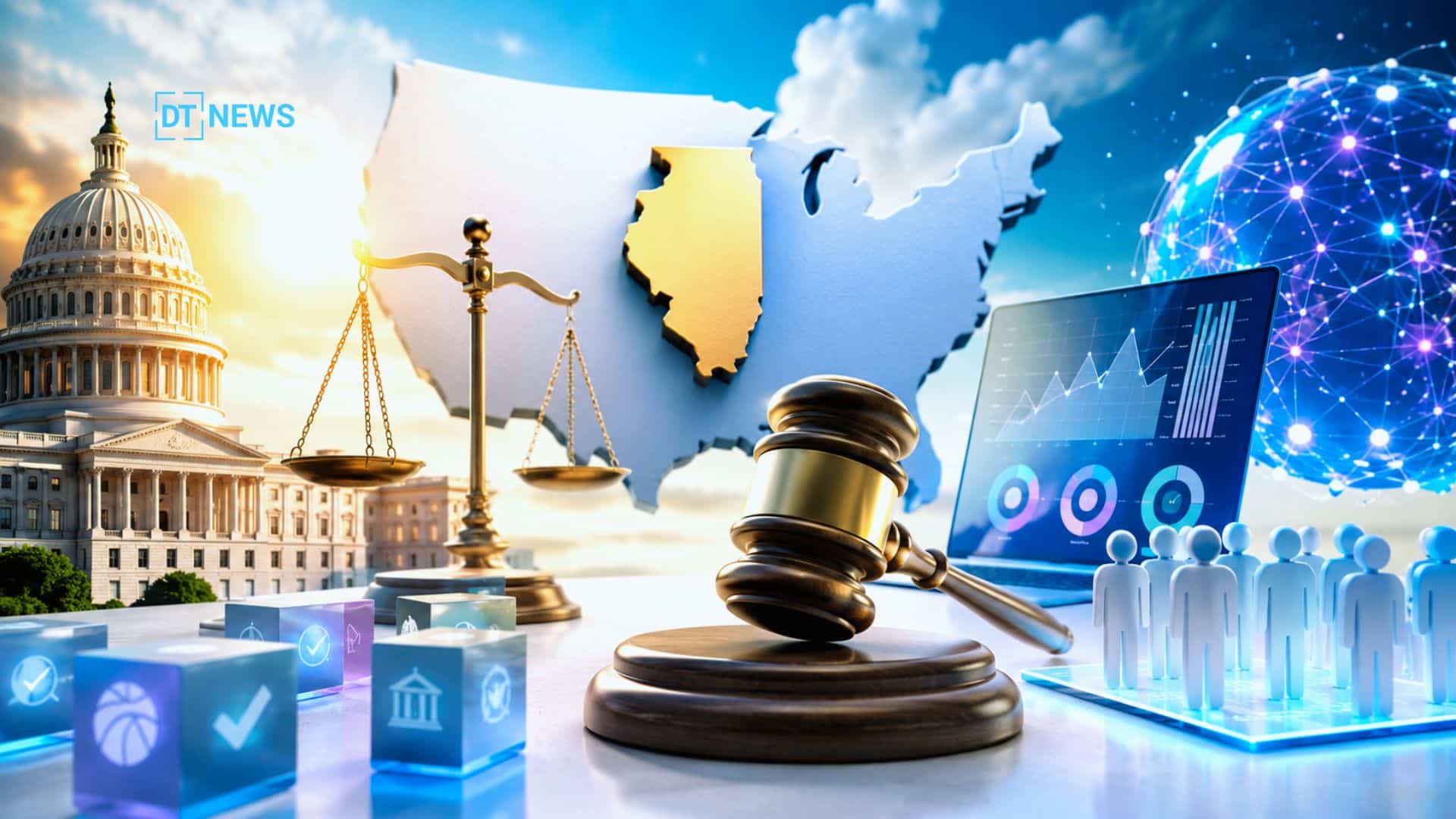

Prediction markets are heading into a defining moment after the CFTC and the Department of Justice launched a historic lawsuit against Illinois. The legal fight could reshape how Americans trade on elections, sports outcomes, inflation data, and economic events across the country.
According to the source, the federal complaint was filed on April 2, 2026, in the U.S. District Court for the Northern District of Illinois. The lawsuit names J. B. Pritzker, Kwame Raoul, and the Illinois Gaming Board as defendants. Federal officials described the case as the first direct federal preemption lawsuit ever brought by the CFTC against a state over event-contract markets.
Prediction Markets Become the Center of a Federal Power Struggle
The CFTC argues that prediction markets fall under the Commodity Exchange Act rather than state gambling laws. Federal regulators say these contracts function as derivatives that help traders hedge risks, discover prices, and measure public expectations around major events.
That distinction now sits at the heart of the case. Illinois regulators believe sports and political contracts resemble unlicensed betting products. The CFTC strongly disagrees and claims federal law leaves no room for state interference.
In a February 2026 opinion piece published by The Wall Street Journal, CFTC Chairman Brian Quintenz warned the agency would “no longer sit idly by” while states challenged federal authority. He also warned regulators that they would “see you in court.” The latest lawsuit follows through on that aggressive stance.
Illinois Pressure on Prediction Markets Started Months Earlier
Illinois began targeting prediction markets in April 2025 when the Illinois Gaming Board issued cease-and-desist letters to Kalshi, Robinhood, and Crypto.com. Regulators treated sports and political event contracts as illegal sports wagering under state law.
Pressure increased again in January 2026 when Illinois warned Polymarket and notified licensed operators that facilitating prediction markets without state approval could violate gambling rules.
The legal battle widened in December 2025 after Coinbase filed Coinbase v. Raoul et al., seeking a declaratory judgment against Illinois officials. That lawsuit argued federal law preempts state restrictions on federally regulated event contracts.
Why the CFTC Believes Prediction Markets Matter
Supporters argue prediction markets serve purposes beyond speculation. Traders often use these markets to hedge financial exposure, track public sentiment, and forecast political or economic outcomes.
Analysts also view prediction markets as information tools. Election traders, for example, frequently react faster than traditional polling systems during major political cycles. Economic contracts tied to inflation or interest rates may also reflect broader market expectations.
The CFTC has overseen similar markets for more than two decades. Federal officials argue that consistent national oversight creates stability and prevents conflicting state rules from disrupting financial innovation.
New Illinois Bills Could Tighten Restrictions Further
Illinois lawmakers have also proposed tougher legislation targeting prediction markets. House Bill 5059 and Senate Bill 4168 would impose licensing rules, restrict users under 21, and potentially ban certain event contracts entirely.
Meanwhile, states including Nevada, Utah, and Massachusetts have launched similar enforcement efforts. Several appellate courts now handle related cases involving federal preemption disputes.
Critics argue prediction markets create loopholes around regulated sports betting industries dominated by FanDuel and DraftKings. However, the CFTC continues drawing a firm legal line between gambling and federally regulated derivatives.
Conclusion
The Illinois lawsuit could become a watershed moment for prediction markets and digital finance regulation in the United States. If the federal government wins, prediction markets may gain nationwide protection under CFTC authority and expand across all 50 states.
If states prevail, the industry could face fragmented rules and mounting legal uncertainty. Either outcome will shape how the CFTC handles emerging financial technologies for years ahead.
Glossary of Key Terms
Prediction Markets: Platforms where users trade contracts tied to future real-world outcomes.
CFTC: The federal agency regulating derivatives and commodity markets in the United States.
Commodity Exchange Act: Federal law governing commodity futures and event-contract trading.
Federal Preemption: A legal doctrine where federal law overrides conflicting state regulations.
Event Contracts: Financial contracts linked to elections, sports, economics, or geopolitical events.
FAQs About Prediction Markets
Why did the CFTC sue Illinois?
The CFTC sued Illinois to stop state gambling laws from applying to federally regulated prediction markets.
Why are prediction markets controversial?
Critics compare them to gambling, while supporters describe them as financial forecasting and hedging tools.
What companies are involved in the dispute?
Kalshi, Polymarket, Robinhood, Crypto.com, and Coinbase all appear in the broader legal conflict.
Could the case reach the Supreme Court?
Yes. Legal experts believe conflicting rulings could eventually force a nationwide Supreme Court decision.