
This article was first published on Deythere.
SEC enforcer resignation has stirred fresh debate across financial and crypto circles. The sudden exit of a key regulator hints at deeper tensions shaping how major cases are handled behind closed doors.
According to the source, the conflict was not just about legal strategy but about how far the agency should go when cases involve politically connected figures. This backdrop has made every high-profile SEC crypto case more sensitive and harder to navigate.
Inside the Clash That Led to the Exit
Margaret Ryan stepped down on March 16 after a brief six-month tenure. Her departure followed internal disagreements over enforcement decisions. Reports suggest she pushed to pursue fraud charges in several cases but faced resistance from leadership.
As noted in “people familiar with the matter”, Ryan’s approach clashed with SEC Chair Paul Atkins and other Republican appointees. This disagreement became a central trigger behind the SEC enforcer resignation.
Notably, the SEC did not respond to requests for comment, and Ryan herself could not be reached. These missing responses add to the uncertainty surrounding the situation.
SEC Enforcer Resignation Highlights Political Pressure
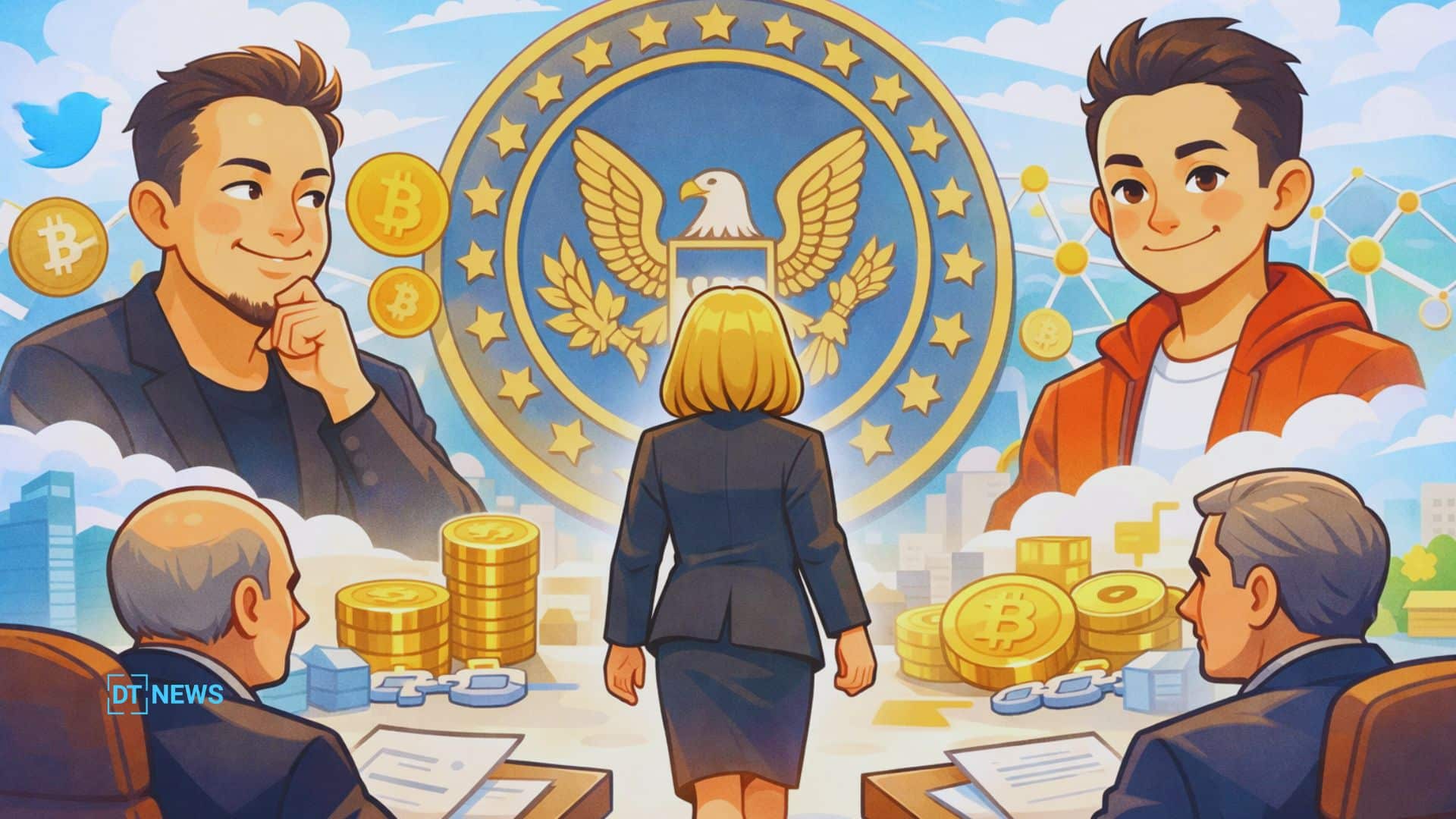
The SEC enforcer resignation also reflects a growing political divide within the agency. Democratic lawmakers have raised concerns about the SEC easing its stance on crypto enforcement.
Several cases launched during the tenure of former chair Gary Gensler have either been dropped or quietly settled. This shift has fueled criticism that political considerations may now influence regulatory outcomes. Each major SEC crypto case now carries added weight, as decisions may signal broader policy direction rather than just legal judgment.
Justin Sun Case Reveals Hidden Friction
The case involving crypto entrepreneur Justin Sun became a key flashpoint. Initially filed in 2023, the SEC accused Sun of selling unregistered securities and engaging in wash trading. Earlier this month, that SEC crypto case ended in a $10 million settlement. Sun and his companies neither admitted nor denied wrongdoing.
However, the situation raised eyebrows when Ryan’s signature did not appear on final court filings. According to “official court documents”, this absence suggested possible internal disagreement.
The case grew more complex as Sun invested heavily in a Trump-linked crypto venture, increasing his stake from $30 million to $75 million. This overlap between politics and finance added pressure that fed into the SEC enforcer resignation.
Musk Lawsuit Adds Another Layer of Tension
Another major SEC crypto case involved Elon Musk and his acquisition of Twitter. Filed in early 2025, the SEC alleged that Musk failed to disclose ownership details in time.
Regulators argued this delay allowed him to buy shares at lower prices. By March 2026, both sides had entered settlement discussions, even though legal experts believed the case had strong merit.
This disagreement over whether to settle or push forward added strain within the agency. It became another factor contributing to the SEC enforcer resignation. For market watchers, this signals that even strong cases may face delays when internal priorities do not align.
Conclusion
The SEC enforcer resignation marks more than a leadership change. It reveals a deeper struggle over how crypto regulation should evolve in a politically charged environment. For investors and developers, the message is clear. The outcome of each SEC crypto case may now depend as much on policy direction as on legal strength.
This moment could shape how trust is built or lost in US crypto regulation. The next steps taken by the SEC will decide whether it can balance innovation with accountability in a fast-changing market.
Glossary of Key Terms
SEC (Securities and Exchange Commission): US regulator responsible for overseeing financial markets and enforcing securities laws.
Wash Trading: Illegal practice where assets are traded to create misleading market activity.
Unregistered Securities: Financial products sold without proper regulatory approval.
Settlement: Legal agreement that resolves a case without admission of guilt.
Enforcement Division: SEC unit responsible for investigating violations and taking legal action.
FAQs About SEC Enforcer Resignation
What caused the SEC enforcer resignation?
Internal clashes over pursuing fraud charges and handling politically sensitive cases led to the resignation.
Why is the Justin Sun case important?
It shows how each SEC crypto case can become complex due to political and regulatory overlap.
What is the Elon Musk lawsuit about?
It involves delayed disclosure of Twitter share purchases, which may have impacted stock pricing.
How does this affect crypto regulation?
It signals a shift where policy and politics may influence future SEC crypto case decisions.