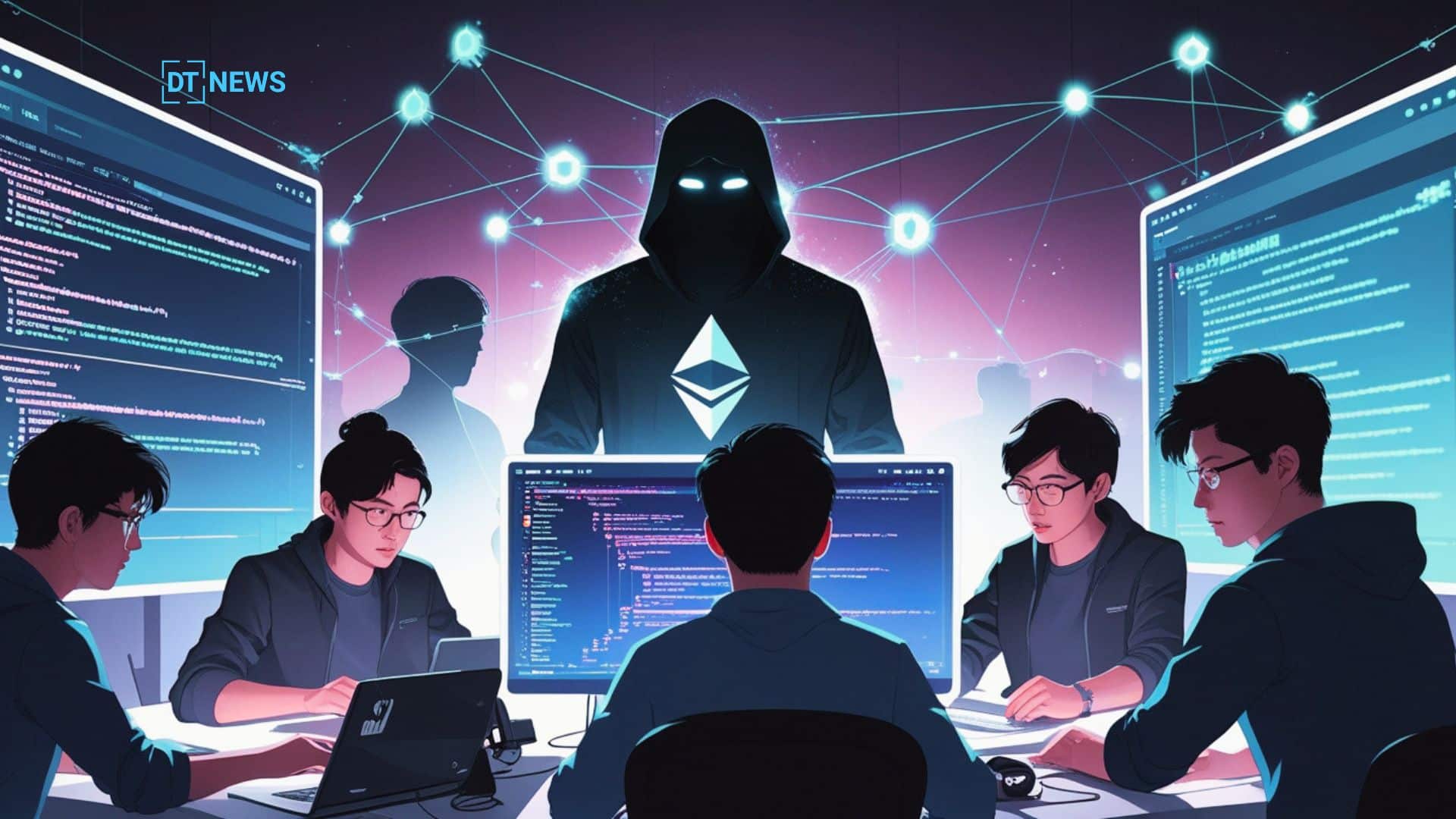

North Korean crypto operatives are no longer working from the shadows alone. They are now entering Web3 firms as trusted insiders, quietly reshaping the security risks across the crypto space. This shift signals a deeper problem that goes beyond traditional hacking.
According to the source, the Ethereum Foundation funded a structured effort that uncovered a hidden network of infiltrators. What began as a public security initiative has now revealed one of the most serious internal threats facing the ecosystem today.
Inside ETH Rangers: A Mission Built to Defend Crypto
The Ethereum Foundation launched its ETH Rangers program in late 2024 to support public goods security work. The initiative provides stipends to independent researchers who focus on protecting the blockchain ecosystem.
During a defined six-month stipend period, one funded effort evolved into the Ketman Project. This project was designed to investigate fake developers embedded within crypto teams. The structured timeline highlights that the findings came from careful, methodical research rather than chance discovery.
North Korean Crypto Operatives Found Across Dozens of Projects
The Ketman Project uncovered around 100 North Korean crypto operatives working inside Web3 organizations under false identities. These operatives blended into teams, built trust, and gained access to sensitive systems without raising early suspicion.
The Ethereum Foundation confirmed that nearly 53 projects were alerted about potential exposure. Each warning pointed to the same unsettling reality. North Korean crypto operatives were not just targeting systems. They were becoming part of them.
“This work directly addresses one of the most pressing operational security threats facing the Ethereum ecosystem today,” the foundation stated in this report, reinforcing the urgency behind these findings.

A Systematic Detection Framework Behind the Discovery
The exposure of North Korean crypto operatives did not rely on isolated clues. It was built on a systematic analysis of operational patterns that revealed consistent behaviors across multiple accounts and environments.
Researchers identified recurring signals such as reused avatars, duplicated GitHub metadata, and accidental leaks of hidden email addresses during screen sharing. In several cases, default system settings like Russian language preferences conflicted with claimed identities. These were not random mistakes. They formed a structured pattern that could be tracked and verified.
Insights shared through this research hub show how these tactics, behaviors, and operational patterns create a repeatable detection model. However, the Ethereum Foundation did not fully disclose its detection methods, which suggests that parts of this framework remain intentionally protected.
A Global Threat Expanding Beyond Crypto
North Korean crypto operatives are part of a broader strategy that has already caused billions of dollars in losses across the digital asset sector. Groups like the Lazarus Group have been linked to some of the largest crypto breaches in recent years.
What makes this threat more dangerous is its evolution. Instead of attacking from outside, North Korean crypto operatives now operate from within. This insider approach allows them to move quietly and avoid detection for long periods.
This growing complexity mirrors wider intelligence trends. Reports such as this update highlight how agencies are exploring AI-driven tools to detect hidden threats, showing that the challenge extends far beyond crypto alone.
To counter this risk, the Ethereum Foundation supported the development of an open-source tool to flag suspicious GitHub activity. It also contributed to a detection framework in partnership with the Security Alliance, aiming to strengthen industry-wide defenses.
Conclusion
North Korean crypto operatives have exposed a critical weakness in the Web3 ecosystem. Trust alone can no longer secure decentralized systems. The human layer has become the new attack surface.
What the Ethereum Foundation is doing represents a shift that we desperately need, which leads to greater verification and ongoing surveillance behavior. And with an ever-growing industry comes the need to challenge that which has appeared unwavering.
North Korean crypto operatives are on the rise and that should be a concern. How the industry reacts to threats that appear as trusted codo will determine the future of crypto security.
Glossary of Key Terms
Web3: A decentralized internet powered by blockchain technology.
DPRK: Official name for North Korea.
GitHub: A platform where developers manage and share code.
Insider Threat: A risk originating from within an organization.
Operational Patterns: Repeated behaviors used to detect suspicious activity.
FAQs About North Korean Crypto Operatives
What are North Korean crypto operatives?
They are individuals linked to North Korea working inside crypto firms using fake identities to access systems.
How were they identified?
Researchers tracked consistent behavioral and technical patterns across developer accounts and activities.
Why is this threat significant?
It allows attackers to operate from within, making detection harder and increasing financial risks.
What role did the Ethereum Foundation play?
The Ethereum Foundation funded the research and supported tools to detect and prevent such infiltration.