
Welcome DT News

  • CONTACT
  • ABOUT US
Deythere
  • Home
  • News
    Bitcoin Miner Reserves Drop 61,000 BTC as Selling Pressure Reshapes Market Dynamics
    BlockchainCryptoMarketMining

    Bitcoin Miner Reserves Drop 61,000 BTC as Public Firms Accelerate Selling

    This article was first published on Deythere. The decline in Bitcoin miner…

    By
    Jane Omada Apeh
    April 17, 2026
    North Korean Crypto Operatives
    EthereumCryptoMarketNews
    Ethereum Foundation Uncovers North Korean Crypto Operatives Inside Web3 Projects
    April 17, 2026
    How CLARITY Act Delay Puts Fresh Pressure on U.S. Crypto Rules
    MarketCryptoNews
    How CLARITY Act Delay Puts Fresh Pressure on U.S. Crypto Rules
    April 17, 2026
    Bitfinex 2016 hack
    BitcoinMarketNews
    Bitfinex Hack Bitcoin Restitution Resurfaces as U.S. Moves BTC to Coinbase
    April 17, 2026
    Pi Network Price
    CryptoMarketNews
    Pi Network Price Stalls Near $0.167 as MACD Signals Momentum Shift
    April 16, 2026
  • Cryptocurrency
    Bitcoin Miner Reserves Drop 61,000 BTC as Selling Pressure Reshapes Market Dynamics
    Bitcoin Miner Reserves Drop 61,000 BTC as Public Firms Accelerate Selling
    8 Min Read
    North Korean Crypto Operatives
    Ethereum Foundation Uncovers North Korean Crypto Operatives Inside Web3 Projects
    6 Min Read
    How CLARITY Act Delay Puts Fresh Pressure on U.S. Crypto Rules
    How CLARITY Act Delay Puts Fresh Pressure on U.S. Crypto Rules
    7 Min Read
    Bitfinex 2016 hack
    Bitfinex Hack Bitcoin Restitution Resurfaces as U.S. Moves BTC to Coinbase
    9 Min Read
    Pi Network Price
    Pi Network Price Stalls Near $0.167 as MACD Signals Momentum Shift
    7 Min Read
    WLFI Governance Proposal Plan Divides Investors Over Token Lock Terms
    WLFI Governance Proposal Signals Damage Control After Investor Backlash
    9 Min Read
    Previous Next
  • Pages
    • Contact Us
    • Customize Interests
    • My Bookmarks
Reading: CBDC Financial Inclusion: Why Governments Need Digital Currencies
Share
Bitcoin Bitcoin (BTC) $77,512.00 3.34%
Ethereum Ethereum (ETH) $2,431.39 3.70%
Tether Tether (USDT) $1.00 0.01%
XRP XRP (XRP) $1.48 2.25%
BNB BNB (BNB) $643.14 1.48%
USDC USDC (USDC) $0.9999 0.00%
Solana Solana (SOL) $89.27 0.07%
TRON TRON (TRX) $0.3275 0.12%
Figure Heloc Figure Heloc (FIGR_HELOC) $1.02 0.76%
Dogecoin Dogecoin (DOGE) $0.1002 1.12%
WhiteBIT Coin WhiteBIT Coin (WBT) $56.33 2.81%
USDS USDS (USDS) $0.9999 0.01%
Hyperliquid Hyperliquid (HYPE) $44.56 2.13%
Cardano Cardano (ADA) $0.2609 0.57%
LEO Token LEO Token (LEO) $10.26 1.13%
Bitcoin Cash Bitcoin Cash (BCH) $455.13 1.85%
Chainlink Chainlink (LINK) $9.66 0.99%
MemeCore MemeCore (M) $3.82 2.64%
Monero Monero (XMR) $347.18 0.57%
Ethena USDe Ethena USDe (USDE) $0.9999 0.03%
Stellar Stellar (XLM) $0.1747 3.68%
Canton Canton (CC) $0.1505 1.11%
Zcash Zcash (ZEC) $329.24 3.63%
RaveDAO RaveDAO (RAVE) $21.53 32.81%
Litecoin Litecoin (LTC) $56.68 1.05%
Bitcoin Bitcoin (BTC) $77,512.00 3.34%
Ethereum Ethereum (ETH) $2,431.39 3.70%
Tether Tether (USDT) $1.00 0.01%
XRP XRP (XRP) $1.48 2.25%
BNB BNB (BNB) $643.14 1.48%
USDC USDC (USDC) $0.9999 0.00%
Solana Solana (SOL) $89.27 0.07%
TRON TRON (TRX) $0.3275 0.12%
Figure Heloc Figure Heloc (FIGR_HELOC) $1.02 0.76%
Dogecoin Dogecoin (DOGE) $0.1002 1.12%
WhiteBIT Coin WhiteBIT Coin (WBT) $56.33 2.81%
USDS USDS (USDS) $0.9999 0.01%
Hyperliquid Hyperliquid (HYPE) $44.56 2.13%
Cardano Cardano (ADA) $0.2609 0.57%
LEO Token LEO Token (LEO) $10.26 1.13%
Bitcoin Cash Bitcoin Cash (BCH) $455.13 1.85%
Chainlink Chainlink (LINK) $9.66 0.99%
MemeCore MemeCore (M) $3.82 2.64%
Monero Monero (XMR) $347.18 0.57%
Ethena USDe Ethena USDe (USDE) $0.9999 0.03%
Stellar Stellar (XLM) $0.1747 3.68%
Canton Canton (CC) $0.1505 1.11%
Zcash Zcash (ZEC) $329.24 3.63%
RaveDAO RaveDAO (RAVE) $21.53 32.81%
Litecoin Litecoin (LTC) $56.68 1.05%

Welcome DT News

  • CONTACT
  • ABOUT US
Deythere
  • Home
  • News
    Bitcoin Miner Reserves Drop 61,000 BTC as Selling Pressure Reshapes Market Dynamics
    BlockchainCryptoMarketMining

    Bitcoin Miner Reserves Drop 61,000 BTC as Public Firms Accelerate Selling

    This article was first published on Deythere. The decline in Bitcoin miner…

    By
    Jane Omada Apeh
    April 17, 2026
    North Korean Crypto Operatives
    EthereumCryptoMarketNews
    Ethereum Foundation Uncovers North Korean Crypto Operatives Inside Web3 Projects
    April 17, 2026
    How CLARITY Act Delay Puts Fresh Pressure on U.S. Crypto Rules
    MarketCryptoNews
    How CLARITY Act Delay Puts Fresh Pressure on U.S. Crypto Rules
    April 17, 2026
    Bitfinex 2016 hack
    BitcoinMarketNews
    Bitfinex Hack Bitcoin Restitution Resurfaces as U.S. Moves BTC to Coinbase
    April 17, 2026
    Pi Network Price
    CryptoMarketNews
    Pi Network Price Stalls Near $0.167 as MACD Signals Momentum Shift
    April 16, 2026
  • Cryptocurrency
    Bitcoin Miner Reserves Drop 61,000 BTC as Selling Pressure Reshapes Market Dynamics
    Bitcoin Miner Reserves Drop 61,000 BTC as Public Firms Accelerate Selling
    8 Min Read
    North Korean Crypto Operatives
    Ethereum Foundation Uncovers North Korean Crypto Operatives Inside Web3 Projects
    6 Min Read
    How CLARITY Act Delay Puts Fresh Pressure on U.S. Crypto Rules
    How CLARITY Act Delay Puts Fresh Pressure on U.S. Crypto Rules
    7 Min Read
    Bitfinex 2016 hack
    Bitfinex Hack Bitcoin Restitution Resurfaces as U.S. Moves BTC to Coinbase
    9 Min Read
    Pi Network Price
    Pi Network Price Stalls Near $0.167 as MACD Signals Momentum Shift
    7 Min Read
    WLFI Governance Proposal Plan Divides Investors Over Token Lock Terms
    WLFI Governance Proposal Signals Damage Control After Investor Backlash
    9 Min Read
    Previous Next
  • Pages
    • Contact Us
    • Customize Interests
    • My Bookmarks
Reading: CBDC Financial Inclusion: Why Governments Need Digital Currencies
Share
Bitcoin Bitcoin (BTC) $77,512.00 3.34%
Ethereum Ethereum (ETH) $2,431.39 3.70%
Tether Tether (USDT) $1.00 0.01%
XRP XRP (XRP) $1.48 2.25%
BNB BNB (BNB) $643.14 1.48%
USDC USDC (USDC) $0.9999 0.00%
Solana Solana (SOL) $89.27 0.07%
TRON TRON (TRX) $0.3275 0.12%
Figure Heloc Figure Heloc (FIGR_HELOC) $1.02 0.76%
Dogecoin Dogecoin (DOGE) $0.1002 1.12%
WhiteBIT Coin WhiteBIT Coin (WBT) $56.33 2.81%
USDS USDS (USDS) $0.9999 0.01%
Hyperliquid Hyperliquid (HYPE) $44.56 2.13%
Cardano Cardano (ADA) $0.2609 0.57%
LEO Token LEO Token (LEO) $10.26 1.13%
Bitcoin Cash Bitcoin Cash (BCH) $455.13 1.85%
Chainlink Chainlink (LINK) $9.66 0.99%
MemeCore MemeCore (M) $3.82 2.64%
Monero Monero (XMR) $347.18 0.57%
Ethena USDe Ethena USDe (USDE) $0.9999 0.03%
Stellar Stellar (XLM) $0.1747 3.68%
Canton Canton (CC) $0.1505 1.11%
Zcash Zcash (ZEC) $329.24 3.63%
RaveDAO RaveDAO (RAVE) $21.53 32.81%
Litecoin Litecoin (LTC) $56.68 1.05%
Bitcoin Bitcoin (BTC) $77,512.00 3.34%
Ethereum Ethereum (ETH) $2,431.39 3.70%
Tether Tether (USDT) $1.00 0.01%
XRP XRP (XRP) $1.48 2.25%
BNB BNB (BNB) $643.14 1.48%
USDC USDC (USDC) $0.9999 0.00%
Solana Solana (SOL) $89.27 0.07%
TRON TRON (TRX) $0.3275 0.12%
Figure Heloc Figure Heloc (FIGR_HELOC) $1.02 0.76%
Dogecoin Dogecoin (DOGE) $0.1002 1.12%
WhiteBIT Coin WhiteBIT Coin (WBT) $56.33 2.81%
USDS USDS (USDS) $0.9999 0.01%
Hyperliquid Hyperliquid (HYPE) $44.56 2.13%
Cardano Cardano (ADA) $0.2609 0.57%
LEO Token LEO Token (LEO) $10.26 1.13%
Bitcoin Cash Bitcoin Cash (BCH) $455.13 1.85%
Chainlink Chainlink (LINK) $9.66 0.99%
MemeCore MemeCore (M) $3.82 2.64%
Monero Monero (XMR) $347.18 0.57%
Ethena USDe Ethena USDe (USDE) $0.9999 0.03%
Stellar Stellar (XLM) $0.1747 3.68%
Canton Canton (CC) $0.1505 1.11%
Zcash Zcash (ZEC) $329.24 3.63%
RaveDAO RaveDAO (RAVE) $21.53 32.81%
Litecoin Litecoin (LTC) $56.68 1.05%
  • Home
  • Crypto
  • Market
  • News
  • Blockchain
  • Contact
Search
  • Home
  • News
  • Cryptocurrency
  • Pages
    • Contact Us
    • Customize Interests
    • My Bookmarks
Have an existing account? Sign In
Follow US
© DT News. All Rights Reserved.
Deythere > News > Market > Trading > CBDC Financial Inclusion: Why Governments Need Digital Currencies
BlockchainCryptoMarketNewsTrading

CBDC Financial Inclusion: Why Governments Need Digital Currencies

CBDC Financial Inclusion: Why Governments Need Digital Currencies
Jane Omada Apeh
Last updated: March 27, 2026 12:15 pm
By
Jane Omada Apeh
Published March 28, 2026
Share

There are still about 1.4 billion adults globally who have no bank account. Affordable access to payments, savings, credit and insurance, which constitute financial inclusion, drives growth and resilience in economies. 

Contents
  • What is a CBDC?
  • Why Financial Inclusion Matters
  • How CBDCs Can Boost Financial Inclusion
  • Case Studies and Results
  • Challenges and Criticisms
  • Conclusion
  • Glossary
  • Frequently Asked Questions About CBDC Financial Inclusion 
    • What’s a CBDC and how does it differ from crypto?
    • What does a CBDC do for unbanked people, and how?
    • Will the general public need the internet or smartphones to utilize CBDCs?
    • Will CBDCs make cash and banks obsolete?
    • Is there a risk to CBDCs?
      • References

In the search for solutions, governments have jumped on central bank digital currencies (CBDCs), imagining them as the answer to reaching unbanked populations. 

Early evidence indicates that CBDCs in developing countries have the potential to bank large unbanked populations and increase financial inclusion.

What is a CBDC?

A CBDC (Central Bank Digital Currency) refers to a digital version of a nation’s fiat currency; issued directly by the central bank. Unlike private cryptocurrencies or stablecoins; a CBDC is backed by the state and is legal tender. 

A CBDC could be implemented in different ways, but generally act like digital cash stored in digital wallets controlled by individuals or businesses. They could be either retail CBDCs (available to the public) or wholesale CBDCs (limited to banks). 

Some characteristics of a retail CBDC include:

Digital Wallets or Accounts: Users receive digital currency in a secure wallet, typically via smartphone or a card.

Two-tier: CBDC is often not issued directly to citizens, but via commercial banks or telecom partners.

Offline Capability (optional): Consequently; some designs allow transactions when there is no internet connection; this is essential in areas with poor connectivity.

Programmability: CBDCs could support smart contracts for payments automation (e.g.; time-locked transfers).

A CBDC is important and complements cash; not replaces it. A CBDC that accepts modest deposits for a fair price should complement, not replace, with an eye toward inclusion to ensure unbanked people have at least two ways to transact.

CBDC Financial Inclusion: Why Governments Need Digital Currencies

Why Financial Inclusion Matters

As the World Bank states, inclusive finance fuels growth and resilience, yet 1.4 billion men and women still live without a bank account anywhere in the world. Such adults have limited access to savings, borrowing or receiving electronic payments, which keeps many trapped in poverty and informal economies. 

Digital financial services like mobile money, fintech apps, have started to bring down the costs and widen access but gaps are persistent, particularly in rural areas, among women and in the poorest countries.

Many of the UN’s Sustainable Development Goals aim to improve inclusion, and in some countries, it’s actually a mandate for central banks. A CBDC in a developing economy, for example could increase lending and welfare if it brings the unbanked into the system, IMF research says. The gain comes in two ways:

Incentivize Accounts. A retail CBDC is usually issued on the condition of users holding a basic account or digital wallet. That can encourage unbanked citizens to establish accounts they otherwise could not access, enlarging the customer base at financial services.

Build Credit Histories. As more people use digital payments, through a CBDC, their transaction data can, with appropriate privacy protections,  be used to create credit profiles. According to the IMF, data from CBDC usage allows for the building of credit and reduces information asymmetry in lending.

That means low-income households could access loans and other services.

In brief, designating a safe, official digital currency can make governments’ need for cash and informal channels less challenging. Underbanked citizens get a route to modern payment tools, government disbursements and formal savings.

How CBDCs Can Boost Financial Inclusion

Supporters say CBDCs can help bypass many inclusion barriers.

Lower Fees and Improved Payments: Traditional banking costs can be high (account fees, ATM fees). A CBDC can enable free or low-cost digital payments. A rural villager, for instance, could receive government aid or wages on their digital wallet without having to go out to find a bank. Programmable CBDCs could also automate the timely distribution of social benefits or subsidies.

Banking the Unbanked: In lots of Countries, people lack ID or trust in banks. CBDCs can also tie in with lower friction digital ID or KYC. Governments can then extend formal finance to more citizens by simplifying sign-up (e.g., enabling basic wallets with minimal documentation). 

Even if CBDCs are distributed via mobile money networks, those who use mobile payments can easily access digital currency without going to a traditional bank.

Access to Financial Safety Net: CBDCs can facilitate peer-to-peer transfers directly, which allows for a greater amount of social safety net. A 2025 IMF paper concludes that Welfare Payments via CBDCs Could Transform SSN Delivery by allowing agencies to automate transfers and directly monitor transactions. Although faster payment rails already exist, CBDCs provide programmability and transparency. For inclusion, this means that poorer recipients receive payments immediately and visible, minimizing leakage.

Facilitating Remittances and Cross-Border Flows: A huge share of the unbanked population depends on remittances. CBDCs if interoperable; could potentially reduce remittance fees and time taken for money to transfer; indirectly aiding inclusion by increasing the income of low-income households.

Experts warn that success for CBDCs will depend on a proportionate, risk-based approach and supportive complementary policies. 

In other words, CBDCs aren’t magic by themselves; they need to be designed and put in place with attention to user needs, consumer protection and existing infrastructure.

Case Studies and Results

Here are some projects and their inclusion efforts:

Bahamas – Sand Dollar: The Sand dollar was the first retail CBDC, launched in 2020. One goal was to enhance service to remote islands and tourism locations. The early data showed that the number of digital wallets shot up; including among older and rural residents. 

However, a study from 2026 found that the Sand Dollar coincided with the decline of traditional bank deposits and accounts, too. 

Caribbean and Latin America: Several central banks, from Jamaica to the Eastern Caribbean, cite inclusion as a goal. For example, Jamaica’s planned CBDC scheduled for late 2026 is explicitly designed to target rural access, by enabling transactions outside of banking branches. 

In Latin America, smaller nations consider CBDCs to bring informal workers into the taxation and social welfare systems.

China – Digital Yuan: The e-CNY (digital yuan) of the People’s Bank of China is the world’s largest CBDC project. Inclusion isn’t its only motivation, but it’s been used in rural places and cash-scarce cities alike to ensure that everybody has access to digital payments. Trials in Shenzhen have been targeted to elderly citizens and cash-like offline methods to target even those without smartphones.

Overall, the results have been uneven, a reminder that execution is everything.
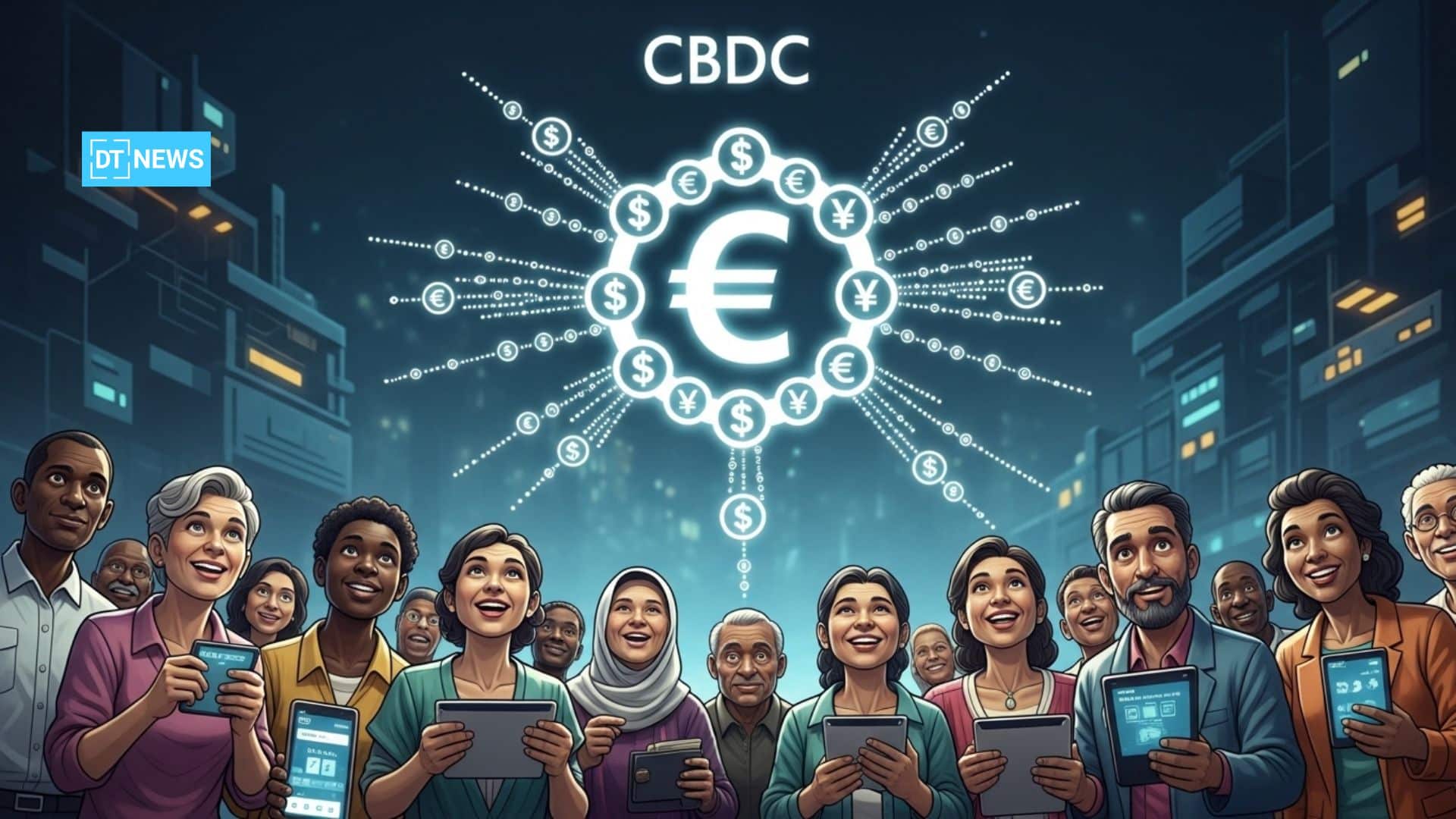
CBDC Financial Inclusion: Why Governments Need Digital Currencies
CBDC Financial Inclusion

Challenges and Criticisms

Using CBDCs for inclusion is not without controversy.

Digital Divide: As mentioned, if citizens don’t have smartphones or Internet, they can’t use a typical digital wallet. Solutions like smart cards or community access points are needed. Without these types of measures, a CBDC may reach only the “banked poor” and leave the hardest cases stranded.

Privacy Concern: Lack of privacy might discourage users from accepting a fully traceable CBDC wallet. Designing for inclusion is about balancing anonymity (as with cash) and combating crime. Many experts call for a compromise like allowing low-value anonymous transactions to facilitate trust.

Banking Sector Impact: A universal CBDC would draw deposits away from banks especially if it pays interest or is perceived as safer. To avoid posing a threat to financial stability, many countries are considering two-tier systems or limits on how much CBDC an individual can hold.

Cost/Complexity: Infrastructure (Security, offline tech, customer support etc) needs to be built. Critics wonder whether simpler measures like encouraging mobile banking or e-wallets linked to telecom accounts, could achieve similar inclusion goals more economically.

In spite of these issues, financial inclusion remains one of the potential benefits of CBDCs, as generally agreed upon by central banks and other international bodies. 

The IMF and World Bank continues to research and provide guidance on best practices.

Conclusion

CBDC financial inclusion is a promising but also challenging goal for governments in 2026. 

 IMF studies conclude that well-designed retail CBDCs can indeed “bank large unbanked populations” and enhance lending and welfare. 

Policymakers are also interested in CBDCs for their potential to deliver payment services and credit directly to citizens; including those without traditional bank accounts. 

For success; there’s a need for inclusive design: offline access, cash complementarity, privacy protection and integration with local needs.

In short, CBDCs can help widen access to financial services if undertaken thoughtfully. 

Glossary

Central Bank Digital Currency (CBDC): A digital version of a country’s currency issued by the central bank. It behaves like electronic cash and can be held by the public in digital wallets.

Financial Inclusion: Individuals and businesses having access to useful and affordable financial products (payments; savings, loans; insurance) that meet their needs.

Unbanked/Underbanked: People without (unbanked) or very limited (underbanked) access to traditional banking services.

Two-tier System: A model through which the central bank distributes the CBDC to commercial banks or other institutions; and those entities issue it to the general public.

Frequently Asked Questions About CBDC Financial Inclusion 

What’s a CBDC and how does it differ from crypto?

Central Bank Digital Currency (CBDC) is a digital currency issued and regulated by the central bank which serves as a legal tender for any transaction that operates within the jurisdiction of that country. A CBDC; unlike cryptocurrencies (such as Bitcoin) or private stablecoins, is government-backed legal tender. It is in essence; as good as electronic money or digital cash. 

What does a CBDC do for unbanked people, and how?

A central bank digital currency (CBDC) can assist unbanked citizens to hold money in a digital format without the need for traditional banks. For instance, it could allow someone to hold digital cash in a phone application or on a prepaid card funded by government aid or cash conversion. 

Will the general public need the internet or smartphones to utilize CBDCs?

Not necessarily. Most designs rely on smartphone apps but some CBDC projects offer offline solutions. For example, CBDC can be hosted on smart cards or devices which sync later once connected. 

Will CBDCs make cash and banks obsolete?

No, as a means for inclusion, CBDCs should supplement cash and banks not replace them. Cash is still essential for many, especially the poorest. 

Is there a risk to CBDCs?

Yes. If people transfer huge amounts from bank accounts to CBDCs (because it’s supposedly safer) banks would lose deposits and lending would shrink, endangering financial stability. Privacy is another issue: if every transaction can be tracked, users might not trust the system. 

References

IMF

Worldbank

Kansas

NDIC

Disclaimer: The content provided in this article is for informational purposes only and should not be considered financial advice. That said, there will be variations in the outcomes of CBDC initiatives based on policy details and country context.


Advertising

For advertising inquiries, please email . [email protected] or Telegram

Altcoin Rally Gains Steam After Bullish Retest

IMF and El Salvador Keep Negotiating Bitcoin Policy as Chivo Wallet Sale Nears

Tariff Softening Lifts Crypto Sentiment After Trump and Xi Talks

Bhutan Unveils Sovereign Gold-Backed Token TER on Solana

Bitcoin Whale Accumulation Hits $4.7B as ETFs See Outflows

TAGGED:CBDCCBDC EuropeCBDC Financial Inclusioncentral bank digital currencyFinancial InclusionRetail CBDCUnbanked

Sign Up For Daily Newsletter

Be keep up! Get the latest breaking news delivered straight to your inbox.
By signing up, you agree to our Terms of Use and acknowledge the data practices in our Privacy Policy. You may unsubscribe at any time.
Share This Article
Facebook Email Copy Link Print
ByJane Omada Apeh
Follow:
Omada is a dedicated crypto journalist with a passion for making the fast-paced world of digital assets understandable and engaging. With years of experience covering cryptocurrency and blockchain innovation, she offers readers more than just the headlines. She provides context, clarity, and depth. Her work spans everything from market trends and regulatory updates to emerging technologies and real-world use cases that are shaping the future of finance. Omada strives to bridge the gap between complex crypto concepts and everyday readers, ensuring that both seasoned investors and curious newcomers can find value in her insights. Her mission is simply to inform, inspire, and keep her audience one step ahead in the ever-evolving crypto universe.
Previous Article image 596 Missed PNUT and SPX Gains? APEMARS Stage 13 Presale Might Be the Next 100x Crypto to Stake Early
Next Article blockchain philanthropy Africa Is Crypto Philanthropy Transforming Africa or Falling Short?
Leave a Comment

Leave a Reply Cancel reply

Your email address will not be published. Required fields are marked *

Bitcoin
BitcoinBTC
$77,515.00
24h Volume
$61.10B
Market Cap
$1.55T
24h Low / High
$74,587.00 / $78,240.00
24h ▲3.35%
7d ▲5.96%
Subscribe to our newslettern

Get Newest Articles Instantly!

Popular News
image 345
Missed Pepe and SHIB’s Potential? Join APEMARS’ Best Crypto Presale Preparing The Next 4,297% Run
image 94
How APEMARS Stage 15 + EASTER100 Bonus Could Outperform ApeCoin and Baby Doge Coin – Next 100x Meme Coin to Buy Explained
image 98
Pepe Dips, Pump.fun Pulls Back While APEMARS Stage 15 Soars with EASTER100: Best Meme Coin to Buy Today with Explosive ROI
image 102
Top 12 Cryptos Right Now: Get APEMARS ($APRZ) at Stage 15 Price $0.0001967 With EASTER100 Bonus – Best Crypto to Buy Today?
image 109
Regret Missing Ondo and Official Trump? Don’t Miss APEMARS Stage 15 – Best Meme Coin Presale to Buy with Over $370K Raised
image 112
Top 10 Altcoins To Buy For Exponential Gains: APEMARS Stage 15 Ranks #1 As The Best Crypto Presale to Buy Now 
image 115
Missed PEPE and SHIB Runs? APEMARS’ Best Crypto Presale Surges Past $370K in Early Momentum Build-Up
image 121
Don’t Miss Out Again: APEMARS Stage 15 Offers Investors a Second Chance After Missing MemeCore and Pepe – Top Meme Coin Presale 2026

Follow Us on Socials

We use social media to react to breaking news, update supporters and share information

Twitter Youtube Telegram Linkedin
Deythere

DT News influence 20 million users and is the number one business blockchain and crypto news network on the planet.

Subscribe to our newsletter

You can be the first to find out the latest news and tips about trading, markets...

Menu

  • Home
  • News
© DT News. All Rights Reserved.
Banner 1
Banner 2
Welcome Back!

Sign in to your account

Username or Email Address
Password

Lost your password?

  • English