
Over the past week, on March 17, 2026, Mastercard announced that it was acquiring a London-based BVNK which is an infrastructure platform for stablecoins; with a deal value of up to $1.8 billion. Instead of launching its own branded cryptocurrency, Mastercard is rolling out blockchain payment rails within its existing system.
Experts agree that by owning the infrastructure layer, Mastercard will have a say in all stablecoin transactions. This is a balance that allows for keeping partners happy and not dealing with the legal influx of being a token issuer.
| Metric | Value / Notes |
| Deal | Mastercard to buy BVNK (stablecoin infrastructure) for up to $1.8B |
| Mastercard Focus | Integrate stablecoin and tokenized payment rails into its network |
| BVNK Fact | Processes >$30B/year; infrastructure in 130+ countries |
| Regulatory Trend | GENIUS Act (July 2025) and EU MiCA provide clearer rules for stablecoins |
| Competitors | Visa (USDC partnerships, stablecoin pilots), Stripe (Bridge/USDC), Coinbase |
Mastercard’s Acquisition of BVNK: Broadening Crypto Payments
Mastercard stablecoin infrastructure objective is to bridge fiat and blockchain-based settlement networks. BVNK does not mint any coin, it only acts as a system for banks and fintechs to send and receive stablecoins and tokenized deposits across several chains.
The transaction enhances capabilities to further support choice in how people and businesses exchange value, Mastercard said.
BVNK’s platform enables firms to convert and settle fiat currencies and cryptocurrencies, including stablecoins, for 24/7 cross-border payments.
BVNK’s clients extend to global payment processors such as Worldpay, Deel, etc.; which already transfer money within seconds on blockchains.
The Mastercard stablecoin infrastructure deal is worth up to $1.8 billion ($300 million in earn-outs). Founded in 2021, BVNK processes over $25 billion annually and is licensed across 130+ jurisdictions. Its technology and compliance licenses help bridge fiat and stablecoins across multiple top blockchain networks.
“Building similar capabilities for our business in-house would take quite a bit of time,” said Mastercard’s Chief Product Officer Jorn Lambert, claiming the acquisition fast-tracks Mastercard into blockchain payments.
The company added that “most financial institutions and fintechs will in time be able to offer digital currency services, whether that’s through stablecoins or tokenized deposits”.
In other words, for Mastercard, stablecoins are yet another brand of digital money that needs to integrate smoothly into its existing card network.
Why Not a Mastercard Stablecoin?
At first glance, one might ask; why not simply design a Mastercard stablecoin instead of buying a Mastercard stablecoin infrastructure? A Mastercard token could potentially leverage its brand and network but analysts and experts cite several reasons not to.
The issuance of a stablecoin essentially renders a company as a regulated financial issuer. Other new laws such as the U.S. GENIUS Act and EU MiCA impose strict reserve and transparency rules on stablecoin financial issuers.
Congress’s GENIUS Act which passed in July 2025, for instance, requires stablecoin issuers to maintain liquid reserves and subject themselves to something like bank supervision. Making such rules happen across countries would be a huge operational headache for Mastercard.
A stablecoin issuer needs to have 1:1 reserves (cash, government debt) backing each token. This uses up capital and exposes them to market shifts. If many users redeem tokens at the same time, the issuer needs to deal with liquidity risk and can even accrue loss. Meanwhile, BVNK acquisition allows a reserve manager without putting Mastercard’s balance sheet at risk.
Mastercard’s business relies on partnerships with banks and fintechs. Issuing its own stablecoin could compete with tokenized deposits and stablecoins offered by those partners.
Issuing a stablecoin would risk placing Mastercard in direct competition with key collaborators. By being neutral through the provision of infrastructure, Mastercard is able to work with all partners equally.
Industry observers argue that control of infrastructure matters a lot more than control over an individual token. While an issuer only benefits when their own coin gets used, an infrastructure provider can make money with every transaction of any token. Mastercard can accept all these popular stable coins like USDC, USDT, and new tokenized money, and derive value from all of them.
Here’s a look at the two strategies side by side:
| Factor | Issuing a Mastercard Stablecoin | Acquiring Infrastructure (BVNK) |
| Regulatory Compliance | Becomes a regulated issuer (bank-like reserves, audits) | Buys a company already licensed globally, reducing Mastercard’s regulatory setup burden |
| Balance Sheet Impact | Must hold large cash reserves; risk of sudden redemptions | No need for new reserves; Mastercard can avoid direct asset backing risks |
| Partner Relations | Could conflict with banks/fintech partners issuing tokens | Remains neutral, enabling partner-issued stablecoins and tokenized deposits without competition |
| Revenue Model | Earn fees only on one token’s transactions | Earn fees on all supported tokens’ transactions (USDC, USDT, CBDCs, etc.) |
| Market Reach | Limited to one coin’s adoption | Scales with the whole stablecoin ecosystem’s growth |
| Time to Market | Slow (need licenses, build trust, tech) | Fast (acquire existing infrastructure, talent, licenses) |
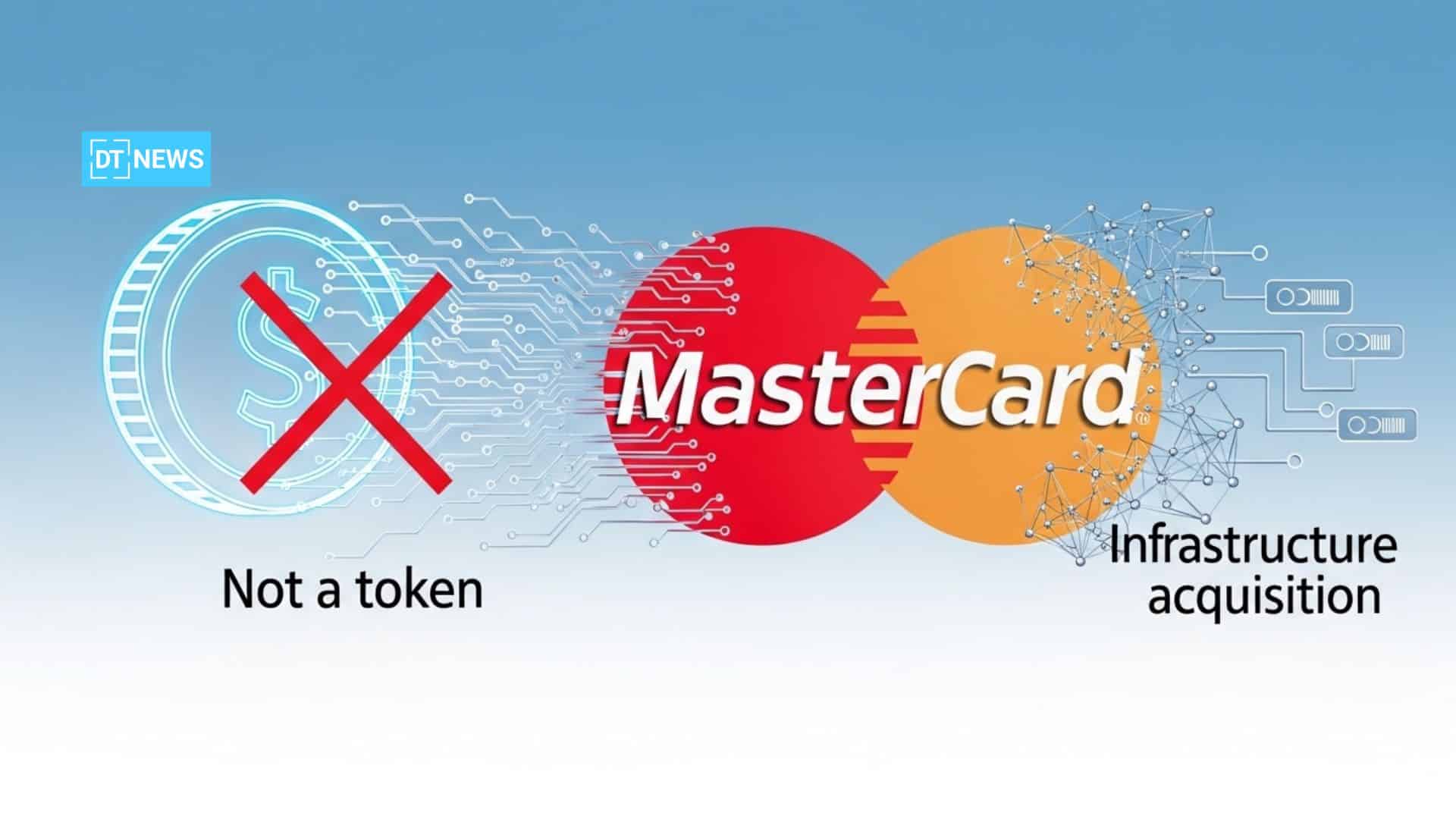
This analysis describes why Mastercard is buying stablecoin infrastructure instead of a token. It locks in broad capabilities at the same time as averting the downside of token issuance.
Competing In Crypto Payments Race
Mastercard is not the only company that sees potential in stablecoins. Visa has gone through that route, forming partnerships, rather than exercising ownership.
Visa partnered with Coinbase and Circle to allow for USDC payments and launched pilot programs (i.e. Visa Direct stablecoin settlement).
Mastercard’s acquisition, on the other hand, is taking things a step further. It is owning the middleware rather than just partnering with it.
There are others in this race as well. Stripe purchased Bridge (now part of Shopify) in a bid to integrate USD Coin issuance; and has also filed for a crypto trust bank for issuance tokens under direct supervision.
Other crypto exchanges like Coinbase had previously looked at BVNK in talks to buy for $2B but didn’t proceed. That’s when Mastercard stepped in.
Reports claim that Coinbase wanted BVNK because stablecoin infrastructure is important to crypto-native firms. Mastercard wanted BVNK because that very same infrastructure is now of value to existing payment firms .
In other words, everyone seems to agree that the licensing, compliance, conversion and payout services that bridge stablecoins to existing money systems are too valuable to be ignored.
The BVNK buy gives Mastercard an opportunity to connect cards, accounts and stablecoins in a single network.
Regulatory Context and Market Trends
In July 2025, the U.S. passed the GENIUS Act, which established a federal framework for dollar-backed stablecoins. In 2024, Europe’s MiCA regulation came into force, establishing rules for crypto assets. This newfound clarity has given institutional players confidence.
Standard Chartered recently cautioned that stablecoins could siphon off $500 billion of deposits from U.S. banks by 2028, noting the growing weight of stablecoins in finance.
A press release from Mastercard, which is similar in scope to Visa’s, also references BCG research that had predicted a $350 billion of stablecoin transaction volume by 2025.
Such figures, though small by global payments standards, lead to a change in how money flows. Cross-border remittances and B2B payouts, for example, are cheaper and faster on stablecoin rails. But Mastercard’s deal to combine it with BVNK’s system means that its platform benefits from even more payment options via fiat and blockchain rails.
Mastercard’s chief executive, Michael Miebach, has pitched the crypto era not as a substitute for cards but as an enhancement of them. As Jorn Lambert described on calls in recent weeks, stablecoins and tokenized deposits represent the next generation of money, and Mastercard is standing as a trusted rail that connects them to conventional payments.
This acquisition is meant to help ensure that Mastercard is at the center of all money movement, whether it is denominated in dollars, euros or tokens.
Conclusion
Right now, Mastercard stablecoin infrastructure is the heart of the company’s crypto strategy. Mastercard’s decision to bring in BVNK stresses the importance of interoperability and scale.
Owning the middleware that connects fiat and blockchain payment rails, Mastercard sidesteps the regulatory complications and partner conflicts associated with issuing a coin.
Rather, it places itself to collect fees on all new digital currencies that will rise. Mastercard’s move will help determine how these new payment systems integrate with the global economy.
It means Mastercard will link cards, bank accounts and crypto wallets into a single network, allowing consumers and businesses to use stablecoins with as much ease and confidence as any Mastercard transaction.
Glossary
Stablecoin: A cryptocurrency that is pegged to a stable asset (such as USD). It’s structured to maintain a constant value (like $1).
Blockchain Network (On-Chain): A distributed ledger such as Ethereum, Bitcoin, or newer chains in which records of transactions are stored.
Infrastructure (in crypto payments): Software and regulatory framework that connects blockchain networks into legacy finance.
Tokenized Deposit: a digital representation of a currency deposit in a traditional bank issued on the blockchain. It’s basically a bank-issued blockchain asset version of a stablecoin.
Fiat Rail: Existing financial payment systems (bank wires, credit card networks) that transfer government currency (USD, EUR etc.).
Frequently Asked Questions About Mastercard Stablecoin Infrastructure
What is BVNK?
BVNK, a UK-based fintech launched in 2021, offers stablecoin payments and tokenized assets infrastructure. Its platform allows clients (such as banks and payment processors) to send/receive stablecoins between major blockchains, converting between those and fiat currencies.
Why did Mastercard acquire BVNK rather than build its own stablecoin?
Issuing a stablecoin would make Mastercard a regulated issuer, which would require large reserves, audits and banking licenses. It also could pit Mastercard against its own bank and fintech partners that may issue coins. In purchasing BVNK Mastercard avoids all of these challenges and are able to support any major stablecoin (e.g. USDC, USDT).
What does this mean for consumers and businesses?
In the end, customers and merchants would have more payment options. For example, users might want to pay a vendor, they can send them stablecoins via a Mastercard-linked account or a company may take payouts in whatever stablecoin they’d prefer.
Does that mean Mastercard will never have its own token?
There are no plans to launch a Mastercard stablecoin. Current statements emphasize infrastructure. Analysts believe Mastercard is not expected to issue a token in the near future, as it favors using existing regulated stablecoins and tokenized deposits.