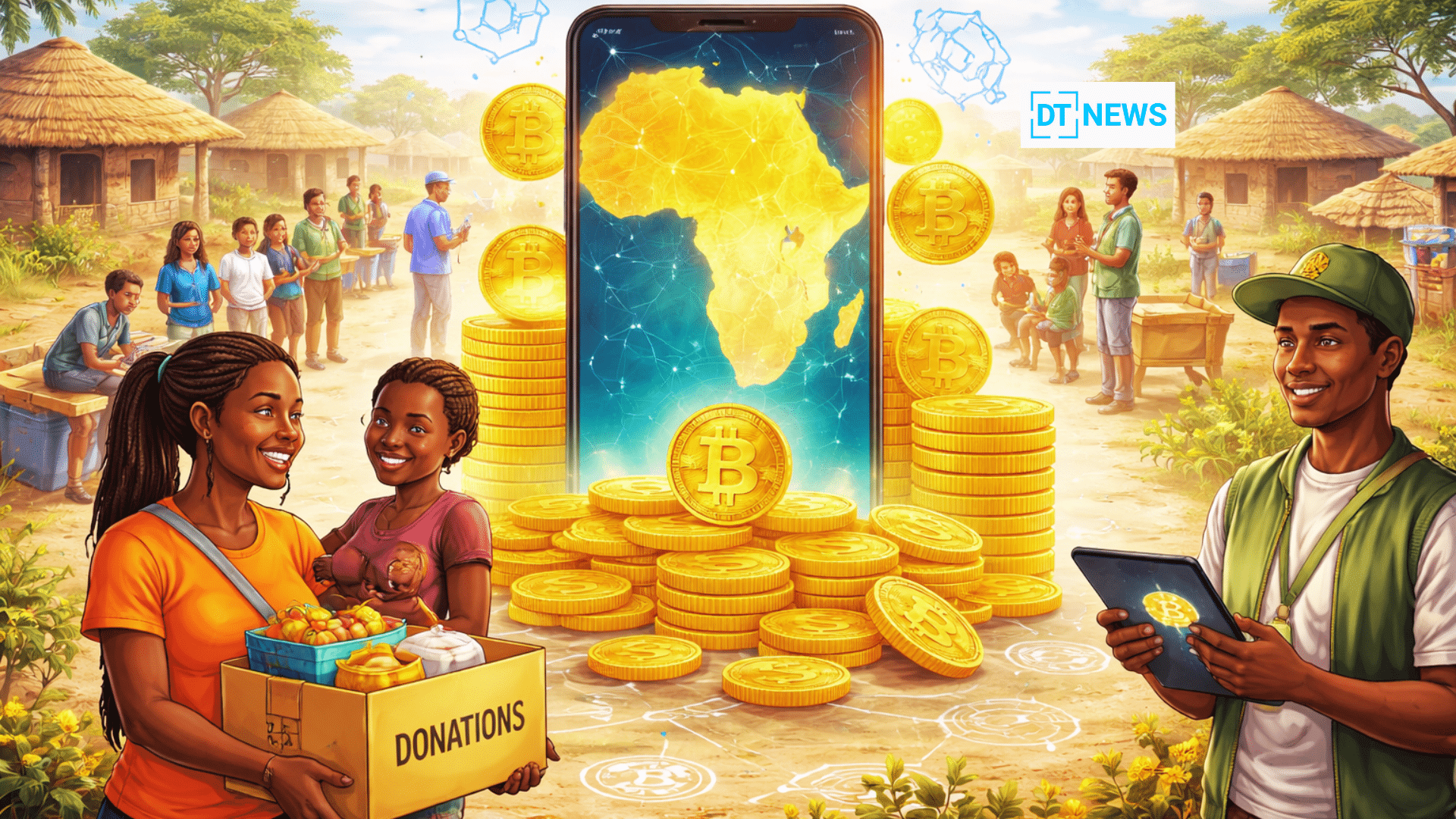

Crypto philanthropy Africa is increasingly shaping charitable giving across the continent, yet its real-world impact remains a subject of debate. Over the past decade, crypto philanthropy has grown from niche experiments to a $1 billion force in 2024, according to The Giving Block.
Blockchain’s transparency, low-cost transfers, and global reach are real advantages, but they are only tools, not guarantees of impact. While crypto fundraising can mobilize capital quickly, Africa’s communities often face short-term relief instead of sustainable systems, highlighting the need for a more mature, governance focused approach.
What Is Crypto Philanthropy Africa and Why Does It Matter?
Crypto philanthropy Africa means using blockchain technology to support charitable activities, such as cryptocurrency donations, NFT projects, and token-based fundraising. It offers faster transfers across borders, lower costs for moving funds, and records that cannot be changed, which can help reduce fraud and make it easier to track where money goes.

These advantages are real, but they are only the first step. Experts warn that just being able to see transactions on the blockchain does not ensure that projects actually help people. Dr. Amina Bello, a development economist, said, “A transaction hash cannot confirm whether infrastructure continues to function or communities still benefit. True impact requires local oversight, not just digital traceability.”
What Makes Crypto Philanthropy Africa Struggle?
Many initiatives on the continent operate as short-term events, from token launches to NFT drops. These campaigns generate attention and capital but rarely establish long-term systems. Public good projects, such as schools, clinics, and clean water networks, require multi year investment, maintenance schedules, and local governance.
Without local ownership, failure is often inevitable. Communities are treated as end users rather than stewards. Once funding or initial excitement wanes, projects deteriorate. The result is dependency, not empowerment.
How Can Transparency Help and Where Does It Fall Short?
Blockchain transparency can improve traceability and reduce information asymmetry between donors and NGOs. On-chain records show when funds move and who authorized them, which is a clear improvement over traditional charity methods.
Academic research notes that traceability alone doesn’t ensure accountability without systems measuring real-world results. When used right, on-chain records can back accountability. The key challenge lies in linking them to systems tracking concrete outcomes, maintenance, and community gains.
How Can Sustainability Be Built Into Crypto Philanthropy?
For lasting impact, crypto philanthropy Africa must evolve from temporary relief to structural infrastructure. Multi year planning, local leadership, and maintenance funding are essential. Projects should be treated as economic infrastructure, not marketing stunts.

Experts propose a practical framework. They suggest viewing projects as systems with multi-year budgets and maintenance plans while prioritizing local ownership through governance bodies and custodianship, plus accountability beyond the ledger via independent audits and community-led reporting. Blockchain acts as one tool in this structure, not the main focus.
Conclusion
Crypto philanthropy Africa has immense potential, but it must be matured into governance driven infrastructure that African communities co own and maintain. By prioritizing local leadership, multi year planning, and accountability frameworks beyond the ledger, blockchain can contribute to real, durable outcomes.
Its advantages, borderless transfers, reduced transaction costs, and immutable records, are real and largely undisputed. Yet unless short-term, hype driven projects are replaced by mature, locally governed systems, communities will continue to bear the cost of failed experiments. The real test is no longer whether blockchain can raise money, but whether it can help build accountable, enduring infrastructure that African communities can sustain.
Glossary
Crypto Philanthropy Africa: Using crypto to support charitable projects in Africa.
Cryptocurrency Donations: Giving digital money like Bitcoin or Ethereum to help causes.
Token Launch: Releasing a digital token to raise funds or get people involved.
On-Chain Transparency: Tracking money and transactions directly on the blockchain.
Local Ownership: Letting communities manage and care for projects themselves.
Frequently Asked Questions About Crypto Philanthropy Africa
Why does crypto philanthropy matter in Africa?
It helps move money faster, across borders, and at lower costs, making fundraising more efficient.
How much has been donated through crypto philanthropy?
In 2024, donations through crypto philanthropy exceeded $1 billion, according to The Giving Block.
How does blockchain transparency help charity projects?
It allows donors to see and track funds. Which improves accountability and reducing fraud.
How can crypto philanthropy become sustainable?
Projects need long-term planning, funding for maintenance, and involvement of local leaders.
What are the benefits of crypto philanthropy besides donations?
It offers fast transfers, lower costs, borderless funding, and secure, unchangeable records.