
























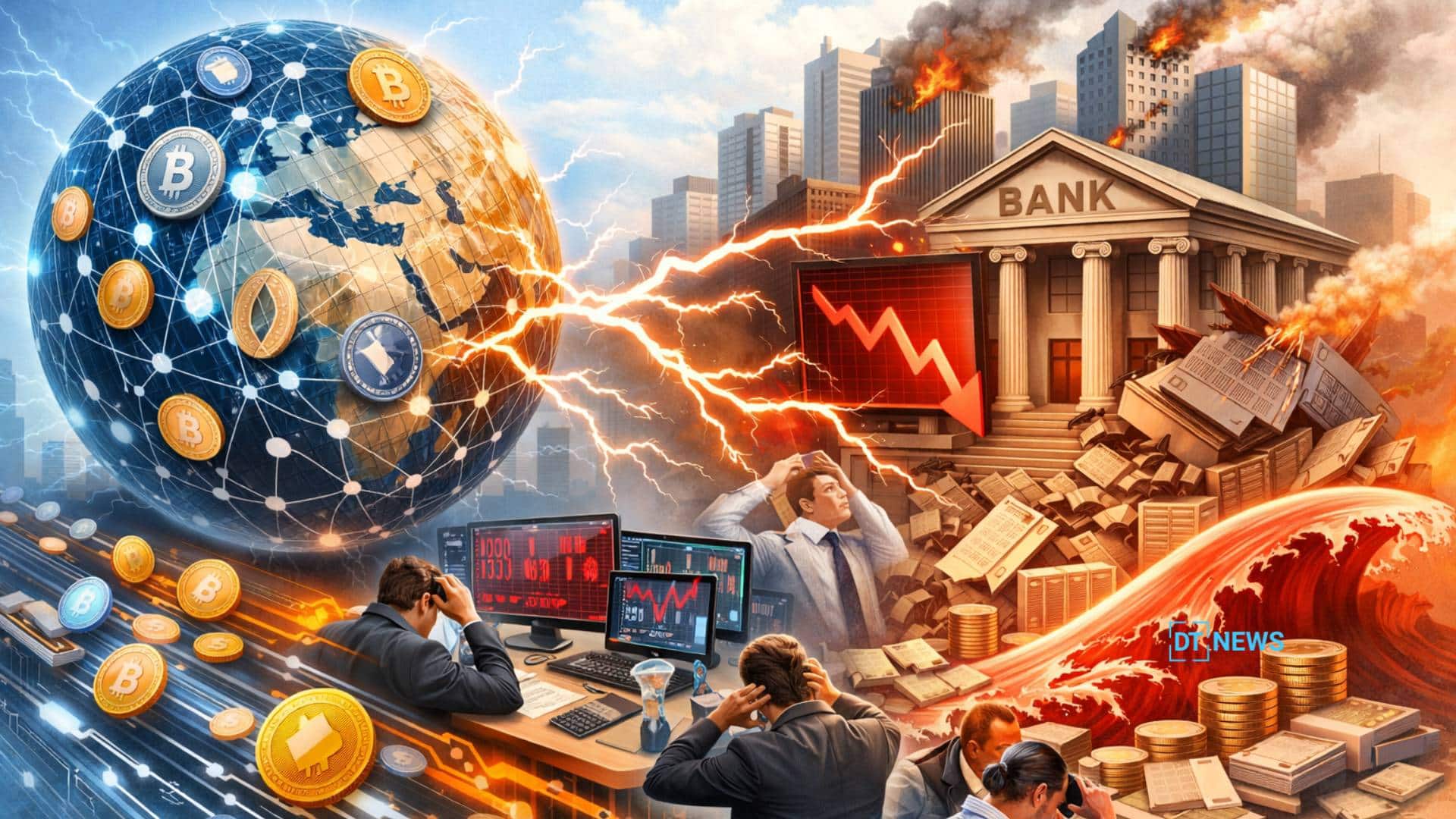

The latest warning from the IMF lands at an important moment for digital assets. Tokenization is no longer a theory tossed around at conferences or buried in pilot programs. It is moving deeper into regulated finance, drawing interest from asset managers, exchanges, and policymakers who see faster settlement, lower costs, and broader market access. Yet the same shift that makes markets more efficient can also make them less forgiving when stress hits. That tension sits at the center of the new debate around tokenized finance.
Why the IMF Is Taking Tokenization Seriously
The IMF argues that tokenization can reduce several long-standing inefficiencies across finance. In plain terms, shared ledgers and programmable transactions can lower search frictions, automate back-office processes, reduce some counterparty risk, and support faster settlement. That matters because traditional capital markets still rely on multiple ledgers, manual reconciliation, and intermediaries that add both time and cost. In that sense, tokenized finance is being treated less like a speculative crypto theme and more like market plumbing getting rebuilt.
How Tokenized Finance Could Reshape Market Plumbing
The strongest case for tokenized finance is speed with coordination. The IMF notes that a shared ledger can allow near-instant settlement once a trade is agreed, reducing delays caused by syncing brokers, custodians, and clearing systems. It also says programmable transactions can bundle several actions into one automated flow, which can cut transaction costs and make collateral management more efficient. That sounds technical, but the real-world point is simple: fewer moving parts often mean less friction.
This is why large financial firms are paying attention. One major asset manager launched BUIDL in March 2024 as its first tokenized fund on a public blockchain, while the parent company of the New York Stock Exchange said in January 2026 that it is developing a platform for 24/7 trading and immediate settlement of tokenized securities. The institutional message is hard to miss. Tokenized finance is moving closer to the financial mainstream.
The Growth Case Is Getting Harder to Ignore
Market data also shows that tokenized assets are no longer tiny as one major industry data platform shows distributed real-world asset value at about $27.68 billion as of early April 2026, with tokenized U.S. Treasuries alone at about $10.00 billion. Those numbers do not prove mass adoption, but they do show that tokenized finance has moved past the novelty stage. It is now large enough for regulators to care and large enough for institutions to compete over.
Efficiency Does Not Cancel Risk
Here is the catch, and it is a big one. The IMF says the same design features that improve efficiency can also spread shocks faster across institutions. Faster settlement, shared infrastructure, and programmability can reduce friction on calm days, but during panic they can remove the buffers that once slowed contagion. In other words, tokenized finance may improve execution while still leaving the system exposed to old risks in a new form.
The IMF also warns that fragmented, noninteroperable ledgers could split liquidity across markets instead of deepening it. That is the part many bullish headlines skip. If tokenized finance grows across disconnected platforms, investors may end up with lower liquidity, higher costs, and a market that feels slick on the surface but clunky underneath.
Conclusion
The IMF is not rejecting innovation as it is drawing a line between useful modernization and easy slogans. Tokenized finance can make markets faster, cheaper, and more accessible, but it does not abolish market structure risk. It changes where that risk lives. That is why the next phase of adoption will depend less on hype and more on legal clarity, interoperability, and credible oversight. The technology may be new, but trust still decides what scales.
FAQs
What is tokenized finance?
It is the use of blockchain-based ledgers to issue, trade, settle, or manage financial assets in digital token form.
Why does the IMF see benefits in tokenization?
Because it can reduce settlement delays, automate processes, and lower some transaction frictions in financial markets.
Why is the IMF still cautious?
Because faster systems can also spread stress faster, especially if markets become fragmented or overly interconnected.
Glossary of Key Terms
Tokenization
The process of recording and transferring assets on a shared programmable digital ledger.
Settlement
The final exchange of cash and assets after a trade is completed.
Interoperability
The ability of different systems or ledgers to work with each other smoothly.
Source
Disclaimer
This article is for informational purposes only and does not provide investment, legal, or financial advice.