
























Composable tokenized assets are becoming a key development in digital finance, solving long-standing problems in how tokenized assets work. The first wave of tokenization showed that regulated funds could exist on blockchain networks, but the processes behind them were still slow, disorganized, and reliant on old financial systems.
- What Are Composable Tokenized Assets and Why Do They Matter?
- How Did Early Tokenization Fall Short?
- How Does Composability Transform Investment Operations?
- Why Is Composability Critical for Fund Managers?
- How Will Composable Tokenized Assets Reshape Market Infrastructure?
- How Does Composability Converge With DeFi?
- What Are the Benefits of Transitioning Legacy Assets Onchain?
- What Does the Future Hold for Tokenized Markets?
- Conclusion
- Glossary
- Frequently Asked Questions About Composable Tokenized Assets
Even though billions of dollars in real-world assets have been turned into tokens, many still rely on batch settlements, spreadsheets, and manual checks. The next stage of tokenization will go further, creating fully programmable, composable tokenized assets that can interact instantly and work seamlessly in real time.
What Are Composable Tokenized Assets and Why Do They Matter?
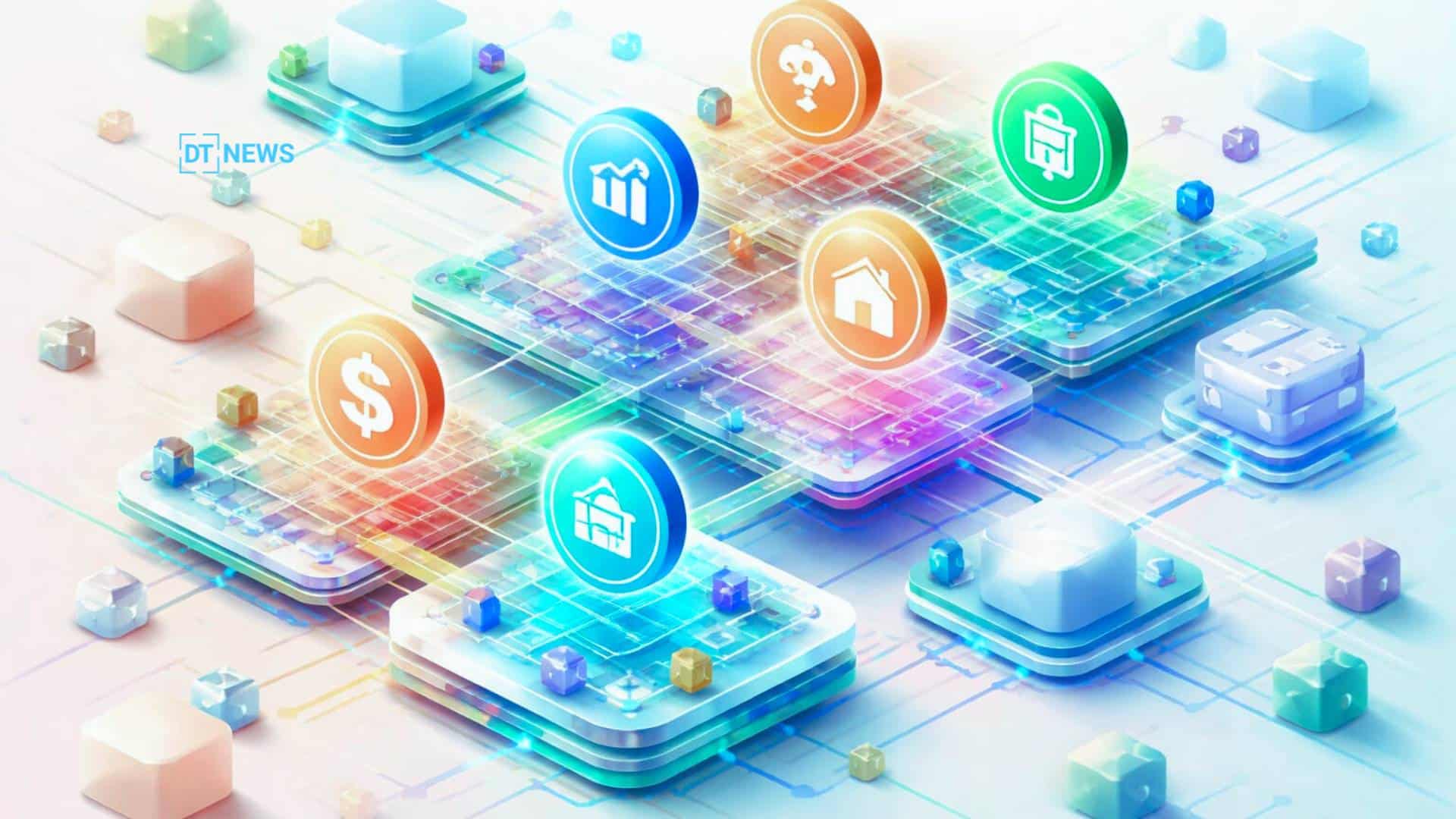
Composable tokenized assets are digital versions of financial instruments that can interact directly with each other on a blockchain. Unlike earlier tokenized assets that mostly copied traditional finance processes, composable assets allow automation, interoperability, and instant settlement. Without composability, tokenized markets face delays because money can move quickly through digital channels while asset records and settlements often take days to update.
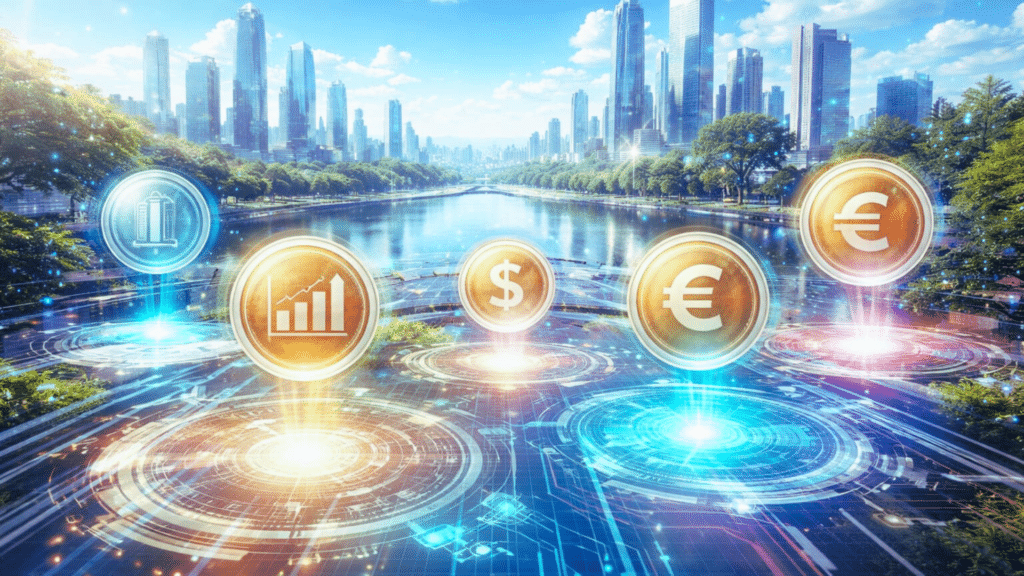
Composable tokenized assets solve this problem by embedding rules, ownership rights, and liquidity directly into the tokens, making them modular and programmable. This approach removes the need for manual checks or middlemen, as each token manages its own compliance, reporting, and settlement, enabling smooth interaction with other financial instruments and systems.
How Did Early Tokenization Fall Short?
The first wave of tokenization showed that regulated funds could exist onchain, but the changes were mostly surface-level. Billions of dollars in real-world assets were turned into digital tokens, yet the processes for settlement, reporting, and verification still relied on traditional systems. PDFs, spreadsheets, and intermediaries were still at the center of operations, and tokens acted mostly as digital wrappers. This setup limited growth. Batch settlements allowed capital to move quickly, but the asset records often took days to catch up.
Investors and fund managers faced inefficiencies that kept tokenization from being more than a digital copy of existing systems. Experts point out that these problems come from a lack of asset composability. Without a way for tokenized assets to work and interact with each other and the wider digital finance ecosystem, tokenization only solves part of the problem. Real progress requires a fully integrated system where issuance, transfer, and reporting all happen within a single programmable environment.
How Does Composability Transform Investment Operations?
Composable tokenized assets make investment operations modular, automated, and able to work together across platforms. Investor rights, liquidity rules, and asset information can be included directly in smart contracts. This makes compliance, settlement, and reporting continuous and reliable instead of occasional and manual. For instance, a tokenized credit fund can be used as collateral in a lending facility instantly. Fund shares can also settle immediately with digital currencies, aligning investments and cash flows in real time.
These capabilities show how this tokenized assets reduce friction in the financial system and let capital move at the same speed as programmable money. Adoption of tokenized assets is already happening. Banks, sovereign wealth funds, and asset managers are creating open protocols that connect digital assets with DeFi and automated treasury systems. The focus is on efficiency, transparency, and scalability rather than speculation. This composable infrastructure helps institutions centralize liquidity, automate compliance, and rely less on costly intermediaries.
Why Is Composability Critical for Fund Managers?
Fund managers work in markets that are becoming more complex, where speed and programmability are critical. Composable tokenized assets provide a system for modular finance, allowing digital assets to connect with decentralized liquidity pools, stablecoins, and automated treasury tools. Stablecoins show how this works in practice. They move over $700 billion each month, proving that digital money can flow at internet speed.
The asset side still relies on batch settlements, creating operational imbalances. Composable tokenized assets let fund managers align investments with liquidity, allowing instant capital settlement while maintaining compliance and oversight. Financial analysts note that composable assets also improve transparency. Smart contracts embed ownership, rights, and restrictions directly into tokens, cutting down manual verification and reconciliation needs. This gives fund managers real-time visibility into positions, exposure, and liquidity, strengthening risk management and operational efficiency.
How Will Composable Tokenized Assets Reshape Market Infrastructure?
The push toward composable assets marks a complete rebuild of financial market infrastructure. Rather than bolting blockchain onto old systems, this approach creates a natively programmable foundation from the ground up. Issuance, transfers, and reporting now flow through a single digital layer, building an automated system built on code-enforced trust.
Institutions get real-time confirmation of ownership, instant trade settlement, and automatic compliance checks directly from the network. Operational costs drop, errors shrink, and new financial tech integrates without friction. Composable tokenized assets also unlock fresh product development. Tokenized credit lines, collateralized funds, and automated treasury tools can launch fast without waiting on legacy settlement rails. Capital markets become leaner and quicker to adapt as bottlenecks disappear.
How Does Composability Converge With DeFi?
Composable tokenized assets connect traditional finance with decentralized protocols. They let institutions tap into DeFi safely by making assets work directly with programmable money. Picture a tokenized fund serving as collateral on a lending platform, or fund shares clearing instantly against digital currencies. This tightens the link between investment and settlement into one seamless system.
Experts see this as the logical next step. Digital money already moves at internet speed, so tokenized assets need to catch up. These tokenized assets build the foundation for automated operations that bring both institutions and everyday users into digital finance.

What Are the Benefits of Transitioning Legacy Assets Onchain?
Moving traditional assets onchain through composable tokenized assets brings clear operational gains. Transparency, auditability, and efficiency all improve markedly. Manual reconciliations drop away while settlements happen in real time. Institutional moves into composable protocols signal focus on efficiency over speculation.
Banks, asset managers, and sovereign wealth funds build systems that pool liquidity and cut out middlemen. Settlement friction fades as more assets go onchain, letting capital markets run smoother and more predictably. The economic case stands out. Automation cuts costs, boosts compliance, and scales operations. Once institutions see these benefits in practice, the line between onchain and offchain assets blurs. Markets evolve from tokenized versions of old finance into fully integrated systems.
What Does the Future Hold for Tokenized Markets?
History shows financial technology shifts often move slowly at first, then accelerate rapidly. Electronic trading gradually replaced phone brokers over a decade, while digital payments supplanted checks almost overnight. Tokenization appears headed for a similar trajectory. Tokenized assets will shape the next phase of this evolution.
As infrastructure takes hold, investors and institutions gain faster settlements, reduced operational costs, and automated compliance. Markets transform from experimental tokenized overlays into fully integrated, programmable systems. Experts expect that once asset managers experience the efficiency and transparency of composable tokenized assets, adoption will spread quickly. Capital markets will shift from replicating legacy processes to operating natively in digital, automated, interoperable environments.
Conclusion
Composable tokenized assets stand ready to reshape financial markets by closing the gap between digital money and investment infrastructure. They enable real-time settlement, automation, and seamless interoperability, eliminating inefficiencies that limited earlier tokenization attempts. Fund managers, institutions, and investors gain transparent compliance, faster liquidity access, and reduced operational costs.
As tokenized assets adoption grows, the financial ecosystem turns modular, trust-based, and fully integrated. Tokenization’s future lies not in layering digital systems atop legacy infrastructure but in building natively efficient, reliable foundations at scale. These assets form the foundation for programmable, automated markets equipped for digital economy demands.
Glossary
Composable Tokenized Assets: Tokens that interact and operate automatically on blockchain.
Batch Settlements:Grouping transactions that can slow processing.
Programmable Finance: Finance run by code that automates rules and payments.
Onchain Finance: Finance happening directly on blockchain.
DeFi: Blockchain-based financial services without traditional banks.
Frequently Asked Questions About Composable Tokenized Assets
Why are composable tokenized assets important?
They are important because they allow real-time settlement, automation, and easy interaction without manual checks or middlemen.
How do tokenized assets improve investment operations?
They make investments faster, reduce errors, allow instant settlement, and include rules and rights directly in the token itself.
Why do fund managers needs this tokenized assets?
Fund managers need them to align investments with liquidity, improve transparency, and manage risks in real time.
How do composable tokenized assets reduce financial friction?
They embed ownership, compliance, and settlement rules in smart contracts, removing delays and reliance on old manual processes.
What is the main benefit of this tokenized assets?
The main benefit is that they make finance modular, automated, and faster, letting money and assets move at the same speed.