

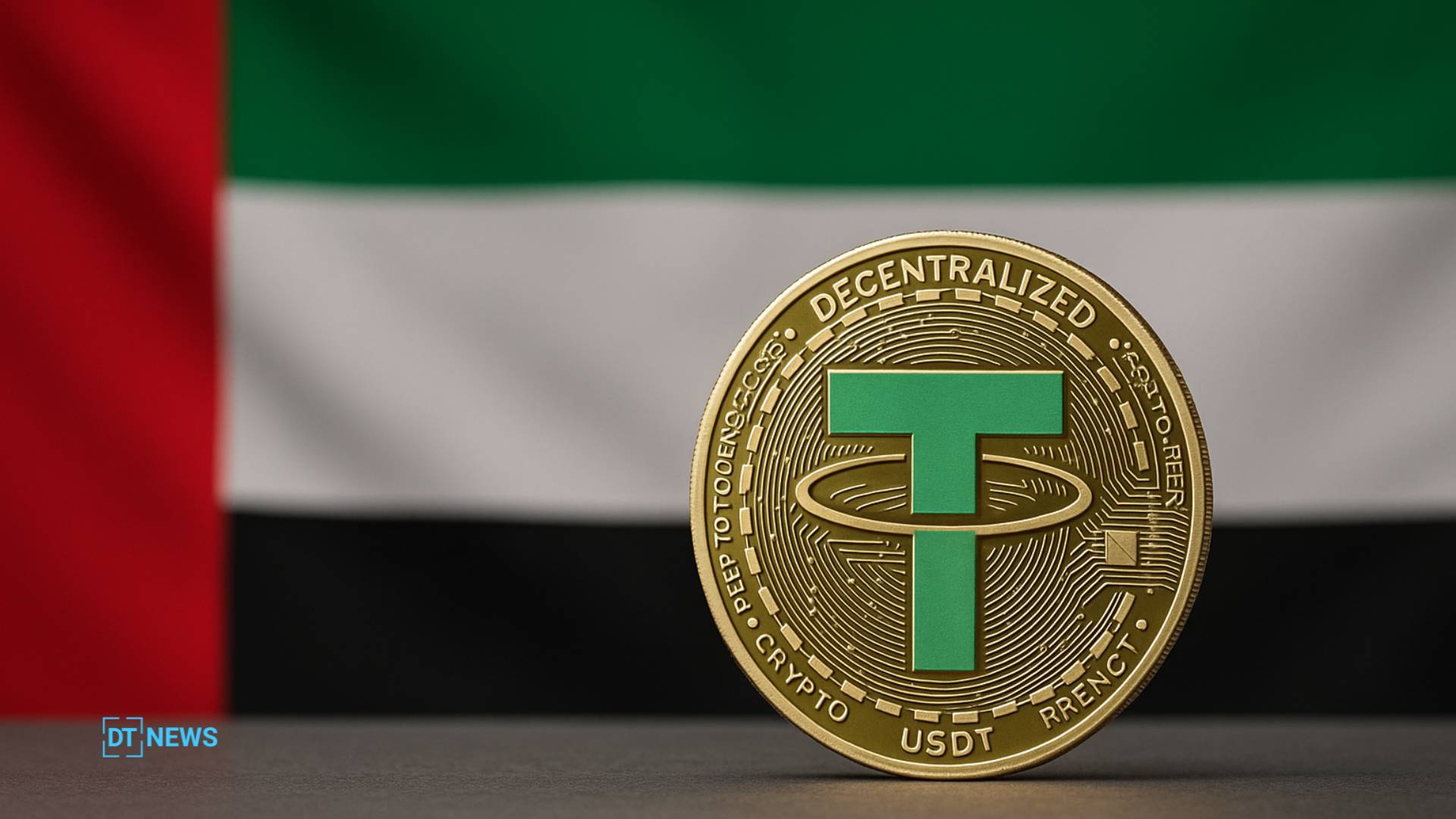
Abu Dhabi has turned up the heat in the stablecoin race by officially recognizing Tether’s USDT as an Accepted Fiat Referenced Token inside its international financial center. The local financial regulator in Abu Dhabi Global Market has cleared licensed firms to use USDT in regulated activities on several major blockchains, including Aptos, Celo, Cosmos, Kaia, Near, Polkadot, Tezos, TON, and TRON, together with earlier approved networks such as Ethereum, Solana, and Avalanche.
For the broader crypto market, this step is about more than a new label. It shows that stablecoins are shifting from informal trading tools into supervised financial infrastructure that sits alongside traditional instruments. Abu Dhabi is using this framework to position itself as a digital asset hub that tries to balance innovation with investor protection.
How The Fiat Referenced Token Status Works
The Accepted Fiat Referenced Token status puts USDT inside a clear rulebook. The regulator sets standards for how licensed entities may hold, use, and offer the token, how client funds must be segregated, and what kind of disclosures and risk controls are required when USDT is part of a regulated service.
With that status, banks, brokers, custodians, and fintech firms in the jurisdiction can plug USDT into payment flows, trading desks, market making, and settlement solutions, as long as they meet the licensing conditions. Because the approval spans multiple chains, these services are not tied to a single network. Activity can follow users and liquidity across Aptos, TRON, Polkadot, TON, and other supported ecosystems.
Why The UAE Cares About Stablecoin Structure
The United Arab Emirates has been building a layered framework for digital assets, including specific rules for payment tokens and stablecoins at the national level and detailed regimes inside financial centers such as Abu Dhabi Global Market.
By treating USDT as a regulated market infrastructure inside this zone, authorities can watch how dollar-linked tokens move through exchanges, wallets, and payment services rather than leaving them in a regulatory grey area. That oversight matters because USDT is the largest stablecoin by market value and a primary quote asset for many trading pairs.
A failure of confidence would feed quickly into spot markets, derivatives, and DeFi protocols. A supervised environment with clear capital, governance, and disclosure expectations can lower systemic risk and draw in institutions that require firm compliance rules.
Key Crypto Indicators Behind The USDT Story
Several core indicators sit behind this decision and help readers understand why it matters.
Market capitalization shows how dominant USDT remains among dollar stablecoins. A high market value signals deep demand from traders, platforms, and payment users, and explains why a financial center wants the token under a defined rule set rather than outside it.
Liquidity is another major signal. Order book depth and trading volumes in USDT pairs reveal how easily large positions can move without sharp price swings. High liquidity makes USDT a natural choice as a base asset for both centralized exchanges and DeFi markets.

Reserve quality stands at the center of every stablecoin discussion. Public attestations from the issuer describe a reserve mix that leans heavily on short term government debt, with smaller allocations in assets such as gold and Bitcoin, alongside cash and other instruments. The composition of those reserves, and the size of any buffer above outstanding tokens, affects how well USDT can handle stress and heavy redemptions.
Regulatory posture completes the picture. When a respected financial center assigns formal fiat referenced token status to USDT, it signals that the stablecoin meets at least a baseline of transparency and risk management that satisfies the local supervisor, even if global debate about reserves and disclosure continues.
Conclusion
Abu Dhabi’s recognition of USDT as an Accepted Fiat Referenced Token is another sign that stablecoins are graduating into regulated financial plumbing. It shows that policymakers in key hubs prefer to shape this market rather than stand aside. For the UAE, it strengthens a long-term strategy to become a global connector for digital assets. For Tether, it reinforces USDT’s role as a core liquidity tool, as long as reserve transparency and risk controls continue to evolve with its expanding footprint.
Frequently Asked Questions
What exactly did Abu Dhabi approve for USDT?
The financial regulator in Abu Dhabi Global Market recognized USDT as an Accepted Fiat Referenced Token, which allows licensed firms to use it in regulated activities on a defined list of blockchains such as Aptos, Celo, Cosmos, Kaia, Near, Polkadot, Tezos, TON, TRON, and earlier approved networks, including Ethereum, Solana, and Avalanche.
Does this make USDT completely safe?
No. The decision places USDT under clearer rules in that jurisdiction, but users still need to review reserve reports, market conditions, platform risk, and personal risk tolerance before holding any stablecoin.
How does this approval affect other stablecoins?
The move increases pressure on other issuers to improve transparency and seek similar approvals if they want to compete for institutional clients that operate in or through the Abu Dhabi hub.
What are the main crypto indicators to watch for USDT?
Key indicators include market capitalization, trading volume, order book depth, reserve quality, and the strength of regulatory recognition in major financial centers.
Glossary Of Key Terms
Stablecoin
A digital token that aims to keep a stable value, often by tracking a fiat currency such as the United States dollar.
Fiat Referenced Token
A category of cryptoasset that tracks the value of a fiat currency and is backed by reserves that are supervised under specific rules in a given jurisdiction.
Abu Dhabi Global Market
An international financial center in Abu Dhabi that operates under its own legal and regulatory framework and licenses banks, investment firms, and digital asset businesses.
Reserves
The assets that back a stablecoin, which can include cash, bank deposits, government bonds, gold, Bitcoin, and other investments, depending on the issuer’s policy.
Liquidity
The ease with which an asset can be bought or sold in meaningful size without causing a sharp move in its price, often measured by trading volume and the depth of buy and sell orders.