
This article was first published on Deythere.
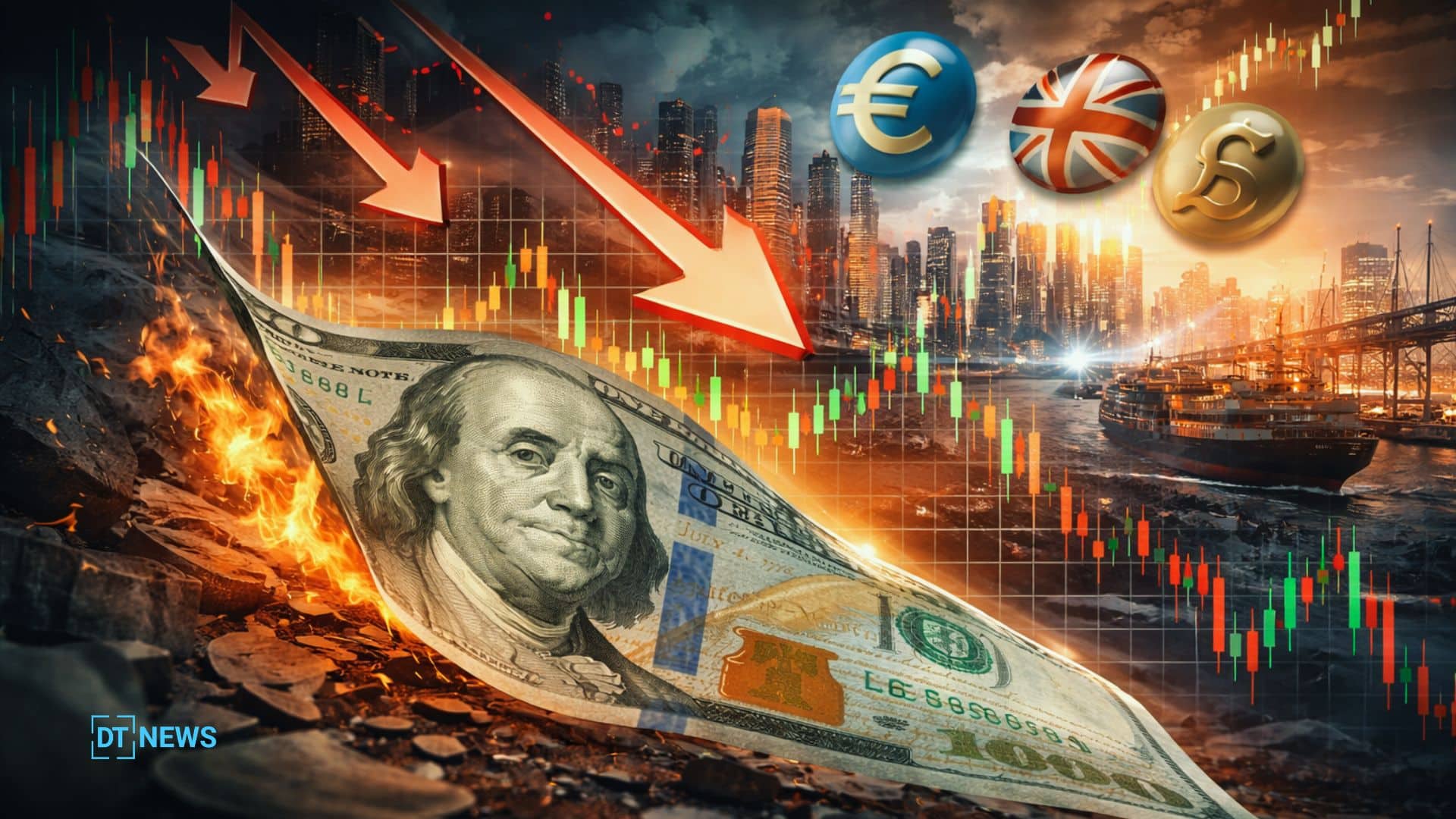
US Dollar drops at a moment when markets crave stability. Traders reacted swiftly after renewed uncertainty surrounding Trump tariffs unsettled currency desks across the globe. The move was broad, sharp, and rooted in policy fears rather than hard data.
According to the source, the weakness followed fresh concerns that trade tensions could resurface if Trump tariffs return in a more aggressive form. Currency markets, known for pricing risk ahead of action, did not wait for official policy changes. They adjusted within hours.
A Broad Selloff Signals Shifting Confidence
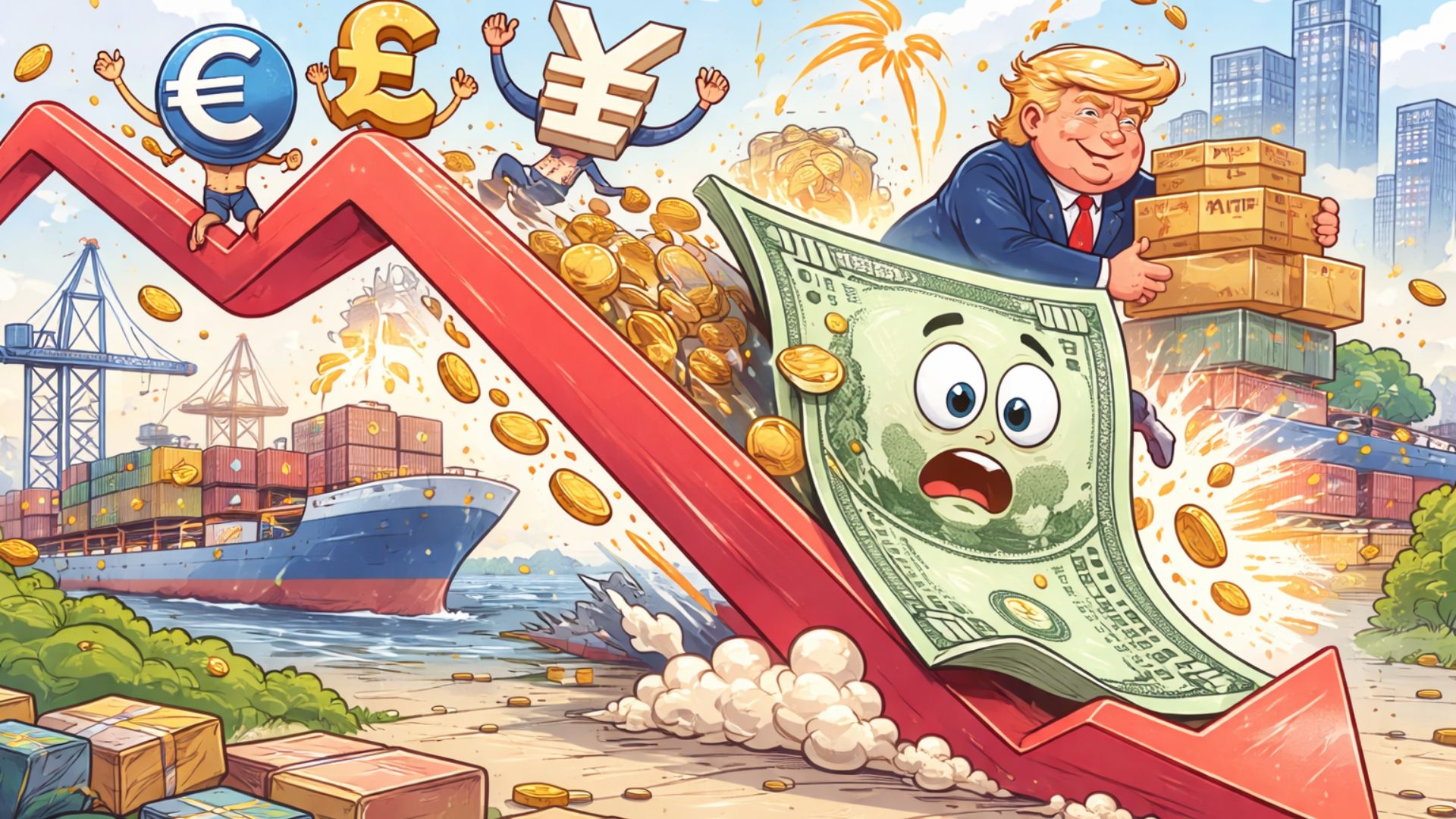
The US Dollar drops against all major currencies, including the Euro, the Japanese yen, and the British pound. According to a report, the dollar weakened against all major currencies as investors reacted to renewed uncertainty surrounding Trump tariffs and potential trade disruptions.
The move was broad rather than isolated, signaling general hesitation toward the greenback rather than strength in any single currency. Recent coverage in this global market report noted that traders repositioned portfolios as tariff headlines resurfaced. Even without confirmed measures, Trump tariffs reentered pricing models.
Currency markets function on expectations. When uncertainty grows, investors often rotate capital to hedge exposure. That rotation helps explain why the US Dollar drops quickly when trade risk dominates headlines.
Why US Dollar Drops When Trade Policy Turns Unclear
Trump tariffs bring more than political debate. They introduce economic friction. Tariffs can raise import costs, tighten supply chains, and complicate corporate planning. Those pressures affect growth forecasts.
A respected policy review from this economic analysis previously found that earlier tariff waves increased input costs for American firms and reduced trade volumes. Markets remember those outcomes.
When investors fear slower growth or rising inflation from tariffs, confidence shifts. The US Dollar drops because traders hedge against weaker economic momentum. Uncertainty weighs heavier than confirmed rules.
Trump tariffs also create global ripple effects. Trading partners may respond with countermeasures. That cycle can amplify risk, further explaining why the US Dollar drops when rhetoric intensifies.
Crypto Markets Watch the Dollar’s Direction
Digital asset investors understand that macro shifts often spill into blockchain markets. When the US Dollar drops, liquidity conditions can change. A softer dollar sometimes boosts appetite for alternative assets.
Bitcoin and other major cryptocurrencies often react to shifts in inflation expectations. Trump tariffs may fuel price pressures if import costs rise. Some investors interpret inflation risk as supportive for decentralized assets.
However, volatility cuts both ways. If trade tensions escalate sharply, broader risk aversion may pressure crypto in the short term. Markets rarely move in straight lines. Still, the connection between currency weakness and digital asset flows remains significant.
Blockchain developers and financial analysts track these patterns closely. Capital inflows, venture funding, and token performance often reflect macro signals before retail investors notice.
Policy Headlines Now Drive the Next Move
The US Dollar drops reflect anticipation rather than finalized action. That distinction remains crucial. Markets will now monitor official statements, trade negotiations, and economic indicators for clarity.
Trump tariffs stand at the center of this uncertainty. If clearer guidance emerges, volatility could ease. If ambiguity persists, traders may continue trimming dollar exposure.
Foreign exchange markets move fast because they trade on confidence. Stability builds strength. Doubt erodes it. Right now, doubt sits at the forefront.
Conclusion
US Dollar drops serve as more than a forex headline. They signal how sensitive global capital remains to trade policy risk. Trump tariffs have once again entered financial conversations, and markets are reacting accordingly.
For crypto enthusiasts and financial students, the lesson runs deeper. Digital assets do not operate in isolation. They respond to shifts in liquidity, inflation expectations, and global confidence.
If trade tensions escalate, volatility may spread across currencies, equities, and crypto alike. Yet periods of uncertainty also create opportunities for informed participants.
The smartest investors watch both blockchain innovation and macro policy trends. When US Dollar drops on tariff fears, it reflects a broader search for stability in a fragile system. Understanding that link offers an edge in uncertain times.
Glossary of Key Terms
Foreign Exchange Market: A global network where currencies trade against each other based on supply and demand.
Tariffs: Taxes placed on imported goods to protect domestic industries or influence trade policy.
Dollar Strength: A measure of how the US Dollar performs against other major currencies.
Liquidity: The ease with which assets can be bought or sold without affecting market prices.
Inflation: A sustained increase in general price levels, reducing purchasing power over time.
FAQs About US Dollar Drops
Why did US Dollar drops follow tariff headlines?
Markets reacted to renewed uncertainty surrounding Trump tariffs and possible trade disruptions.
Do Trump tariffs always weaken the dollar?
Not always. Market impact depends on growth expectations and investor confidence.
How does a weaker dollar affect crypto markets?
A softer dollar can increase liquidity and sometimes strengthen interest in digital assets.
What should crypto investors monitor now?
Investors should track trade policy updates, inflation data, and global currency trends.