
























This article was first published on Deythere.
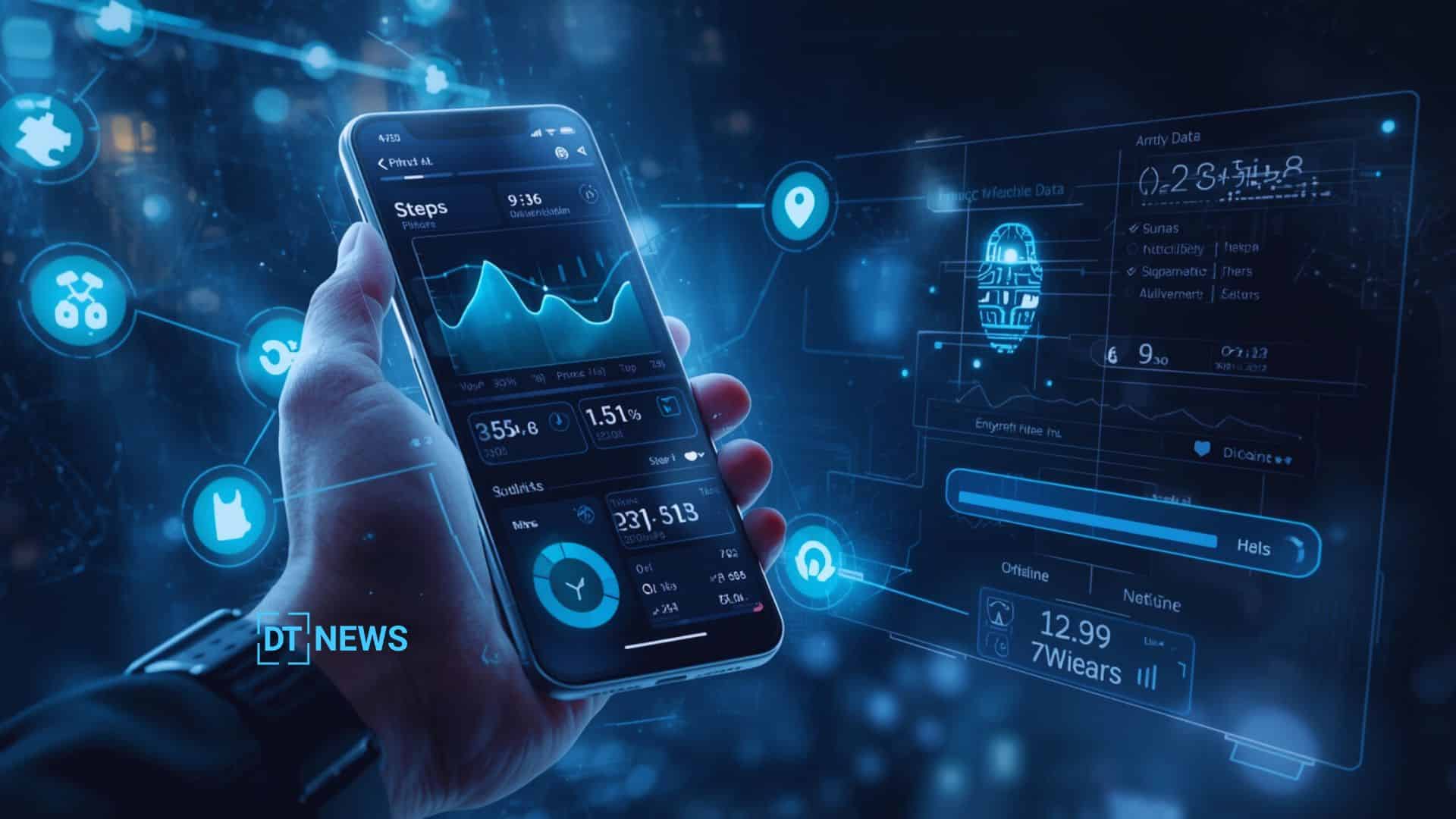
An AI health app often signals progress in personal wellness, yet the latest entry from Tether gives the trend new weight. Curiosity grows around this move because it blends finance, technology, and health into one emerging theme.
According to the source, the launch of QVAC Health reflects a plan to support users who want privacy while tracking fitness, nutrition, and biometric habits. Several analysts note that Tether aims to address long-standing concerns around data control.
Recent studies on digital health privacy highlight rising user interest in safer wellness tools. A report from an academic research group stated that many users avoid health trackers due to limited transparency. The arrival of a secure model may shift attention to new options that keep information on the device rather than external servers.
A New Direction That Links Wellness and Finance Technology
Industry experts speculate that Tether is looking to expand beyond stablecoins. Now, the AI health app has become central to that transformation. QVAC Health consolidates daily activities in one encrypted place that operates without a network.
This is attractive to users who want reservoir control to maintain some services and processes offline, especially with sensitive data. One study, a technology institute noted high demand for offline processing among health apps. The report suggested there was an increasing sense that local storage fosters stronger confidence in users.
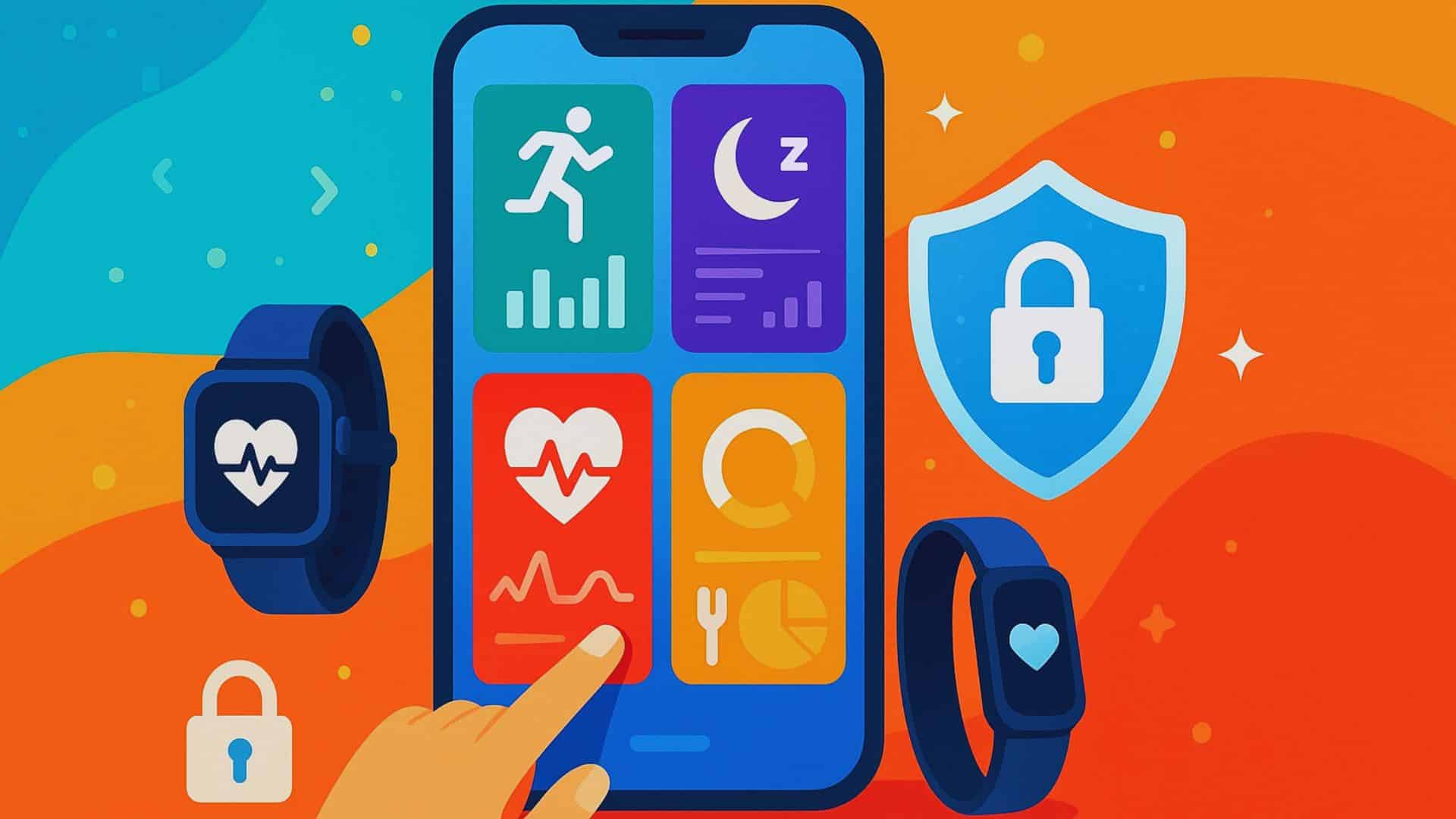
Developers say the idea could unify a divided fitness market. And while it’s true that many users muddle through with multiple apps, one app each for steps, sleep and meals in addition to the iPhone’s own Health app, plus an Apple Watch if they measure heart rate. The goal for the AI health app model is to show all of these aspects in a clear line of sight.
Tether reinforces this impression with wearables integration and plain natural-language inputs. These instruments assist a user in interacting with the system while having to deal less of technical details.
Analyst Insights on Tether’s Strategic Expansion
Financial analysts view the introduction as a measured move in concert with worldwide interest in personal health tech. The market for AI health apps is growing as more people look to mobile tools to track activity. A market overview by a research publication projected healthy expansion of digital wellness over the next decade.
The review attributed this demand to the increasing health consciousness and improved edge computing. Tether comes into this space at a time when privacy is expected to be the norm.
Some blockchain developers also suggest potential connections between the app and future decentralized tools. The latest version features personal well-being, but the bigger plan may revolve around such things as secure identity or sharing encrypted data.
Developers value the offline design because it reduces exposure to external attacks. The idea supports a broader conversation about safety within digital ecosystems. This theme remains important within academic work on cybersecurity and personal data studies.
A Closing Look at Impact and Future Potential
The move from Tether signals a shift toward a market that blends secure technology with daily habits. The AI health app model may help users understand their routines without feeling watched.
What readers who track crypto, finance and open-source software development see is how established companies enter into those new fields. The move forecasts a future in which financial firms back health tools that favor privacy.
Conclusion
The growth of the AI health app sector shows how wellness and secure technology now move together. Tether enters this space with a privacy-centered model that supports simple, informed health tracking.
The shift points to a future where users gain control over personal data while benefiting from more innovative tools that guide healthier daily choices.
Glossary of Key Terms
AI health app: A mobile application that utilizes AI to help users keep track of their fitness and wellness.
Biometric data: Traits of the body and conduct utilized in health patterns.
Offline processing: A technique that maintains data on the device itself, allowing it to operate independently of the internet.
Wearables: Gadgets that monitor activity and health indicators.
FAQs About the AI Health App
1. What is an AI health app?
It is a health tool that uses artificial intelligence to track fitness, nutrition, and wellness habits.
2. Why is Tether entering health technology?
Tether aims to expand into new sectors where privacy and secure data handling matter.
3. Does QVAC Health work without the internet?
Yes. The design supports offline use for better privacy and control.
4. Who benefits from this type of app?
Students, analysts, developers, and general users who want safe wellness tracking.