
This article was first published on Deythere.
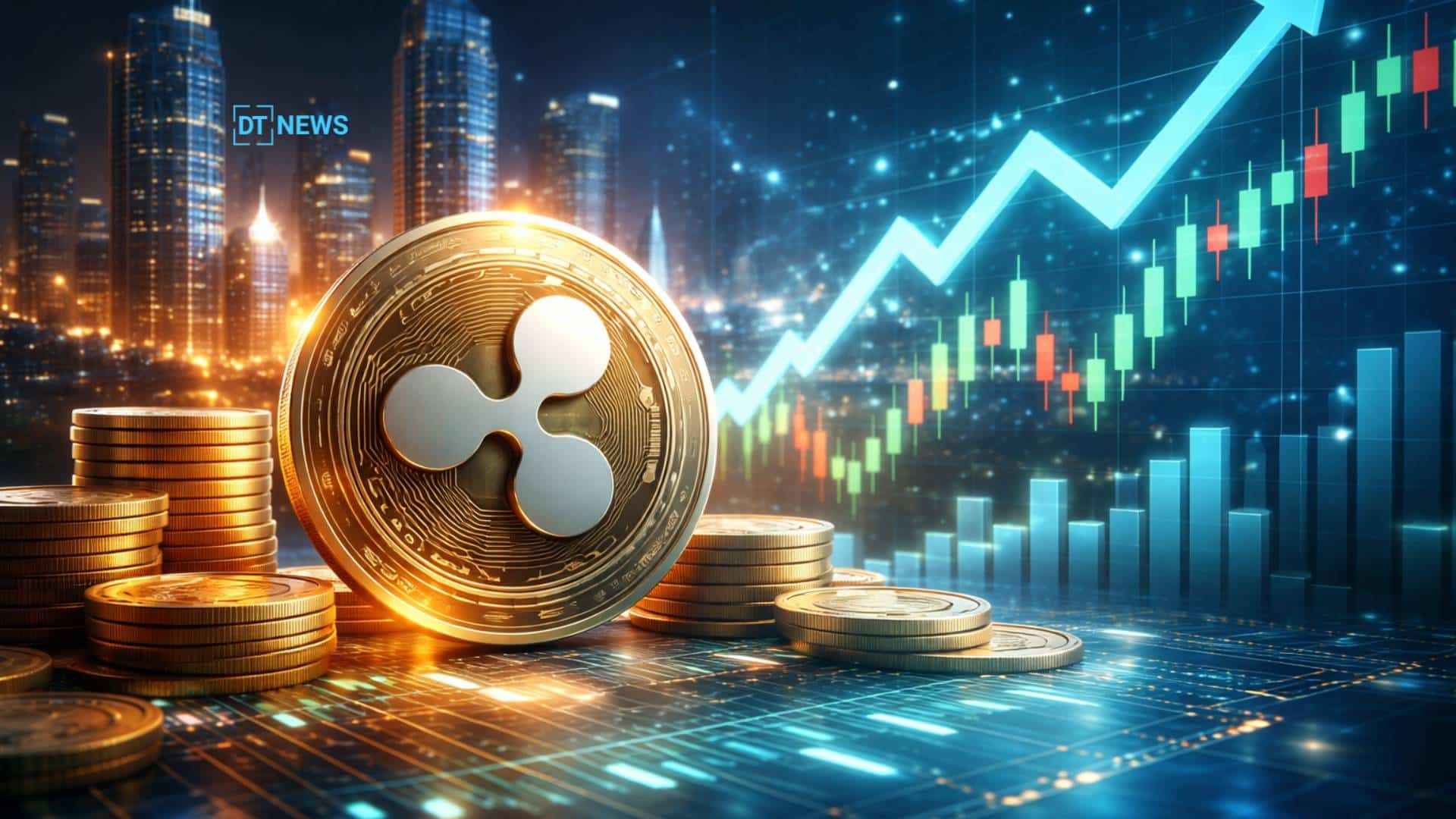
Ripple is giving the private market a fresh signal at a time when crypto sentiment still feels uneven. The company is reportedly moving ahead with a $750 million tender offer that would value it at about $50 billion, a sharp step up from the roughly $40 billion valuation attached to its November 2025 secondary share sale. That shift matters, not only because of the number itself, but because it arrives while XRP has struggled on the open market and while Ripple keeps pushing deeper into payments, stablecoins, brokerage, and regulated financial infrastructure.
Ripple share buyback puts a higher price on private confidence
The reported tender offer is expected to run through April and would allow employees and early investors to sell shares back to the company. In simple terms, the Ripple share buyback offers liquidity without forcing Ripple into a public listing. That is an important distinction. Many firms use public markets to reward early backers. Ripple appears to be choosing another road, one that says its balance sheet is strong enough to support shareholder liquidity on its own.
That makes the Ripple share buyback more than a financial housekeeping exercise. It reads as a message. Ripple is telling the market that it believes its private value should keep climbing even while broader crypto prices remain choppy. Private company valuation and token price are not the same thing, of course, but traders often read one through the lens of the other. When a company tied so closely to XRP sees its valuation rise, the market notices.
Expansion gives the Ripple share buyback real weight
The backdrop helps explain why this story has legs. Ripple has been widening its footprint far beyond remittances and token rails. Its $1.25 billion acquisition of Hidden Road gave it a serious institutional bridge into prime brokerage and post-trade services. That matters because Hidden Road clears about $3 trillion annually for more than 300 institutional clients, which places Ripple closer to the plumbing of modern finance than many crypto firms ever reach.
At the same time, Ripple has been building around RLUSD, its dollar-pegged stablecoin, which recently crossed a $1 billion market cap after launching in December 2024. The company also said it has now processed more than $100 billion in transactions. Together, those figures make the Ripple share buyback easier to understand. Investors are not only pricing a crypto brand. They are pricing a business that is trying to become a broader financial infrastructure company.
Why the Ripple share buyback matters for XRP watchers
Still, this is where the story gets interesting as the Ripple share buyback comes even as XRP has faced pressure, with reports noting the token had fallen more than 53% over the previous six months and traded near $1.39 at the time of publication. That gap between corporate valuation and token performance may look odd at first glance, but it reflects a growing split in crypto. Tokens can move on sentiment, leverage, and macro headlines. Private valuations can move on revenue visibility, acquisitions, and long-term strategy.
In other words, the Ripple share buyback suggests sophisticated investors may be focusing less on short-term chart pain and more on what Ripple could look like in 2 to 5 years. If that thesis holds, the company is being valued more like a financial technology platform with crypto rails than a single-asset story.
Regulation may shape the next chapter
Ripple received conditional approval in December 2025 to establish a national trust bank in the United States, a move that could deepen its regulatory standing and strengthen its institutional appeal. The Ripple share buyback lands differently in that context. A company that is expanding into regulated financial services, custody, payments, and stablecoin infrastructure will often command a different valuation framework than one tied only to token market cycles.
Conclusion
The Ripple share buyback is not just a headline about private shares changing hands. It is a window into how the market may be reassessing Ripple itself. With a reported $50 billion valuation, deeper institutional expansion, RLUSD momentum, and a firmer regulatory path, the company is trying to prove it belongs in a larger category than crypto payments alone. For XRP investors and industry watchers, the message is fairly clear. Ripple wants to be valued not as a moment, but as infrastructure.
Frequently Asked Questions
What is the Ripple share buyback?
It is a reported $750 million tender offer that would let employees and investors sell shares back to Ripple at a valuation of about $50 billion.
Why does the buyback matter?
It gives liquidity to shareholders without an IPO and signals confidence in Ripple’s long-term business model.
Does this directly change XRP price?
No. Ripple’s private valuation and XRP’s market price are separate, though sentiment around one can influence the other.
Glossary of Key Terms
Tender offer: A company proposal to buy shares from current holders at a set price.
Valuation: The estimated market value of a company.
Stablecoin: A crypto asset designed to hold a stable value, usually tied to a fiat currency.
Prime brokerage: A service platform for institutional traders that can include clearing, financing, and trade support.
National trust bank charter: A regulatory structure that allows a firm to offer certain trust and custody services under federal oversight.
Sources