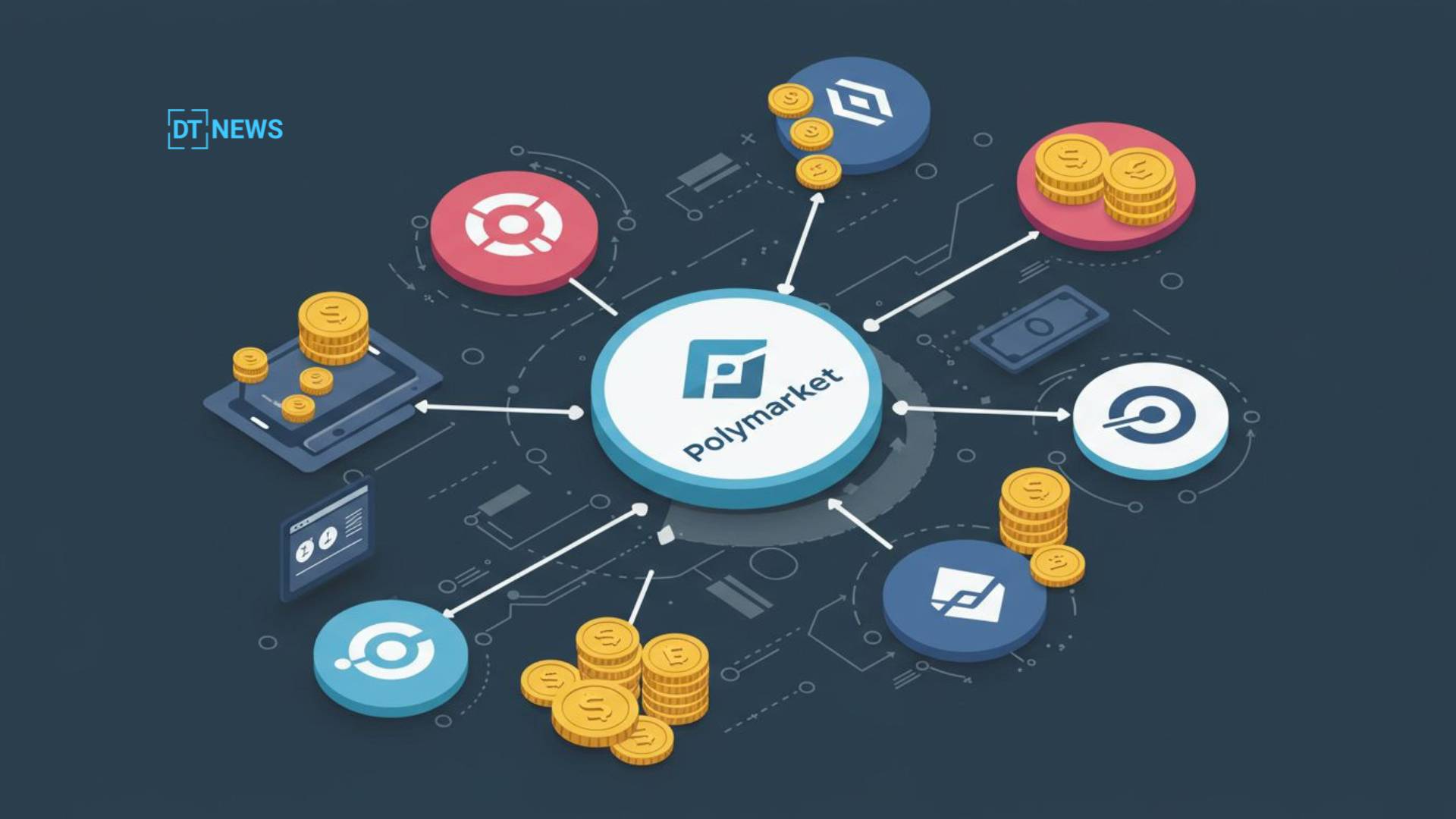
Polymarket is stepping back into the United States with a different playbook from its early days. The prediction platform is rolling out a new app for waitlisted U.S. users, starting with real money markets on sports results. The relaunch follows a formal green light from federal derivatives regulators and signals a shift from a scrappy on-chain experiment to a venue that fits inside existing market rules.
The path to this point has not been smooth. In a previous chapter, the platform was required to restrict American users and pay a penalty for running unregistered event markets. For the current phase, Polymarket uses a supervised exchange and clearing framework that sits under the same broad rulebook that shapes established futures venues.
How crypto prediction markets actually work
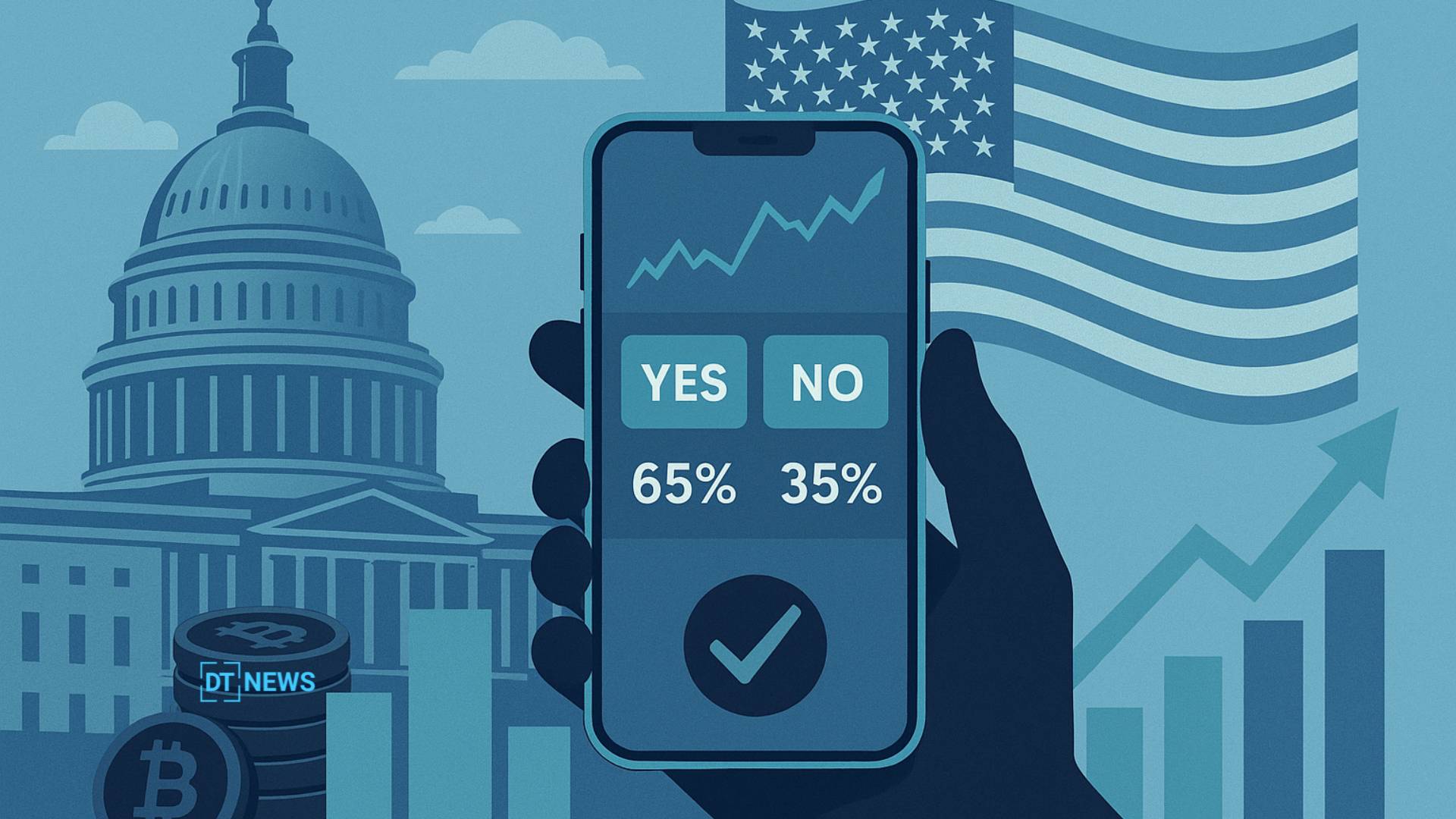
Prediction markets take everyday questions and turn them into tradable contracts. In the new app, each market revolves around a clear outcome, such as whether a team wins a game or a tournament. Traders buy and sell shares that pay out if the event happens. If a contract trades at 0.60, the price reflects a 60 percent implied chance that the outcome will occur. As news breaks or sentiment shifts, prices adjust, so the market becomes a live readout of collective expectations.
This structure aligns naturally with blockchain rails. Collateral can be held in digital assets, orders can match around the clock, and settlements can be completed quickly. Every executed trade leaves a transparent record on chain. For many newcomers, prediction markets act as a practical gateway into crypto, because they resemble familiar experiences from sports books and financial betting pools while relying on digital asset infrastructure underneath.
Liquidity, supervision and the key crypto signals to watch
Regulated access in the United States matters for more than public image. It can change the depth and quality of the markets themselves. Under the new model, intermediaries are able to route clients to the venue using standard clearing and reporting channels. That alignment lowers friction for professional traders who already work with futures and options. When more sophisticated participants enter, order books usually deepen and spreads can narrow for retail sized trades.
For analysts who track crypto linked prediction platforms, several indicators now stand out. Total trading volume provides a baseline for how much capital moves through the venue. Open interest shows how much risk remains live across markets at a given moment. Active user counts help reveal whether the product holds attention. The speed and accuracy of price moves around major news events offer a rough measure of how well the market processes information.
Why this comeback matters for the wider crypto story
Polymarket’s relaunch lands at a time when many investors want real world uses for digital assets instead of another speculative token cycle. Regulated prediction markets answer that call in a straightforward way. They turn uncertainty around sports, politics and macro events into clean numerical signals that any reader can interpret.
If the model scales, it may strengthen the argument that blockchains have staying power as financial plumbing. Fast, transparent settlement is a daily requirement in this corner of the industry. Platforms must pay close attention to listing standards, surveillance and user protection, especially when markets touch sensitive topics.
Conclusion
The U.S. app rollout shows that prediction markets are maturing. By pairing a supervised structure with an accessible product, Polymarket is testing whether this niche can move closer to the financial mainstream without losing its edge. The outcome will influence not only one platform’s future, but also how far crypto based event trading can go in a world that increasingly expects both innovation and accountability.
Frequently Asked Questions
1. What is Polymarket? Polymarket is a crypto-powered prediction platform where users trade on the outcome of real-world events, such as sports games or elections. Prices of the contracts reflect the market view of how likely each outcome is.
2. How do prediction markets work in simple terms? In a prediction market, each event has contracts that pay out if a specific outcome happens. If a contract trades at 0.70, the market is signaling a 70 percent chance of that result. As news and data arrive, the price moves up or down.
3. Why does regulation matter for a platform like this? Regulation matters because it sets clear rules for how trading, custody, and settlement must work. A regulated structure can protect users better, attract institutional liquidity, and reduce the risk of sudden shutdowns or enforcement actions.
Glossary of Key Terms
Prediction market A marketplace where people buy and sell contracts tied to future events, such as sports results, elections, or economic data releases.
Event contract A financial contract that pays out if a specific event occurs. It usually has a price between 0 and 1, which reflects the market view of that event’s likelihood.
Implied probability The probability that traders infer from a contract’s price. For example, a price of 0.40 suggests the market currently sees a 40 percent chance that the event will happen.
Open interest The total number of active contracts that have been created but not yet closed or settled. It shows how much capital is tied up in live positions.
Liquidity A measure of how easy it is to enter or exit a position without moving the price too much. Higher liquidity usually means tighter spreads and smoother trading.
A crypto journalist with an understanding of blockchain technology. Skilled in simplifying complex topics for diverse audiences, from beginners to experts.
Because I believe in words as they are the children of mind.