
This article was first published on Deythere.
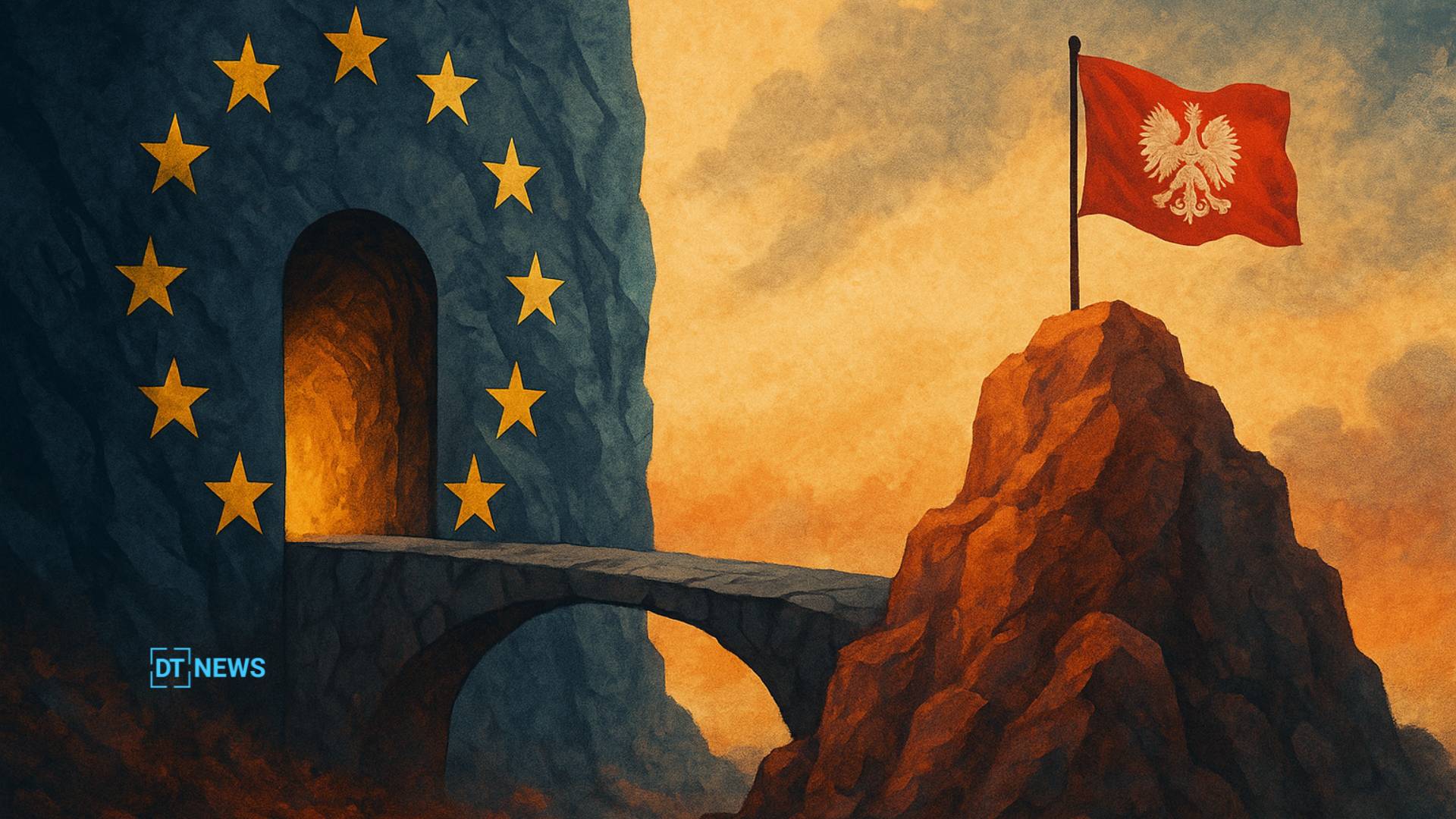
Poland has become one of the most closely watched cases in European crypto regulation. After a tense vote in the lower house of parliament, lawmakers failed to overturn a presidential veto on a flagship digital asset bill. The outcome leaves the country without a clear national framework that matches the Markets in Crypto Assets, or MiCA, rules that are gradually reshaping the wider European Union.
The proposed law, often described as a crypto asset market act, was designed to plug MiCA standards into local legislation. It would have expanded the powers of the national financial supervisor, created a structured license regime for exchanges and custodians, and introduced criminal penalties for the most serious violations. Supporters argued that the bill could replace a confusing mix of older rules with a single rulebook that investors and companies might actually understand.
Security First: Why The Government Backed MiCA Alignment
For the government, the bill was more than a technical update. Officials framed it as part of a security strategy. Poorly supervised crypto rails, they argued, can help move funds for money laundering, foreign influence operations and covert sabotage. Stronger MiCA style oversight, combined with broader financial surveillance, was presented as a way to harden national defences and keep pace with partners that already apply tighter standards to digital assets.
Backers also pointed to consumer protection. A MiCA aligned regime would require higher capital buffers, clearer disclosures and more robust custody rules. In theory, that structure should reduce the number of high risk platforms that can reach Polish users and make it easier to shut down obvious scams before they spread.
Civil Liberty Concerns And Industry Pushback
Opponents saw the same text in a very different light. The president and several opposition parties argued that the draft went far beyond what Brussels expects from MiCA implementation. They warned that the bill granted the supervisor sweeping powers to block websites quickly and to impose harsh penalties even for relatively small technical breaches.

Industry voices added economic concerns. Heavy handed enforcement, they claimed, could discourage local talent, slow innovation and push younger firms to move headquarters to more welcoming jurisdictions. Startups that build wallets, exchanges or analytics tools often operate on thin margins. Faced with expensive compliance and the possibility of sudden sanctions, many of them might simply choose a different member state.
Poland As The Lone MiCA Outlier
The stalemate now defines Poland’s position in the regional market. Across the union, a rising number of member states are using MiCA to build transparent licensing regimes for crypto asset service providers. Companies that secure authorization in those hubs can offer trading, custody and issuance services across borders under a single regulatory passport.
Poland currently sits outside that emerging map. Domestic firms still lack a predictable route into MiCA style authorization. Foreign providers may hesitate to build large teams on the ground while the legal picture remains uncertain. Activity does not stop, but it shifts toward jurisdictions that already promise long-term clarity.
Why The Decision Matters For Investors And Institutions
Investors feel the impact in several ways. Without a fully MiCA aligned framework, disclosure standards remain uneven and oversight of complex products is weaker than in more mature regulatory hubs. Offshore platforms with limited supervision can fill the gap, which increases counterparty and conduct risk for retail traders.

At the same time, some local entrepreneurs see a narrow window of flexibility. A pause, they argue, gives policymakers time to design a more proportionate law that protects users without assuming every new project is a systemic threat. The final shape of that compromise will signal whether Poland wants to compete for serious crypto business or is comfortable watching it flow elsewhere.
For large financial institutions, clarity is often as important as price action. Banks, brokers and asset managers tend to wait for stable rules, credible enforcement and a clean passporting path before they commit significant capital. Until Warsaw produces a revised bill that satisfies MiCA requirements and addresses security concerns, many of those players are likely to focus on other European centers.
Conclusion
By failing to overturn the veto, the Polish parliament has delayed the country’s entry into the common MiCA framework at a critical moment for the European digital asset industry.
The next draft law will need to implement European standards, respond to security agencies and still leave room for genuine innovation. If lawmakers find that balance, Poland can shift from outlier to regional contender. If they do not, capital, talent and new products may continue to drift toward neighbours that already provide the regulatory certainty the market is looking for.
Frequently Asked Questions
What happened to Poland’s crypto bill?
Lawmakers in the lower house did not secure the majority needed to override the presidential veto, so the proposed MiCA aligned crypto bill has been shelved for now.
Why is MiCA alignment important for Poland?
MiCA alignment would give crypto firms a clear license regime and access to an EU wide passport, while providing stronger consumer protection and more predictable supervision.
How does this affect crypto companies and investors today?
Companies face legal uncertainty and may choose to base their operations in other EU states, while investors deal with weaker local safeguards and greater reliance on offshore platforms.
Glossary of Key Terms
MiCA (Markets in Crypto Assets)
A European Union regulatory framework that sets common rules for crypto assets, service providers and stablecoins across all member states.
Crypto Asset Service Provider
A firm that offers services such as trading, custody, token issuance or portfolio management related to crypto assets under MiCA supervision.
Passporting
A mechanism that allows a firm authorized in one EU country to offer regulated services across the entire union without separate licences in every state.