























This article was first published on Deythere.
- A Move From Speculation to Ownership
- Monthly Sales and Market Trends
- Collectors Focused on Blue-Chip and High-Value Assets
- Cancelled Events and Geographic Dynamics
- Long-Term Indicators of Market Health
- Conclusion
- Glossary
- Frequently Asked Questions About NFT Collector Market
- Is the NFT market dead?
- What drives the current NFT collector market right now?
- How do sales now compare with last peaks?
- Why was NFT Paris canceled?
- Do NFTs remain an investible asset class?
- References
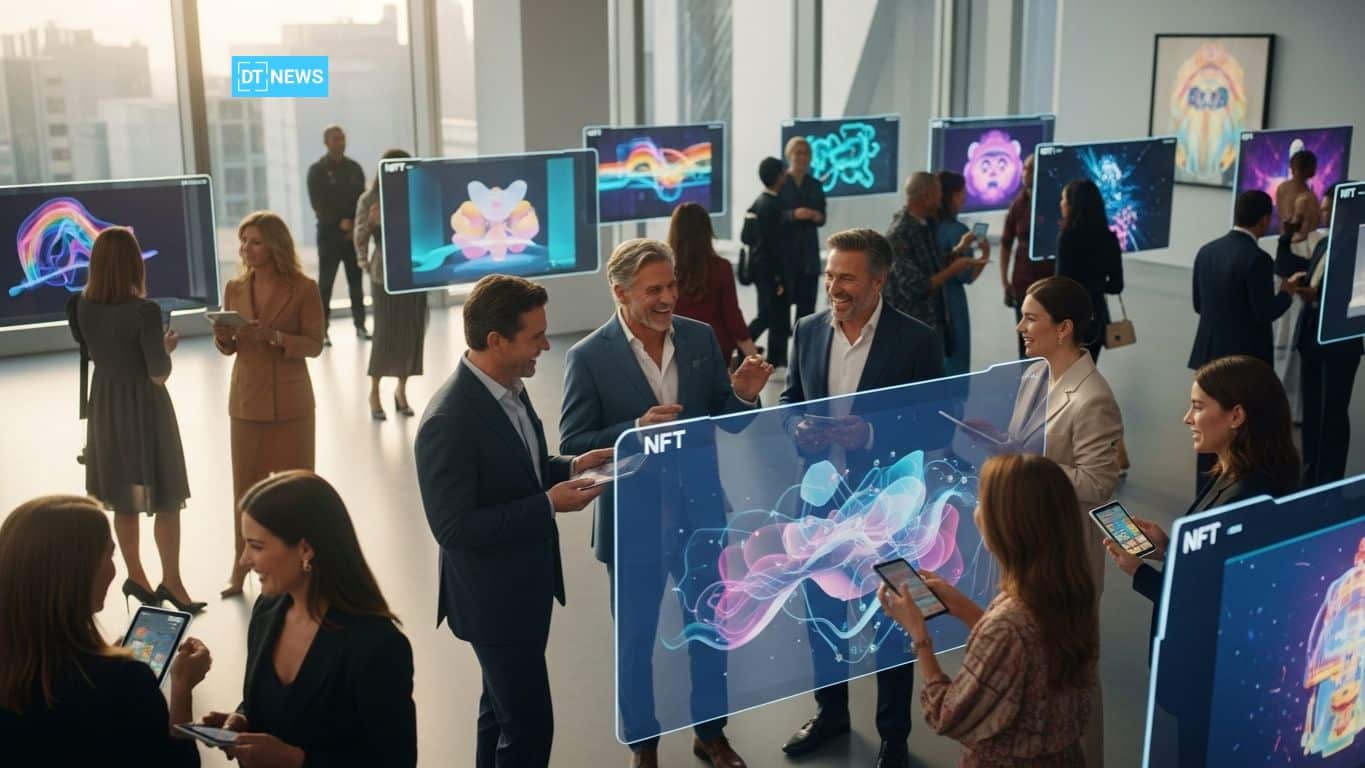
The NFT collector market remains vibrant and maturing in 2026, dominated by wealthy individuals and cultural enthusiasts rather than short-term flippers.
Despite a sharp decline from the strong peaks of 2021 and 2022, sales volumes remain meaningful and the ecosystem continues to show signs of structural resilience.
Monthly NFT sales had recently hovered around $300 million, according to market data and industry leaders, nothing compared with the record $1 billion in monthly volumes at the market’s peak.
This sustained activity is supported by a committed group of high-net individuals who buy into the value that digital assets hold, beyond just price speculation.
A Move From Speculation to Ownership
Today’s NFT collector market is nothing like the speculative frenzy witnessed in the 2021/22 cycle. While NFT valuations have declined over all, they haven’t died, said Yat Siu, co-founder of Web3 developer and investor Animoca Brands in a recent January interview which took place during the CfC St. Moritz conference.
He noted that wealthy collectors are buying NFTs for reasons beyond the short-term profit.
Siu likened this to traditional art collecting.
“Have NFTs remained popular among wealthy collectors? Yes, of course. I’m a big collector myself, and I share similar insights with my peers in this space. It’s a community,” he said, adding that buyers considered NFTs as long-term digital possessions.
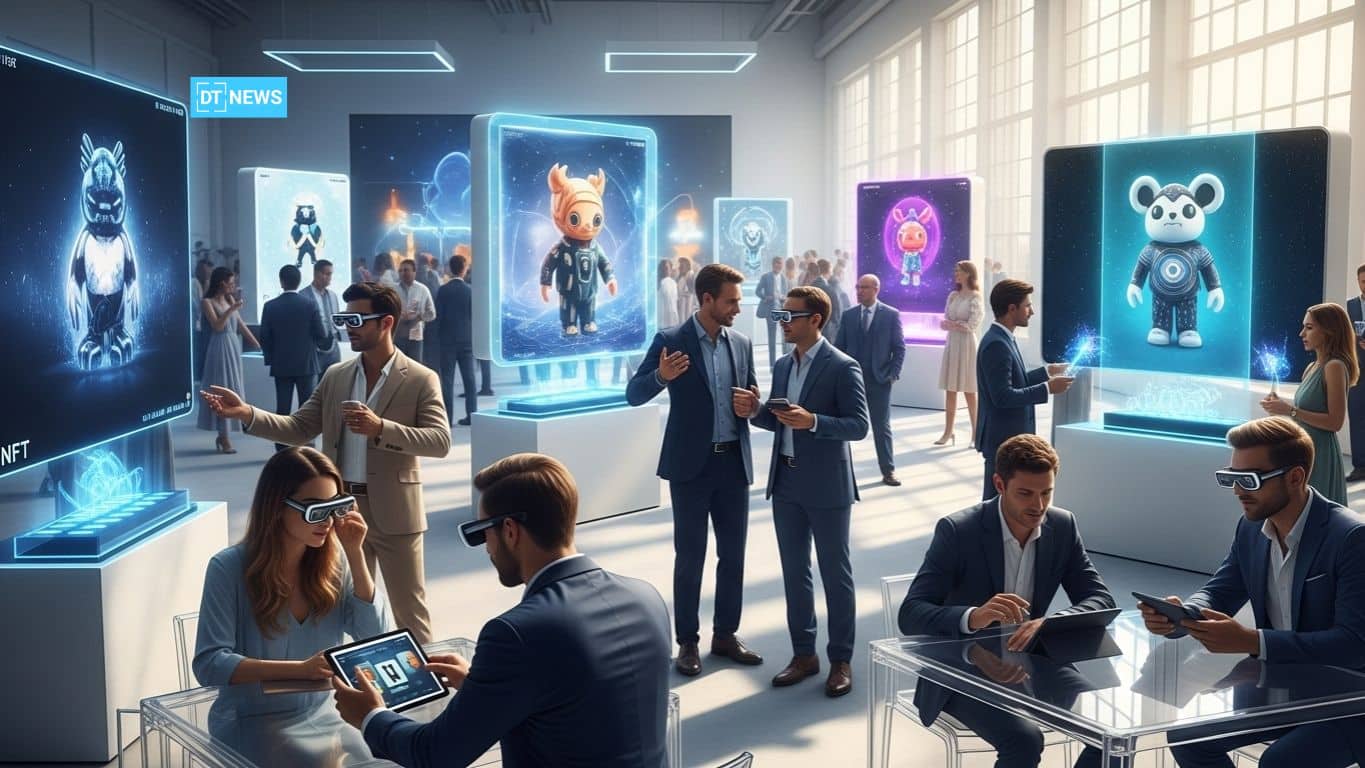
This perspective brings out an interesting cultural change. Rather than chasing quick profits, serious collectors are treating certain NFTs as art objects or luxury goods that have aesthetic and social worth.
Monthly Sales and Market Trends
Recent market data shows that NFT trading, while off its main peak, is still remarkable. The amount of capital in the global NFT market jumped roughly 20 percent over the first couple weeks of 2026, from around $2.5 billion to more than $3 billion, according to data provided by CoinGecko.
The rally involved a $300 million surge in trading volume for the day, with 24-hour volume rising 18.7 percent.
Even with that short-term surge, the larger category is down roughly 60 percent year-over-year when compared to its 2025 size, suggesting that any rebound here has been modest by previous standards.
Token sales of nearly $300 million monthly are a fraction of the 2021/22 peak, yet indicate that the NFT collector market holds valuable liquidity and activity.
Collectors Focused on Blue-Chip and High-Value Assets
In the world of NFTs, a few niches still appeal to high-rolling buyers. Expensive or “blue chip” NFTs like long-running collections and digital land still drive interest in wealthy collectors.
Billionaire investors like Adam Weitsman have made public purchases of offerings like Otherdeed lands from Yuga Labs and Bored Ape Yacht Club pieces, according to Siu.
Siu himself said his own NFT portfolio had lost about 80 percent of its value compared with earlier peak, but emphasized that he bought those tokens as long-term positions, not short-term trades. “These are long assets that matter,” he said,
Cancelled Events and Geographic Dynamics
The NFT industry has been hit with issues beyond the price of its markets, including conference cancellations such as NFT Paris.
Organizers cancelled the event just a month before it was set to launch, a decision market participants attributed to changing regulatory stances in France and increased security concerns for crypto executives.
NFTs themselves and the event infrastructure were not to blame for what Siu called a disaster, he said, but rather “an indictment of France” which he argued had “completely veered away from crypto.”
“I think it’s an indictment of France, which at one point was very pro-crypto,” Siu said. “France has completely veered away from crypto. When it comes to NFTs, things like [fantasy soccer game] Sorare was under scrutiny by gambling regulators. And we see the same anti-crypto stance in Europe more broadly.”
Still, NFT interest has continued to flourish in other parts of the world where collectors form close-knit communities or where digital asset culture is stronger, even as Europe’s regulatory attitude has become more skeptical.

Long-Term Indicators of Market Health
While the trends are down, a number of indicators point to continued core strength in the NFT collector market.
Monthly sales of around $300 million, increasing market cap and ongoing demand from wealthy individuals would attest to a differentiated base in the market, not merely one being inflated on hype or retail speculation.
Furthermore, the increasing merging of NFTs with gaming, music, and real-world asset tokenization indicates a broadening application beyond pure digital art.
These trends reinforce an NFT ecosystem in which tokens transition from being just artifacts to reusable, utility-aligned digital assets.
Conclusion
The NFT collector market in 2026 is alive and developing. Sales volumes of around $300 million per month, its steady demand is pushed by wealthy buyers who value ownership and cultural identity over short term gain.
Influential figures such as Yat Siu stress that this market isn’t actually dying, but transitioning from rampant speculation to a collector-oriented investment.
Despite issues such as the cancelation of NFT Paris and regulatory headwinds in some areas of Europe, rich collectors continue to serve as market stabilizers, backing an ecosystem that remains prominent on the overall crypto scene.
Glossary
NFT collector market: The part of NFT trading dominated by buyers who purchase digital assets for the purpose of long-term holding, not speculating short-term.
Blue-chip NFTs: the most established and widely recognized NFT collections like Bored Ape Yacht Club or CryptoPunks, often perceived as high-value or prestigious digital assets.
Market cap: The sum of the market value of all NFTs either sold or held within the ecosystem, calculated as the sum of the prices and quantities across collections.
Non-fungible tokens (NFTs): Distinct digital assets that show ownership of a particular digital or physical item on the blockchain.
Collector community: Rich or culture-engaged individuals who gather and maintain digital collectibles to have, rather than to trade.
Frequently Asked Questions About NFT Collector Market
Is the NFT market dead?
No. NFTs are not dead, according to Yat Siu of Animoca Brands and other industry leaders. The market still experiences substantial monthly sales up to $300 million, with transactions coming from rich collectors and buyers.
What drives the current NFT collector market right now?
The market is propped up by wealthy buyers who views NFTs as they would traditional art or luxury items, something to be owned, and of cultural value rather than a get-rich-quick opportunity.
How do sales now compare with last peaks?
NFT monthly sales through early 2026 are still a fraction of the all-time highs over $1 billion reached in 2021/22, but meaningful compared to earlier stages of market development.
Why was NFT Paris canceled?
Organizers pointed to changing regulatory attitudes in France and worries around the security of crypto executives, reasons that insiders said were not related to overall NFT demand.
Do NFTs remain an investible asset class?
Yes. While values have declined for many assets, the continued role of wealthy collectors and increasing total market cap suggests that interest is still active and there’s room for growth.