
This article was first published on Deythere.
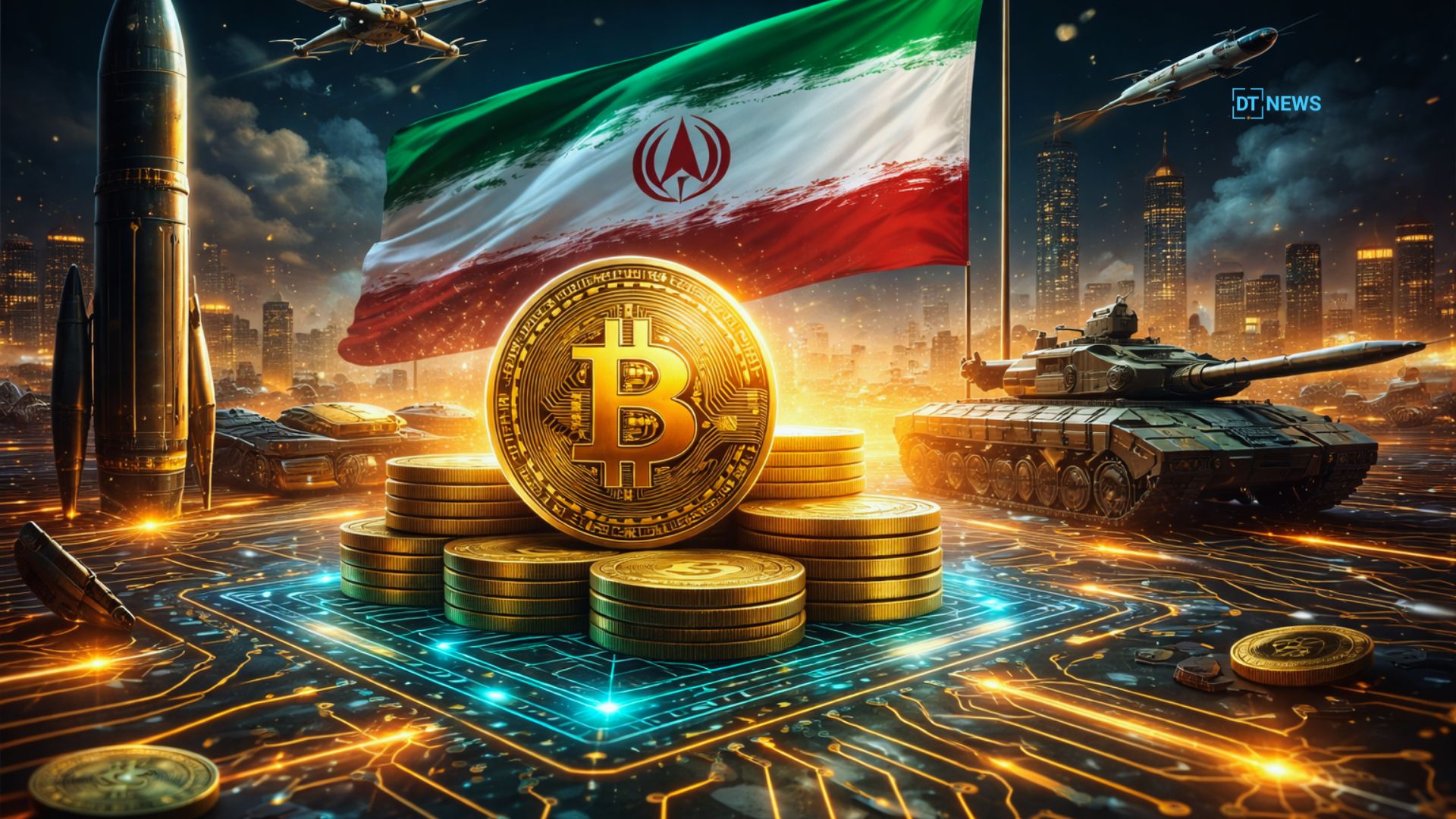
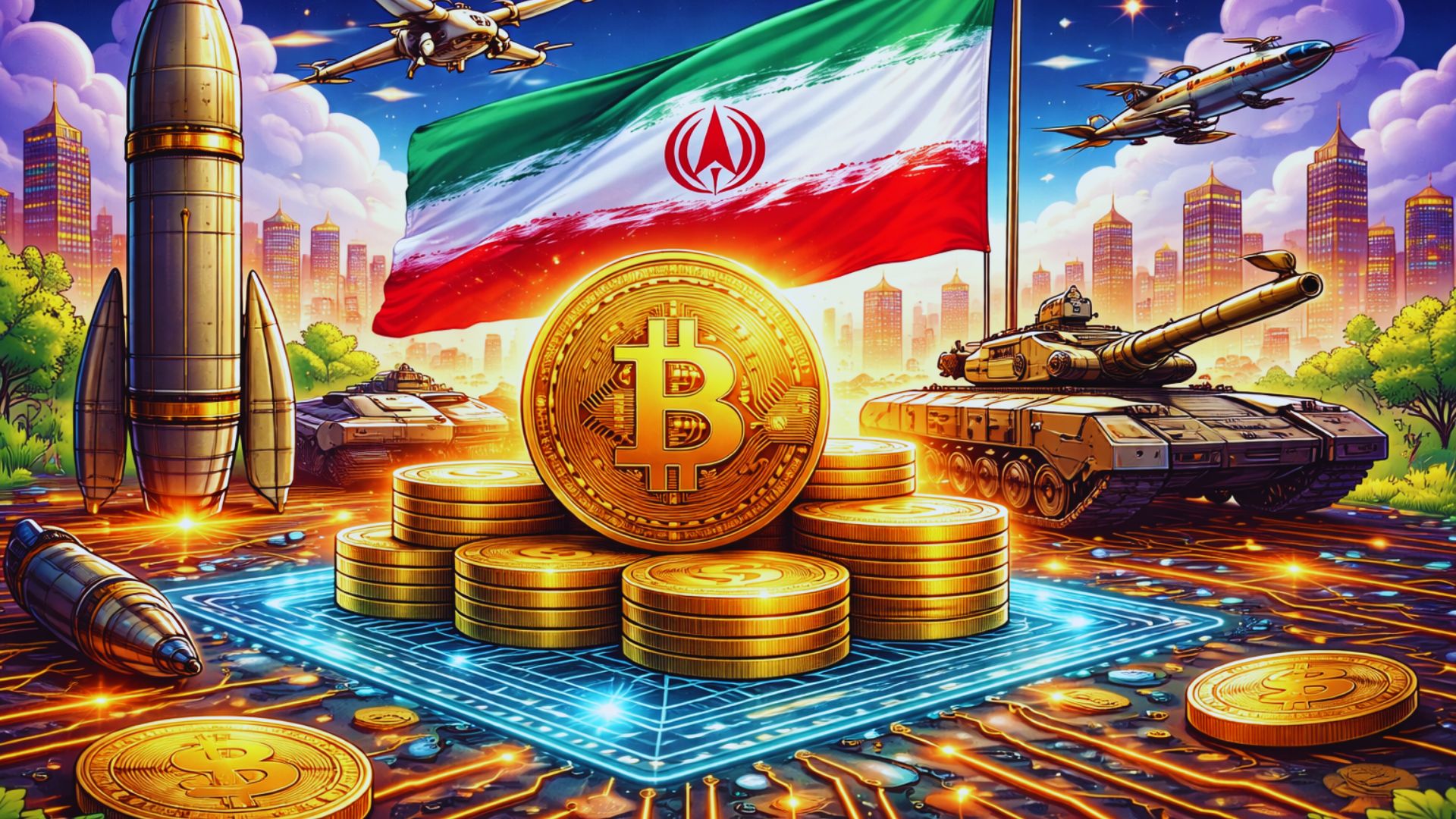
Iran crypto payments are emerging as a quiet but meaningful shift in how sanctioned states move value across borders. As global banking doors remain tightly shut, digital assets are stepping into spaces once controlled by traditional finance. This development is drawing sharp interest from financial students, blockchain developers, and geopolitical analysts alike.
The move signals more than technical flexibility. It reflects a calculated response to long-standing restrictions that block access to dollar-based systems. According to the source, Iran has spent the past year refining alternative settlement methods that allow deals to proceed even when banks refuse to cooperate.
Sanctions Pressure Forces a Financial Reroute
Sanctions work by isolating economies from trusted payment rails. For Iran, that isolation has grown deeper over time. Transactions linked to defense or strategic goods often fail before they begin. Iran crypto payments offer a workaround that reduces reliance on intermediaries vulnerable to enforcement pressure.
Studies explain that decentralized networks allow value to move without clearing through Western institutions. While this does not remove legal risk, it lowers friction. That distinction matters for states operating under tight financial scrutiny.
How Iran’s Weapons Sales Are Being Reframed
The policy applies directly to Iran’s weapons sales conducted through a state-run export body. Promotional material reviewed by investigators shows crypto payments listed alongside barter arrangements and local currency options. The offering includes drones, missile systems, naval platforms, and air defense equipment.
An export portal addresses sanctions risk directly, stating that contracts remain executable and delivery channels intact. Analysts view this transparency as unusual. It suggests confidence that buyers can navigate compliance challenges. Iran’s weapons sales are no longer framed as hidden deals but as structured transactions adapted to new realities.
Blockchain Transparency and Enforcement Limits
Digital assets are often misunderstood as invisible. In reality, most blockchain transactions leave permanent records. Enforcement agencies already monitor these networks. Past investigations linked here describe how crypto has been used to move funds outside formal banking systems, triggering targeted sanctions.
This creates a paradox. Iran’s crypto payments reduce dependence on banks while remaining traceable. Experts note that enforcement gaps usually stem from limited cross-border cooperation rather than technical blind spots.
Global Arms Market Timing Matters
The timing of this shift is notable. Global arms markets are adjusting as supply patterns change. With traditional exporters facing constraints, Iran weapons sales are filling gaps in certain regions. Crypto settlement adds flexibility for buyers navigating their own restrictions.
Domestic trends reinforce this direction. Millions of Iranian citizens already use digital assets for everyday transfers. Despite exchange security incidents, adoption continues to rise. Iran crypto payments align with a financial system already moving toward decentralized tools.
Why This Move Has Broader Implications
This is not only about Iran. When Iran weapons sales adopt crypto rails, other sanctioned states take notice. Developers study how smart contracts manage risk. Financial students analyze how value moves when trust systems fail. Analysts track whether sanctions retain leverage in a blockchain-enabled world.
Digital finance does not replace diplomacy. It reshapes pressure points. Iran crypto payments highlight how quickly financial power shifts when code replaces clearinghouses.
Conclusion
The rise of Iran crypto payments reflects adaptation under pressure rather than defiance alone. As Iran weapons sales test decentralized settlement paths, the global financial system faces a quiet challenge. The outcome may redefine how sanctions, sovereignty, and blockchain intersect in the years ahead.
Glossary of Key Terms
Cryptocurrency: A digital asset secured by cryptography and recorded on a blockchain.
Sanctions: Legal restrictions that limit trade or financial access.
Blockchain: A distributed ledger that records transactions permanently.
Arms Export: The sale of military equipment across borders.
FAQs About Iran Crypto Payments
Why is Iran using crypto payments?
Sanctions restrict banking access, making digital assets a practical alternative.
Are these transactions legal globally?
Legality depends on the jurisdiction and the sanctions framework.
Can crypto payments be tracked?
Yes. Most blockchains are publicly traceable.
Will other states follow this model?
Analysts believe sanctioned economies are closely watching.