
























Pre-launch rug pulls are becoming a serious concern for crypto investors as the digital asset market continues to expand in 2026. Many scams are now targeting presales and tokens promoted before their official launch. Losses from crypto scams in 2025 reached $14 billion, with estimates projecting up to $17 billion in total, demonstrating how fraudulent projects take advantage of investor excitement for early opportunities in new tokens.
- What are pre-launch rug pulls, and why are they increasing?
- Which warning signs should investors watch before a token launch?
- How can teams and tokenomics be verified before investing?
- What tools are available to analyze projects before launch?
- Why does community behavior reveal potential risks?
- How are scam tactics evolving with new technology?
- Conclusion
- Glossary
- Frequently Asked Questions About Pre-Launch Rug Pulls
Research from blockchain security and compliance groups also indicates that nearly $14 billion of these losses came from presale-related fraud, where projects collect funds from investors before a token becomes publicly tradable. This pattern highlights that the earliest phase of a project can carry significant financial risk for participants.
As the crypto industry grows more advanced and complex, analysts emphasize that recognizing warning signs before a token launches has become one of the most important steps investors can take to protect themselves from pre-launch rug pulls.
What are pre-launch rug pulls, and why are they increasing?
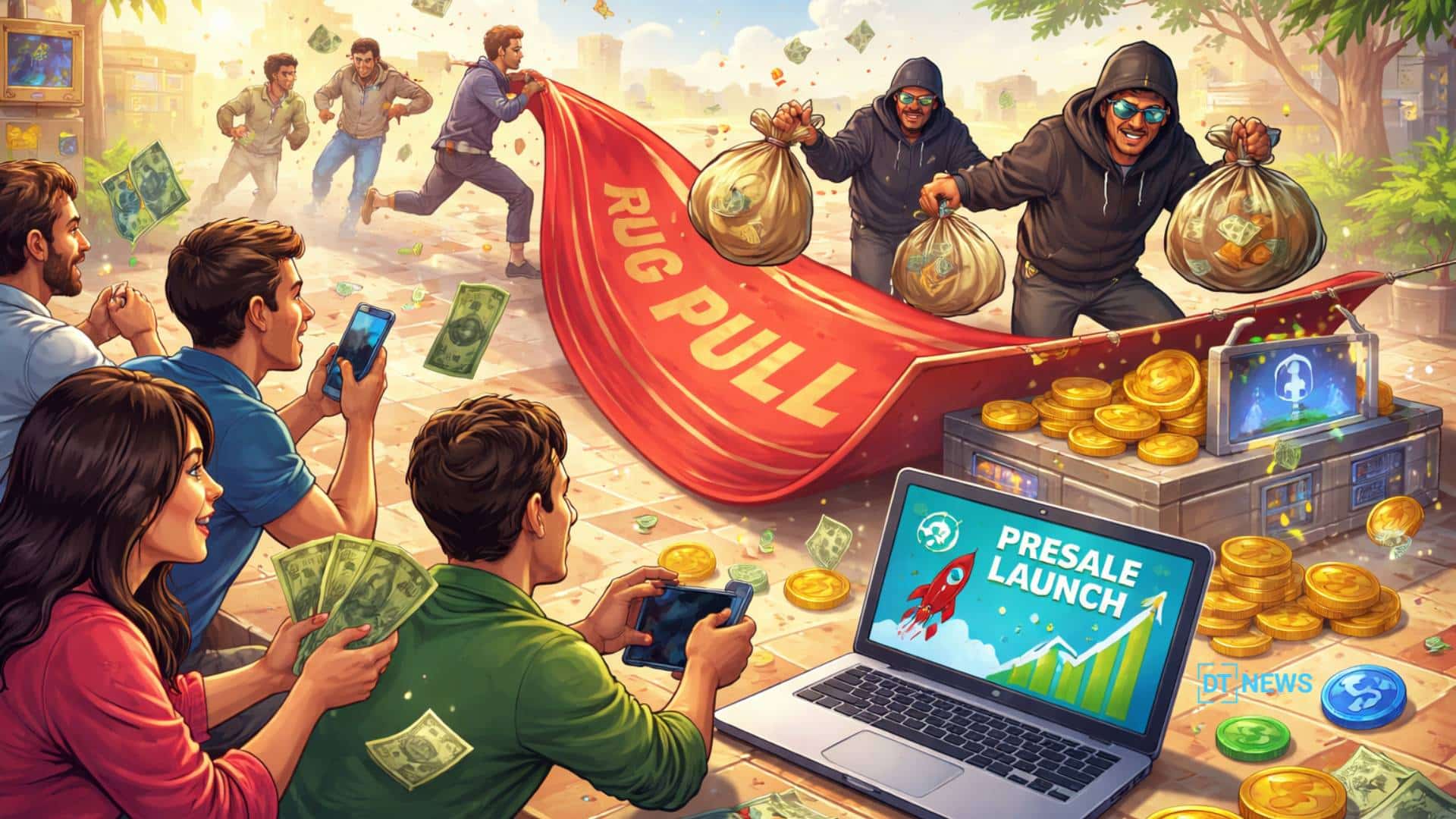
Pre-launch rug pulls are schemes where project creators launch a new token, collect funds during presales or liquidity events, and then remove liquidity or sell off insider holdings once investor money is committed. These scams often happen at the very beginning of a project, when documentation is incomplete, code verification is minimal, and investors have limited information.

Fraudsters frequently promise groundbreaking technology or unusually high returns to create hype on social media and attract quick investments. Experts monitoring the crypto space have observed that presale scams are becoming more sophisticated.
Some developers include hidden backdoors in smart contracts, like unlimited token minting or special withdrawal rights. Others use upgradeable contracts that let insiders change important rules after funds are collected. Analysts point out that the presale stage is especially risky, as many investors act quickly out of fear of missing early profit opportunities, making it an easy target for pre-launch rug pulls.
Which warning signs should investors watch before a token launch?
Market analysts note that signs of suspicious projects often appear well before any scam takes place. One of the clearest warnings is an anonymous development team. Legitimate crypto projects usually share information about their leadership, development history, and technical work through public platforms like GitHub or professional networking sites.
Scam projects, on the other hand, often hide behind fake names and unverifiable claims. Promises of unrealistic profits are another major red flag. Projects advertising extremely high returns, such as 100x gains in just a few weeks, are often trying to lure investors without a solid foundation. Liquidity claims also require careful scrutiny.
Many projects claim to have “locked liquidity” to show legitimacy, but closer inspection can reveal manipulated timestamps or fake lock certificates meant to mislead investors. Technical behavior in smart contracts can also signal a potential scam. Some malicious tokens use honeypot mechanisms, allowing investors to buy tokens but preventing them from selling, which is a common tactic in pre-launch rug pulls.
How can teams and tokenomics be verified before investing?
Experienced traders stress that verifying a project’s credentials is essential before taking part in early token sales. They recommend using blockchain explorers to check wallet activity linked to the project. For example, newly created wallets receiving large amounts of tokens right before a presale may indicate that insiders are preparing to sell quickly after launch.
Looking at token distribution can also reveal potential risks. Analysts point out that if founders or insiders hold more than 30–40% of the total token supply, the chance of sudden sell-offs rises sharply. Reviewing project documentation is equally important. Weak whitepapers, unclear technical descriptions, or copied content often suggest that little real development has been done.
Security specialists emphasize the value of independent smart contract audits. Audits conducted by trusted blockchain security firms can uncover hidden contract functions that allow developers to manipulate token supply or liquidity, helping investors avoid pre-launch rug pulls.
What tools are available to analyze projects before launch?
An increasing number of blockchain analysis tools now let investors perform technical checks before investing in new tokens. Decentralized exchange trackers, for example, can show how tokens are distributed among wallets. If a few addresses hold most of the supply, it increases the risk of large sell-offs soon after launch.
Contract scanning tools can also detect risky features, such as pause controls, minting privileges, or ownership permissions that give developers the ability to control trading activity. Experts also suggest reviewing domain registration details for project websites.
Newly created domains linked to presales can indicate short-term schemes meant to vanish after collecting funds. These technical checks have become essential as pre-launch rug pulls increasingly use more sophisticated methods, often relying on complex smart contracts rather than simple exit scams.
Investors now need to carefully study contract functions, wallet patterns, and website legitimacy before committing funds, because modern scams combine multiple tactics designed to drain investor capital quickly and disguise malicious activity, making vigilance and thorough analysis more important than ever.
Why does community behavior reveal potential risks?
Beyond technical indicators, community engagement often exposes early warning signs. Authentic crypto projects typically build discussion through organic communities across messaging platforms. Fraudulent ventures, however, often rely on artificial hype generated by bot accounts or paid promotional campaigns.
Industry observers say deleted comments, aggressive moderation, or overly promotional influencer endorsements can also signal attempts to suppress critical questions. Marketing credibility also depends on verifiable partnerships.
If a project claims collaborations with established companies but no official confirmation exists from those organizations, analysts view the claim with caution. Reports show that scammers increasingly exploit influencer culture to promote pre-launch rug pulls, leveraging social media credibility to attract early investors.
How are scam tactics evolving with new technology?
Fraud strategies in the crypto space have become much more advanced over the past year. Artificial intelligence tools have made it easier for scammers to impersonate project founders. Deepfake videos and manipulated audio have been used during online events to convince investors that legitimate teams are behind a token launch.

Other scams involve fake presale platforms that look like real launchpad services. These sites take investor funds and redirect them to attacker wallets while showing false participation data. In addition, cross-chain bridges have created new ways for scammers to move funds quickly after a rug pull, making it much harder to recover stolen assets. These trends demonstrate how pre-launch rug pulls are evolving alongside new technologies in the digital asset ecosystem.
Conclusion
Pre-launch rug pulls remain one of the most damaging threats facing the cryptocurrency market, particularly during the early fundraising stages of new projects. On-chain losses from crypto scams in 2025 reached $14 billion, with projections estimating up to $17 billion in total, security researchers emphasize that investor vigilance is essential before committing capital to new tokens.
Careful verification of teams, tokenomics, contract audits, and community activity can significantly reduce exposure to fraudulent schemes. As blockchain innovation continues accelerating, the ability to identify pre-launch rug pulls early may determine whether investors participate in genuine innovation or fall victim to increasingly sophisticated scams.
Glossary
Pre-Launch Rug Pulls: Tokens sold early, then funds are drained.
Liquidity Lock: Temporarily secured project funds to prevent withdrawals.
Honeypot Token: Buyable token you cannot sell, traps investors.
Wallet Concentration: Few wallets holding most tokens, high rug risk.
Bubble Map: Visual chart showing wallet connections and suspicious activity.
Frequently Asked Questions About Pre-Launch Rug Pulls
How can I spot a pre-launch rug pull?
You can spot them by checking the team’s identity, token distribution, locked liquidity, and smart contract details before investing.
How do smart contract audits help prevent scams?
Audits by trusted firms check the code for hidden backdoors or privileges. helping investors avoid potential rug pulls.
Why should I check wallet concentration?
If a few wallets hold most of the tokens it means insiders can sell suddenly. Which increases rug pull risk.
How does community behavior indicate risk?
Fake hype, deleted comments, and aggressive moderation can show a project is trying to hide problems or scam investors.
Can technology like AI make scams worse?
Yes, AI and deepfakes can impersonate founders or create fake presale platforms, making scams harder to detect.