


























Stablecoin regulation is quickly becoming a defining issue in global finance. Digital dollars issued by crypto companies now move massive volumes daily, raising questions about the future of banking payments. Traditional financial institutions are responding with new blockchain infrastructure designed to compete with crypto-native stablecoins.
According to the source, five U.S. regional banks recently unveiled the Cari Network, a blockchain-based settlement system built on ZKsync. The network allows instant transfers using tokenized deposits while funds remain inside insured banking accounts. This design seeks to combine the speed of blockchain with compliance under stablecoin regulation, offering banks a way to compete with digital assets like USDT and USDC.
ZKsync’s Prividium Brings Institutional Blockchain Infrastructure
The Cari Network signals a major shift in how banks handle payments. The consortium includes Huntington Bancshares, First Horizon, M&T Bank, KeyCorp, and Old National Bancorp. It runs on Prividium, a private blockchain developed by Matter Labs, the team behind ZKsync, built to support secure and compliant financial transactions.
Matter Labs CEO Alex Gluchowski noted that finance is moving from isolated databases to shared digital infrastructure. The system enables instant transfers through tokenized deposits, which represent bank-held cash on blockchain. Unlike stablecoins backed by external reserves, these deposits remain direct liabilities of the issuing bank.

Stablecoin Regulation Is Driving the Rise of Tokenized Deposits
The growing debate around stablecoin regulation is pushing banks to search for alternatives to private stablecoins. Tokens like USDT and USDC enable instant global transfers, while banks still rely on slower wire systems and limited banking hours.
Tokenized deposits offer a practical solution. They function like blockchain-based money but remain on bank balance sheets, making compliance with stablecoin regulation easier. Research in this analysis suggests that tokenized deposits can improve payment efficiency while maintaining regulatory oversight.
Another advantage is protection. Tokens issued through the network remain eligible for Federal Deposit Insurance Corporation coverage, giving them an edge over most stablecoins, which typically do not provide insured deposit protection.
Banks Race to Defend the $8 Trillion Digital Payment Market
The urgency around stablecoin regulation becomes clearer when looking at the scale of the opportunity. Analysts estimate stablecoins are targeting a global payment market worth nearly $8 trillion. These digital dollars already process volumes comparable to major card networks, attracting traders, institutions, and cross-border payment platforms with their instant settlement.
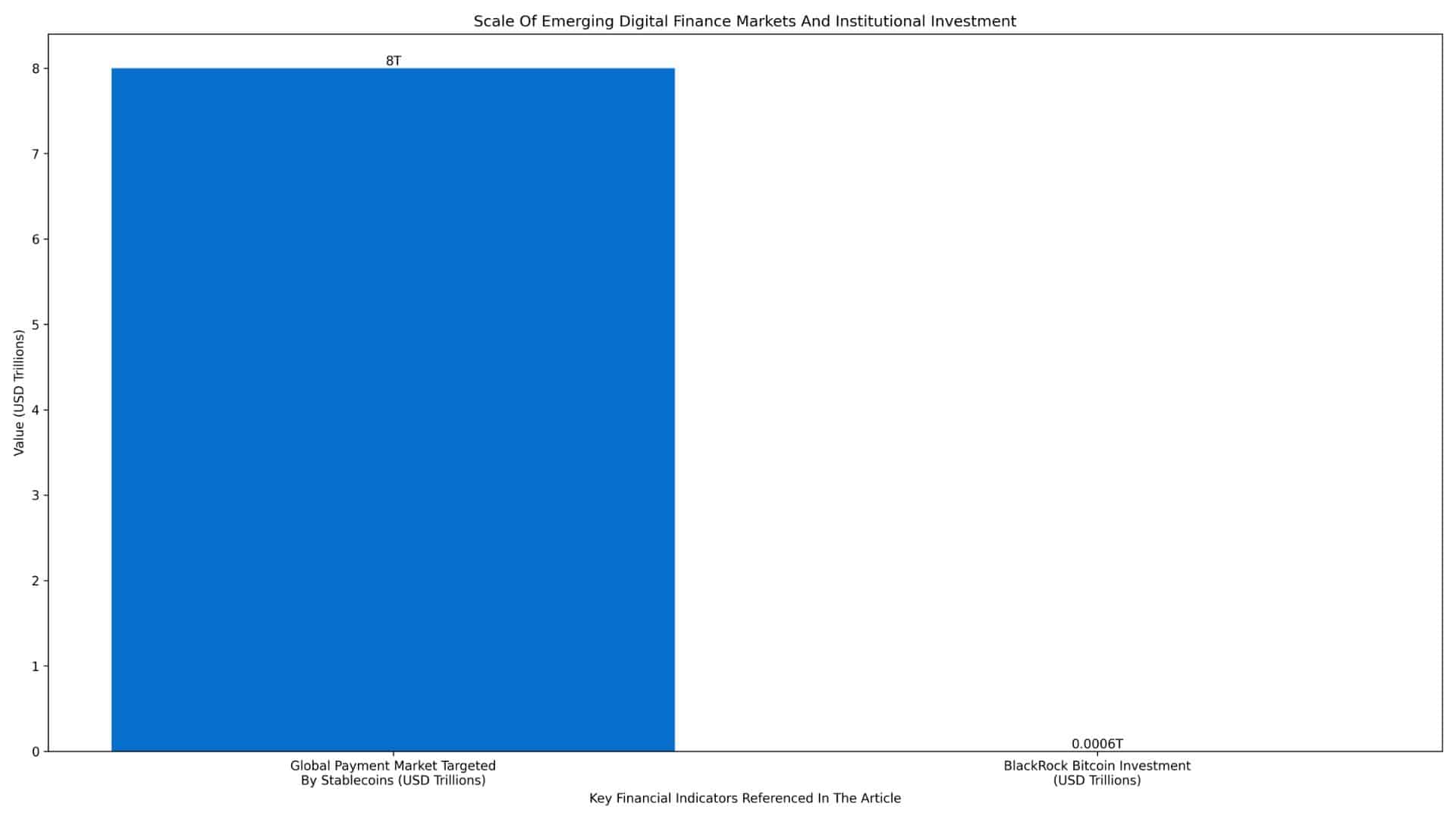
Regional banks worry that losing this settlement layer could reduce them to passive liquidity holders. At the same time, institutional interest keeps growing. For instance, BlackRock recently invested nearly $600 million in Bitcoin, signaling rising confidence in blockchain finance. Meanwhile, networks like Solana dominate high-speed stablecoin transfers, pushing banks to build infrastructure that can match crypto speed while staying compliant with stablecoin regulation.
Conclusion
The future of the Cari Network largely depends on how stablecoin regulation develops in the coming years. Banks are moving quickly because regulatory clarity is still uncertain. Industry leaders warn that the proposed CLARITY Act may struggle to pass in 2026, pushing banks to build solutions that already fit within existing financial rules.
Two outcomes remain possible. In a bullish case, regional banks could unite liquidity while companies adopt tokenized deposits for faster and safer payments. In a bearish case, the network may stay limited, while traders continue relying on global stablecoins.
Either way, one thing is clear. Banks are no longer standing on the sidelines. They are actively building blockchain systems to compete in the era of stablecoin regulation.
Glossary of Key Terms
Stablecoin Regulation: Rules created by governments to supervise stablecoin issuers, reserves, and consumer protection in digital currency markets.
Tokenized Deposits: Digital representations of bank deposits issued on blockchain networks while remaining liabilities of the issuing bank.
ZKsync: A Layer-2 blockchain scaling solution that uses zero-knowledge proofs to process transactions faster and more efficiently.
Prividium: A permissioned blockchain infrastructure developed by Matter Labs for regulated institutional finance.
Settlement Layer: The system where financial transactions are finalized and ownership of funds officially changes.
FAQs About Stablecoin Regulation
What is the Cari Network?
The Cari Network is a blockchain payment rail built by regional banks to process instant transactions using tokenized deposits.
Why are banks competing with stablecoins?
Stablecoins enable instant global payments, which threatens traditional banking settlement systems.
What advantage do tokenized deposits have over stablecoins?
Tokenized deposits remain bank liabilities and may qualify for FDIC insurance protection.
When will the Cari Network launch?
The consortium of regional banks aims to launch the network in the third quarter of 2026.