


























This article was first published on Deythere.
Fed rate hikes have returned to the center of financial debate as policymakers weigh the next move in a fragile economic recovery. Markets sense caution rather than comfort, and investors across stocks, bonds, and crypto now watch inflation data with renewed urgency.
According to the source, minutes from the most recent policy meeting reveal that several officials remain open to tightening if US inflation stays above the long-standing two percent goal. No immediate action was taken, yet the discussion confirms that future Fed rate hikes remain possible if price pressure refuses to fade.
A Watchful Federal Reserve Keeps Options Open
Officials noted that US inflation has eased from the sharp peaks seen earlier, bringing a measure of relief to families and businesses trying to manage everyday costs. Even so, price pressures have not disappeared. Some parts of the economy still show stubborn increases, keeping Fed rate hikes firmly in the policy conversation. The overall message from the minutes feels careful and restrained, more watchful than celebratory.
Looking back at past inflation cycles through official policy records, one pattern appears again and again. Prices rarely fall quickly after a surge. Instead, the decline tends to move slowly, sometimes unevenly. Because of this history, policymakers want steady and convincing proof before relaxing financial pressure. That caution helps explain why Fed rate hikes remain a real possibility, even without any immediate move.
These signals carry weight far beyond meeting rooms in Washington. Expectations alone can shape borrowing costs, lending behavior, and investment decisions across the economy. Financial conditions often tighten quietly, well before any formal policy shift takes place. The result is a subtle but meaningful influence on growth, spending, and market confidence.
Market Ripples Spread From Policy Signals
Even the hint of Fed rate hikes can echo through global markets. When interest rates rise, bond yields usually climb as investors look for stronger and safer returns. Stock markets often feel pressure at the same time because higher rates reduce the present value of future profits. The US dollar also tends to strengthen in this environment, which can weigh on commodities and create added strain for emerging markets.
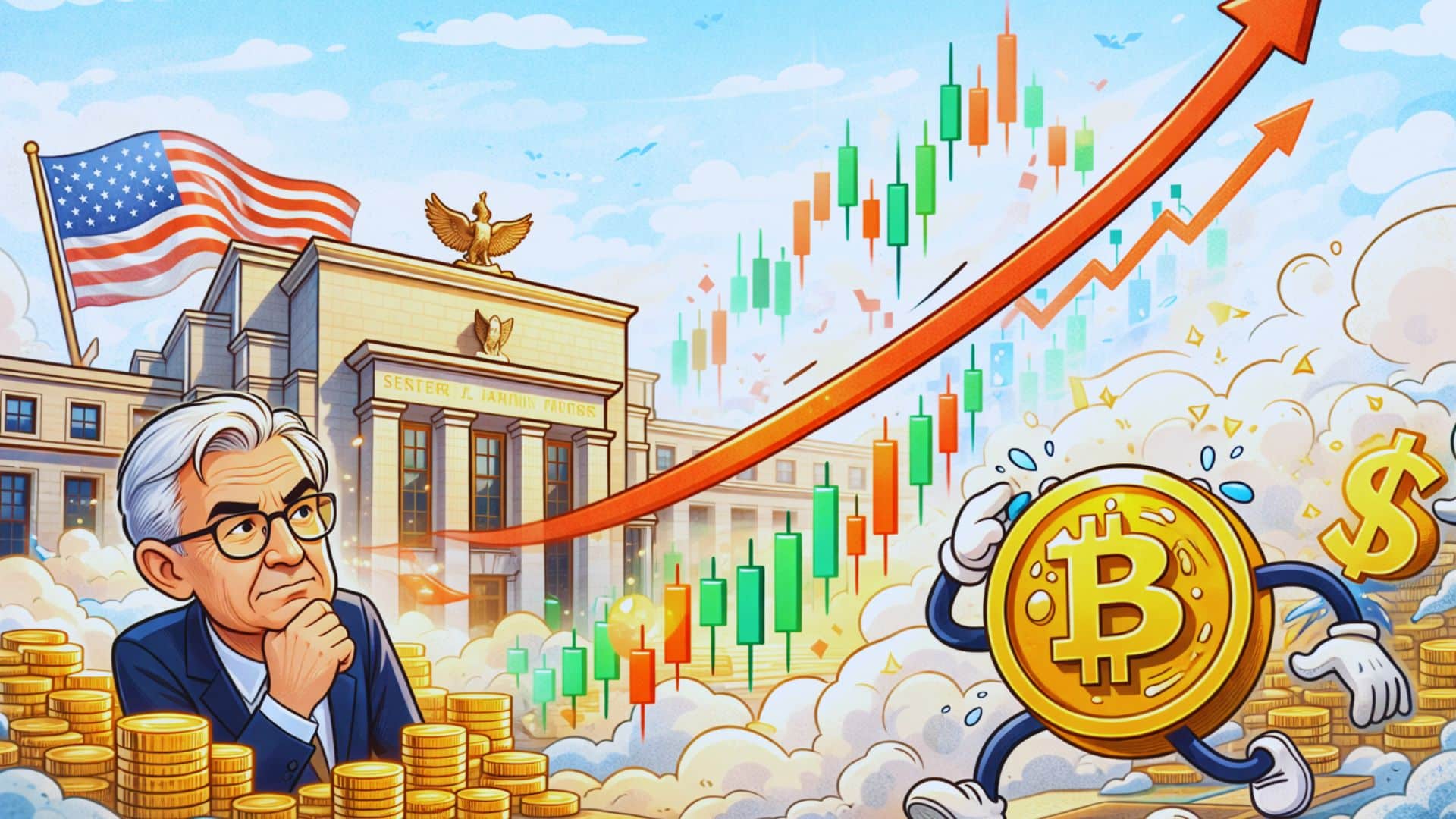
Wider financial research continues to show how tighter policy drains liquidity from the most risk-sensitive corners of the market. Crypto tends to react quickly to that change. As money becomes more expensive to access, investors grow cautious, risk appetite cools, and price swings become more pronounced.
This pattern helps explain why traders respond so quickly to even subtle signals of Fed rate hikes. Bitcoin and leading altcoins often move in step with changing liquidity expectations. For builders, long-term holders, and market analysts alike, tracking US inflation has become just as essential as following traditional economic indicators.
Data Will Shape the Next Decision
Future Fed rate hikes will depend heavily on the next wave of economic data. Policymakers are watching job growth, wages, consumer spending, and above all US inflation. If price pressures continue to ease, patience may hold. If inflation shows new strength, action could return quickly.
Many economists caution that delaying too long can create a tougher problem later. Stronger tightening may then become unavoidable. Because of this risk, the central bank keeps Fed rate hikes within reach as a safeguard against lasting inflation, not as a fixed plan. This careful balance is meant to protect policy credibility while avoiding unnecessary harm to growth.
For participants in the crypto space, the takeaway feels clear and practical. Liquidity cycles still shape funding access, development pace, and market momentum. Every meaningful shift in US inflation therefore carries influence that extends well beyond traditional finance.
Conclusion
Fresh focus on Fed rate hikes is a reminder that the fight against inflation is still unfolding. Greater stability could emerge if US inflation continues to move lower, yet real confidence will require consistent proof over time.
Investors who look past daily noise and study the data itself may be better prepared for what comes next. The direction of future policy will not only guide global markets but may also shape the next chapter of digital asset growth.
Glossary of Key Terms
Federal Reserve: The US central bank responsible for monetary policy and interest rate decisions.
Inflation: The pace at which overall prices for goods and services rise over time.
Liquidity: The availability of money flowing through financial systems and markets.
Bond Yield: The return earned by investors who hold government or corporate debt.
FAQs About Fed Rate Hikes
What could trigger Fed rate hikes again?
Persistent inflation, strong employment data, and steady consumer spending could push policymakers toward renewed tightening.
Why do crypto markets react to Fed policy?
Higher interest rates reduce liquidity and investor risk appetite, which often pressures digital asset prices.
Is US inflation still declining?
Recent data shows moderation, but some sectors continue to experience firm price growth.
When will the next decision become clear?
Upcoming inflation and labor reports will likely determine whether policy tightening returns.