


This article was first published on Deythere.
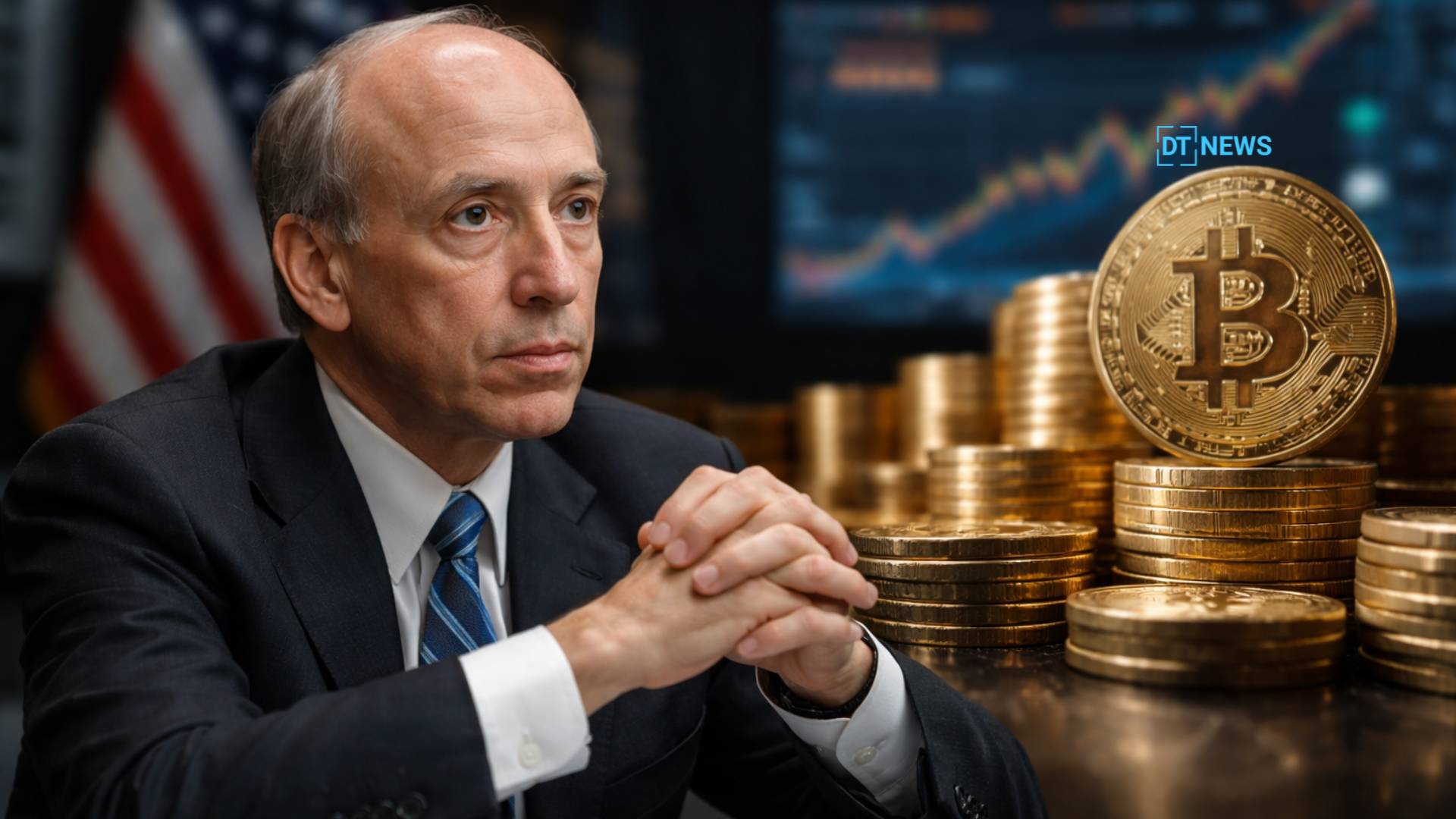
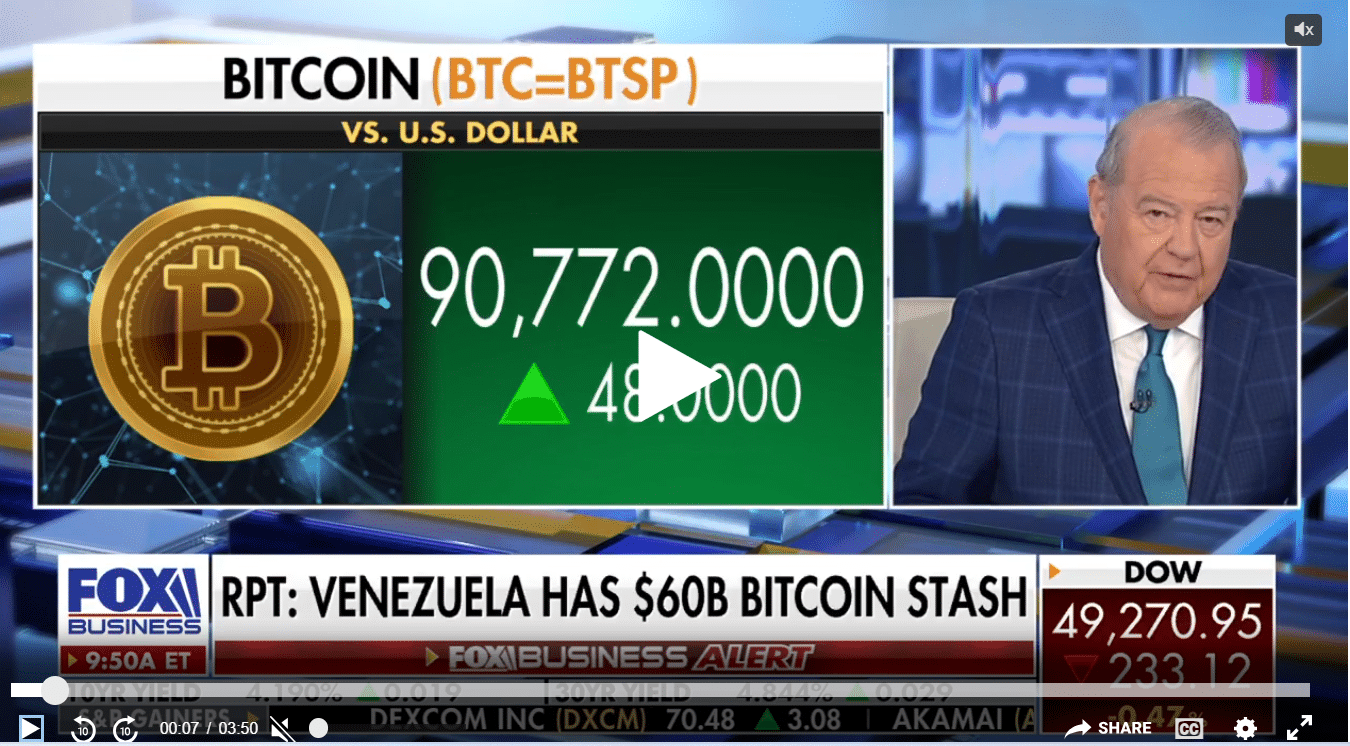
When a regulator uses a phrase as noncommittal as “remains to be seen,” markets tend to hear two things at once: a brush-off and an open door. That is exactly what happened after SEC Chair Paul Atkins addressed a swirling claim that Venezuela may be sitting on a Bitcoin trove worth roughly $60 billion. In a televised segment, Atkins did not validate the figure, did not deny it either, and signaled that any action would sit outside the SEC’s direct remit.
The comment landed in the middle of an already heated narrative cycle, with traders and analysts trying to separate a dramatic headline number from what the blockchain can actually confirm.
A rumor gets a spotlight, not a stamp of approval
The core claim traces back to an investigative newsletter that framed the alleged stash as a sanctions-era back channel, potentially controlled through intermediaries and hidden custody arrangements rather than a neat, publicly attributable government wallet. The authors themselves describe the allegation as sourced from human intelligence and not confirmed through blockchain analysis, which is an important caveat often lost once the number hits social media.
Atkins’ on-air posture did not change that evidentiary gap. If anything, it highlighted it: even with the topic on cable business television, the most concrete public takeaway remained uncertainty.
The data problem: “official” holdings look far smaller
Against that $60 billion claim, one widely followed public tracker currently lists Venezuela’s government holdings at 240 BTC, with the site noting the holdings date back to late 2022.
That difference is not a rounding error. It is the difference between a manageable sovereign position and a supply shock headline that could reshape how traders talk about custody, geopolitics, and potential forced sales. The reality is that a truly massive reserve would likely be structured to avoid easy attribution, but the burden of proof remains the same: credible wallet evidence, credible transaction trails, or credible legal documentation that stands up in court.
What would count as proof in 2026
In crypto, the story is only as strong as its verifiability. For a claim of this scale, analysts typically look for a blend of indicators: large wallet clusters with consistent behavior, identifiable funding patterns, movements that line up with known counterparties, and corroboration from multiple independent monitoring teams. Absent that, a narrative can still move price in the short term, but it tends to fade the moment the tape gets bored.
This is why the phrase “on-chain proof” matters. It is the dividing line between speculation and something institutions can underwrite.
Seizure talk runs into legal and operational friction
Even if a large stash exists, “seizing” Bitcoin is not the same as freezing funds in a traditional bank. It usually requires either custody access, key material, or enforcement leverage over intermediaries. Any real attempt to bring assets under U.S. control would also need a legal pathway, and that inevitably pulls prosecutors, courts, and cross-border politics into the frame.
That broader Venezuela backdrop has turned unusually intense in early January, with Reuters reporting a U.S. operation that captured Nicolás Maduro and moved him into U.S. custody, a development that has added fuel to every follow-on money trail theory.
Why Venezuela stays central to the crypto conversation anyway
Even without a mega-hoard, Venezuela is not a random country for a Bitcoin rumor to stick to. On-chain adoption across Latin America has grown sharply, and Chainalysis estimated Venezuela at $44.6 billion in regional transaction volume in the most recent yearly window it analyzed.
At the same time, compliance risk has become a louder theme across the industry. Chainalysis also reported that illicit inflows tied to sanctioned entities surged in 2025, driven by a 694% increase in value received by sanctioned entities, a reminder of why regulators and enforcement agencies treat sanctions exposure as more than a footnote.
Conclusion
Right now, the only confirmed public anchor is modest: 240 BTC attributed to Venezuela by a major public tracker, versus a far larger claim that remains unverified on-chain. The SEC Chair’s comment did not authenticate the rumor, but it did keep the question alive, which is sometimes all a market needs to keep watching wallets, headlines, and court dockets.
Frequently Asked Questions
Did the SEC Chair confirm Venezuela has $60B in Bitcoin?
No. He discussed the report publicly and said the situation “remains to be seen,” without validating the claim.
What does public data currently show for Venezuela’s Bitcoin holdings?
A major public tracker lists Venezuela’s government holdings at 240 BTC, with the holdings history starting in late 2022.
Why is on-chain proof so hard for a claim like 600,000 BTC?
Because attribution requires strong evidence: wallet clustering, transaction trails, and corroboration. A stash built to avoid detection would likely use complex custody practices, but large-scale holdings still tend to leave behavioral footprints over time.
Why do sanctions keep coming up in this story?
Because sanctions risk is one of the clearest regulatory pressure points in crypto. Chainalysis reported a 694% jump in value received by sanctioned entities in 2025, showing why enforcement narratives can quickly attach to cross-border crypto claims.
Glossary of key terms
On-chain proof: Evidence visible on a public blockchain, such as wallet balances, transaction histories, and traceable flows between addresses.
Wallet attribution: The process of linking blockchain addresses to a real-world entity using behavioral patterns, known service addresses, or external corroboration.
Cold storage: Offline custody for private keys, often used to reduce hacking risk, but also used when owners want to minimize traceable operational activity.
Sanctions exposure: The risk that funds, counterparties, or flows are connected to sanctioned entities or jurisdictions, creating legal and compliance liabilities.
Supply shock: A sudden change in available circulating supply, such as coins becoming locked up, seized, or unexpectedly sold, that can affect price dynamics.
Volatility: The pace and magnitude of price swings, often amplified in crypto when narratives move faster than verification.
Reference