

The Clarity Act is no longer just another policy proposal. It now sits at the heart of a race to secure the future of US crypto regulation before momentum slips overseas. The urgency feels real, and the stakes feel even higher.
According to the source, Scott Bessent warned in a recent opinion piece that without swift action, the United States could lose its edge as crypto firms move toward Abu Dhabi and Singapore. He stressed that “economic security equals national security,” framing the Clarity Act as more than a financial reform.
A Narrow Window to Save US Crypto Regulation
The Clarity Act is already running out of time, and lawmakers are aware of its urgency. Notably, Bessent pointed out that “Senate floor time is scarce,” calling for action by Congress ahead of delays exacerbating uncertainty in US crypto regulation.
For years, overlapping enforcement by regulators engendered confusion. Such an “enforcement-first approach” boxed developers in. Where once many firms flooded abroad, now they seek stability, not by choice but by necessity. The Clarity Act tries to undo this trend before it is irreversible.
Industry watchers say that delay might cost the United States its leadership role. Once an innovation goes away, it seldom comes back as fast.
How the Clarity Act Rebuilds US Crypto Regulation
Coming from lawmakers of the founding party, the Clarity Act creates a determined presentation to remedy long-standing holes in US crypto policy. It splits oversight responsibility between the SEC and CFTC, bringing an end to years of clashing interpretations. It also lays out when a digital asset is considered to be a security, providing companies with clearer rules to comply with. Such clarity mitigates legal risks and increases certainty for investors and developers.
Another important element provides formal registration pathways. These enable platforms to function legally rather than indecision. The Clarity Act also protects software developers, stating that innovation won’t be held to unreasonable legal pressure.
Analysts routinely say that clear regulation encourages growth. In this instance, the confusion between compliance and innovation could be bridged by a Clarity Act (or similar legislation).
From Genius Act to “American Rails” Vision
The Clarity Act builds on the earlier Genius Act, signed by Donald Trump. That law created a federal framework for stablecoins and helped anchor digital payments to the U.S. dollar.
Now, the Clarity Act expands that foundation. It supports a broader system where blockchain innovation grows under clear rules. Bessent emphasized that future systems must run “on American rails,” meaning infrastructure backed by U.S. institutions and currency.
This idea reflects a larger goal. It aims to keep financial power tied to the dollar while shaping the next phase of global finance through US crypto regulation.
Market Growth Meets Policy Reality
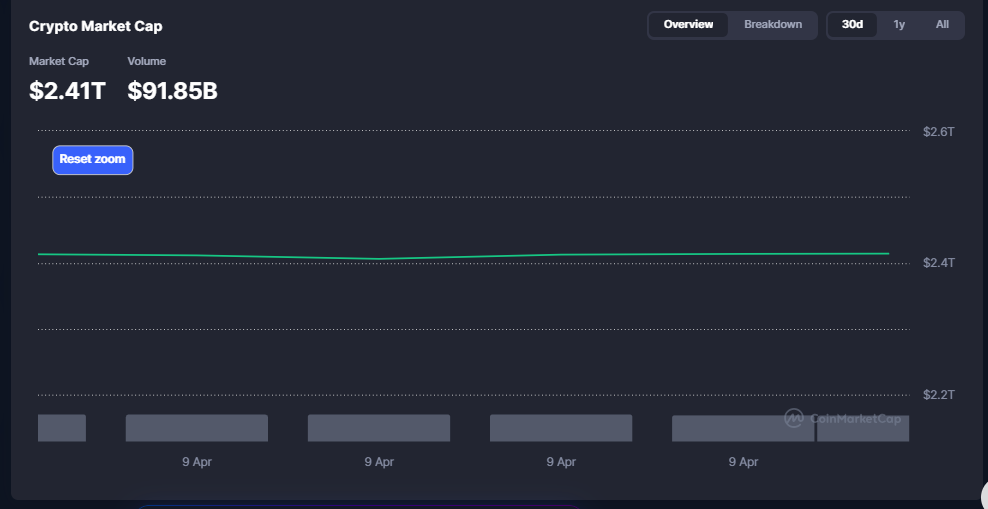
The crypto market continues to grow, with global capitalization ranging between $2 trillion and $3 trillion, based on latest market data. Around one in six Americans now hold digital assets, showing strong adoption.
Yet policy uncertainty still clouds progress. Developers building decentralized finance tools and tokenized assets often face unclear rules. As a result, many shift operations abroad, where regulations feel more predictable.
The Clarity Act aims to bridge this gap. It aligns innovation with US crypto regulation, ensuring growth happens domestically instead of overseas. Analysts suggest that clear frameworks could attract institutional capital and stabilize markets over time.
Conclusion
The Clarity Act stands at a defining moment for US crypto regulation. It is not just about rules. It is about where the future of finance will take shape. Bessent’s warning carries weight. Without action, innovation may continue drifting toward global hubs. With the Clarity Act, the United States has a chance to reclaim direction and rebuild trust.
The decision now lies with Congress. Whether it acts or delays may decide not only market leadership but also the long-term role of the United States in digital finance.
Glossary of Key Terms
Clarity Act: Proposed U.S. legislation to define crypto market structure and regulatory roles.
US crypto regulation: Legal framework governing digital assets in the United States.
SEC: Agency overseeing securities markets and investor protection.
CFTC: Regulator responsible for commodities and derivatives markets.
Stablecoins: Digital currencies tied to stable assets like the U.S. dollar.
FAQs
What is the Clarity Act?
The Clarity Act is a proposed law to bring clear rules to crypto markets in the United States.
Why is US crypto regulation important?
It protects investors, supports innovation, and ensures market stability.
How does the Clarity Act help developers?
It reduces legal risks and allows developers to build without fear of unclear regulations.
What happens if the Clarity Act is not passed?
Crypto firms may continue moving abroad, weakening U.S. leadership in digital finance.