


























Crypto has spent years chasing speed, scale, and speculation, but the market now looks more interested in something older and steadier: yield. That shift is why tokenized Treasuries are getting fresh attention. They sit at the intersection of blockchain efficiency and traditional fixed-income logic, which makes them easier for institutions to understand and harder for serious investors to ignore.
Recent market data shows tokenized funds climbing to about $31.9 billion, while tokenized U.S. Treasury exposure has moved past $12.6 billion, a sign that real-world assets are no longer a side narrative in digital finance.
Why tokenized Treasuries are becoming a market signal
The appeal is not hard to see. Crypto investors have lived through enough boom and bust cycles to know that idle capital carries a cost, especially when volatility jumps and risk appetite fades. In that environment, tokenized Treasuries offer something the market has wanted for a long time: yield linked to government debt, with on-chain settlement and broader composability.
That mix gives them practical value beyond hype as they can serve as collateral, treasury management tools, or a place to park capital without stepping fully out of digital markets. The more uncertain the macro backdrop becomes, the more useful that proposition looks.

Yield funds are changing the tokenization story
The bigger development is that tokenization is no longer defined by static dollar-pegged assets alone. Data shows yield-oriented products are now leading growth in tokenized funds, with names such as sUSDS at $6.1 billion, sUSDe at $3.5 billion, USYC at $2.7 billion, and BUIDL at $2.4 billion. That matters because it shows capital is moving toward productive on-chain assets instead of simple cash proxies. In plain terms, users no longer want digital dollars that just sit there. They want blockchain-based instruments that work a little harder.
The indicators that matter most
Several crypto indicators help explain why this trend deserves attention as the first is market share growth outside the biggest stablecoin issuers. Over the last 30 days, smaller tokenization players expanded faster than the dominant names, which suggests demand is broadening rather than staying concentrated. The second is fund composition.
When yield-bearing products begin to outgrow passive holdings, it usually signals a maturing market structure. The third is collateral utility. Assets tied to Treasuries are more likely to attract conservative capital because they carry a familiar risk profile. That is often how adoption deepens, not through noise, but through usability.
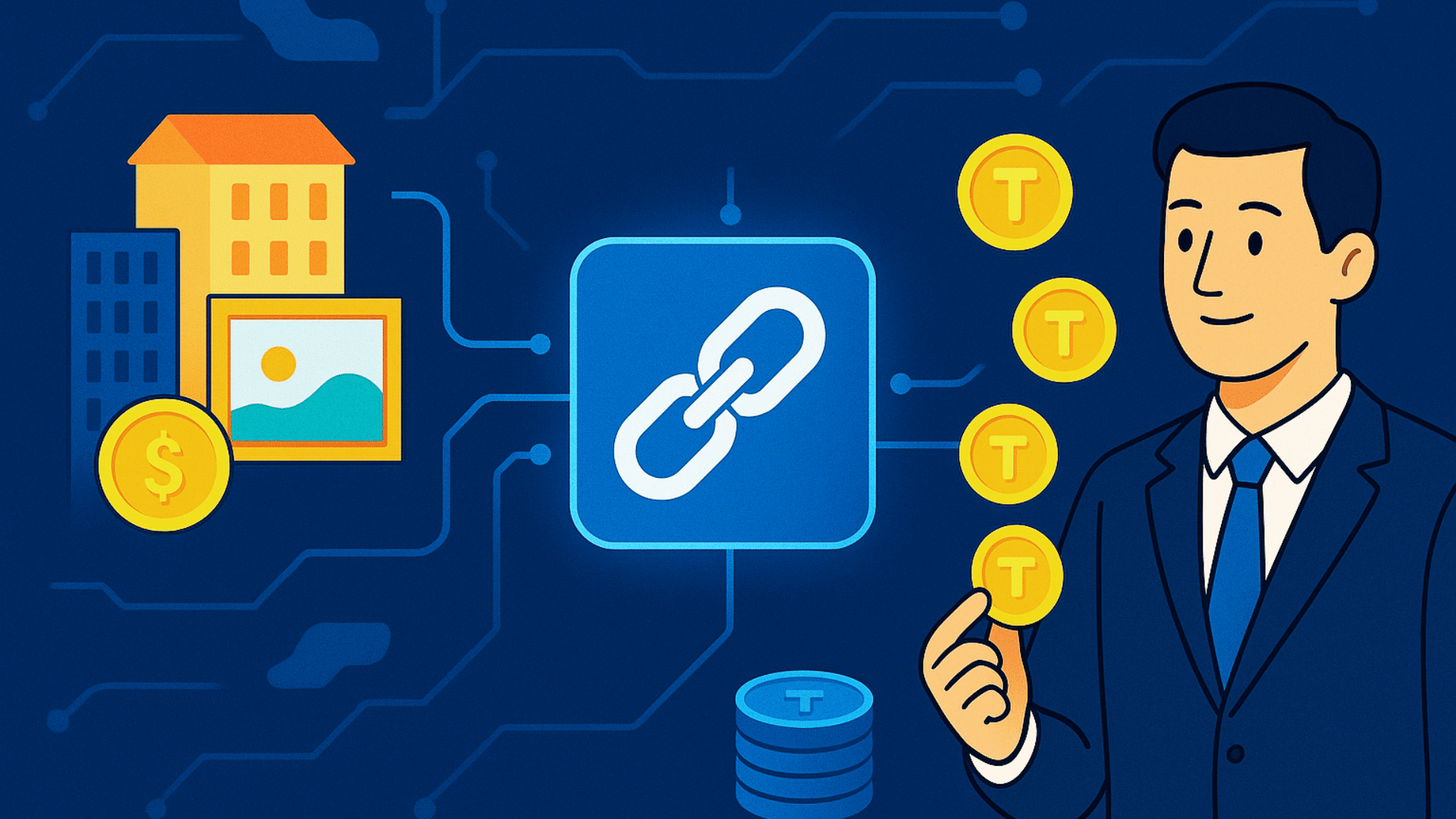
Wall Street is edging closer on-chain
Another clue came when a major Treasury index was tokenized on Canton Network in late March. It was not an investable fund, but it still mattered because it showed legacy financial infrastructure is starting to move into programmable environments.
That kind of step does not usually grab retail traders the way a meme coin rally does, yet it says more about where the market may be heading. When benchmark products and debt exposure start becoming blockchain-native, the industry moves closer to a financial plumbing story rather than a pure trading story.
What tokenized Treasuries mean for crypto from here
This is where tokenized Treasuries become more than a niche category. They point to a version of crypto that is less obsessed with short-term price fireworks and more focused on capital efficiency, income, and trust. That does not mean volatility is going away.
It means the market is building new layers under it. For investors, the signal is simple: the next phase of blockchain adoption may be driven not by louder assets, but by more useful ones. Right now, tokenized Treasuries look like one of the clearest examples of that shift.
Finally, Crypto still moves fast, but parts of it are finally growing up. The rise of tokenized Treasuries shows that investors want yield, stability, and real financial use cases on-chain. That is not flashy, but it is meaningful. And sometimes that is exactly where the durable story begins.
FAQs
What are tokenized Treasuries?
They are blockchain-based tokens backed by U.S. government debt or Treasury-focused products, giving investors on-chain exposure to traditional fixed-income assets.
Why are tokenized Treasuries growing now?
They offer yield, stronger collateral quality, and easier integration into digital asset markets at a time when investors are looking for safer and more productive capital deployment.
Do tokenized Treasuries replace stablecoins?
Not fully. Stablecoins still serve as digital cash, while tokenized Treasury products are increasingly being used for yield and treasury management.
Glossary of Key Terms
Tokenization: Turning a real-world asset into a blockchain-based digital token.
Real-world assets: Traditional assets such as bonds, credit, or funds represented on-chain.
Yield: The return earned on an asset over time.
Collateral: An asset posted to secure borrowing, trading, or settlement activity.
On-chain settlement: Completing transactions directly on blockchain infrastructure.
Sources