
























This article was first published on Deythere.
Crypto transfers look clean on screen, but they happen in a rush between messages and market alerts. That reality is why address poisoning losses tied to an address poisoning scam have drawn attention.
Analysts tracking wallet-draining patterns point to more than $62 million lost since December, including a January case where a sender moved 4,556 ETH, about $12.25 million at the time, to a lookalike destination after copying from transaction history.
Address poisoning scam in crypto and the habit it exploits
An address poisoning scam starts with a lookalike. Attackers generate a new address that resembles one the target has used before, often by matching the opening and closing characters. Then they send a tiny transfer so the fake address lands in recent activity. Later, the victim copies the wrong entry and sends real funds to the attacker.
The address poisoning scam is unsettling because it usually does not require malware or a broken protocol. It targets attention and interface habits.
Why the volume is rising again
Automation makes resemblance cheap, and falling fees make spamming economical. Researchers have linked bursts of micro-transactions to periods when Ethereum fees drop, because flooding histories with dust transfers becomes affordable at scale. Scams remain a dominant drain on users, with one recent industry estimate putting 2025 scam and fraud proceeds around $17 billion.
The onchain indicators that signal poisoning activity
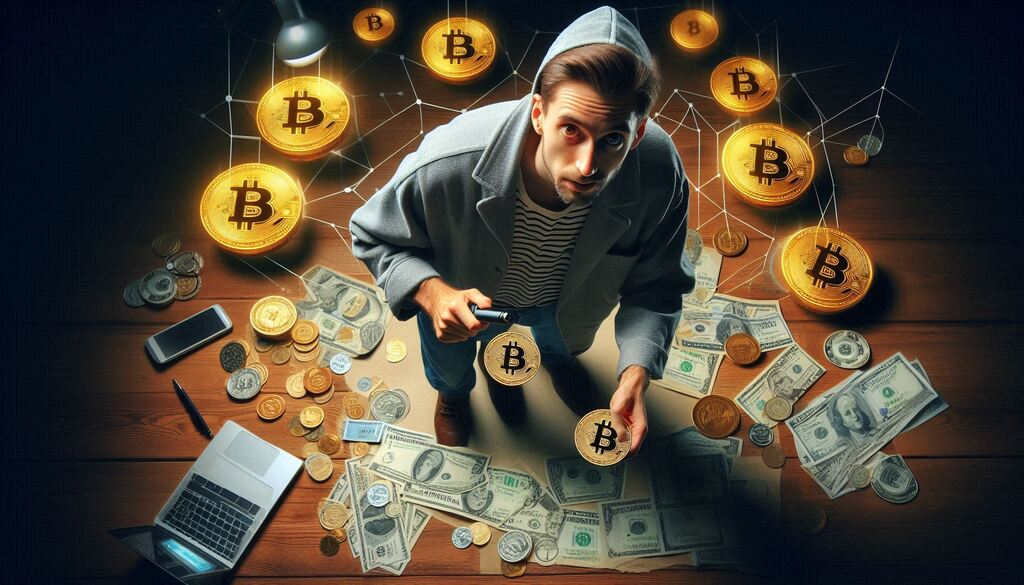
The chain leaves clues even when victims stay anonymous. Analysts watch for jumps in daily transactions dominated by near-zero amounts, clusters of tiny transfers hitting many wallets, and activity surges that do not match organic user growth. When those patterns coincide with lower fees, the economics favor high-volume attempts, and the address poisoning scam becomes a numbers game. Research describing lookalike generation shows why checking only a few characters is unreliable under time pressure.
What reduces risk in real life
Wallet safety guidance is consistent: do not copy recipient addresses from transaction history, and do not validate only the first and last characters. High-value senders add friction on purpose, using address books, allowlists, QR codes, and test sends before moving the full amount. The goal is simple: remove the moment where an address poisoning scam can hijack a routine workflow. Product teams can help by warning users when a new address closely resembles a known one, and by hiding obvious dust entries by default.
Conclusion
The story behind the recent $62 million lost, is not a clever exploit in crypto. It is a predictable failure point: people copy, paste, and trust a familiar-looking string at the wrong moment. As long as that behavior stays common, the address poisoning scam will keep returning, especially when fees make mass dusting cheap. The safest edge is reliable: verify the full address, rely on trusted address books, and treat every transfer like final settlement.
FAQs about $62M Lost
What is an address poisoning scam?
It is a tactic where attackers plant a lookalike address in a wallet history using tiny transfers, hoping the victim copies it later.
Does it mean the wallet was hacked?
Not necessarily. Many cases are mis-sends caused by confusing history entries.
Can funds be recovered after a wrong send?
Usually not, unless the recipient voluntarily returns them.
What is the safest way to send large amounts?
Use an allowlist, verify the full string, and test with a small transfer first.
Glossary of key terms
Address poisoning scam: A social-engineering method that seeds a lookalike address into transaction history to trigger a mis-send.
Dust transaction: A tiny transfer used to spam histories or track wallet activity.
Vanity address: An address generated to match specific characters.
Transaction history: The wallet record of recent inbound and outbound transfers.
Disclaimer: This article is for informational purposes only and does not constitute financial, investment, or legal advice. Digital asset transactions involve risk, and readers should conduct independent research.
Sources